Corrosion-resistant stainless steel clean room doors for wash-down, pharmaceutical, food and hygiene-sensitive environments with configurable glazing and access hardware.
CategoryClean Room Systems / ProductResponse24h online serviceExport80+ countries and regions
900-1800 mm wide x 2100 mm high; custom sizes available
Leaf material
304 stainless steel; other grades subject to environment review
Leaf thickness
Typically 40-50 mm
Core material
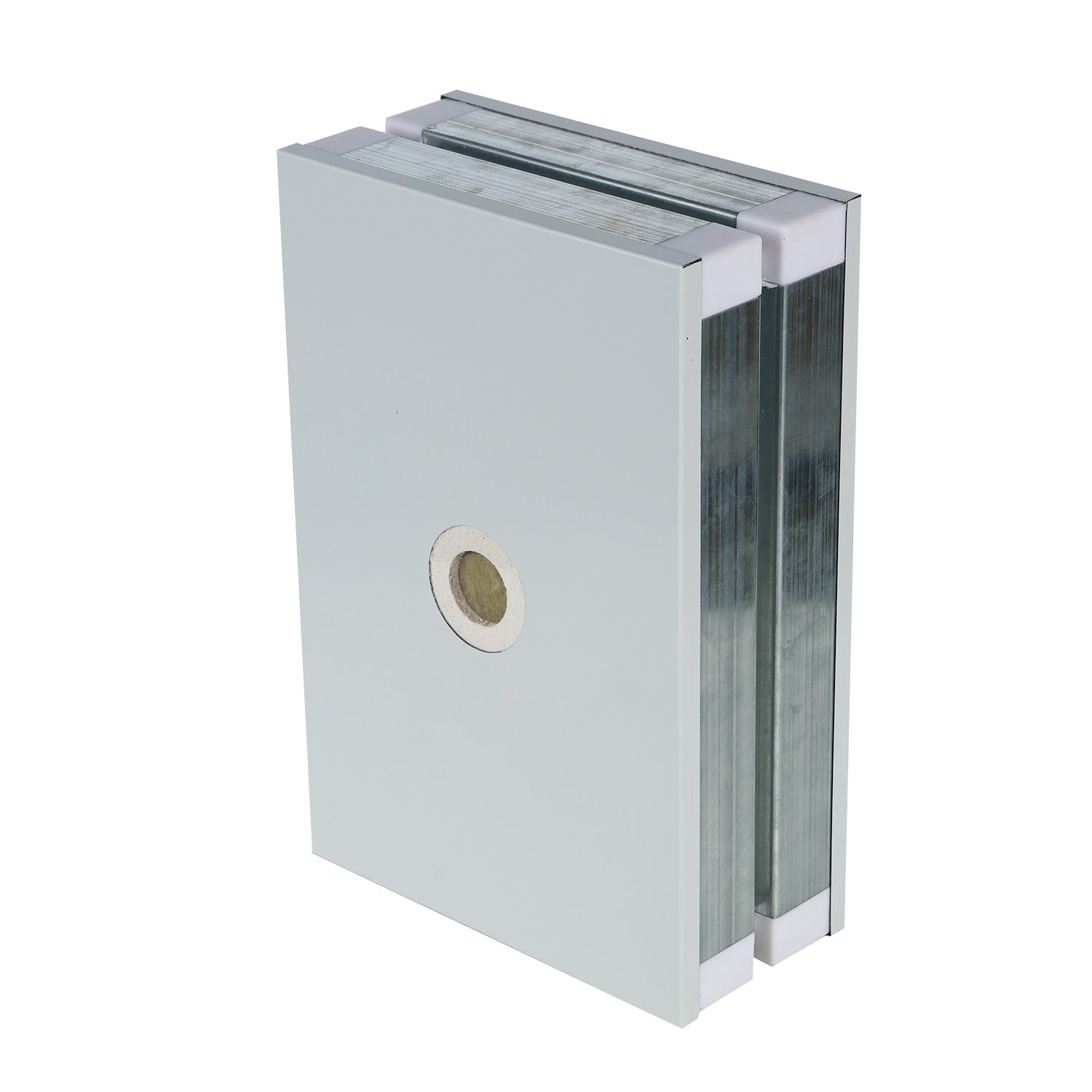
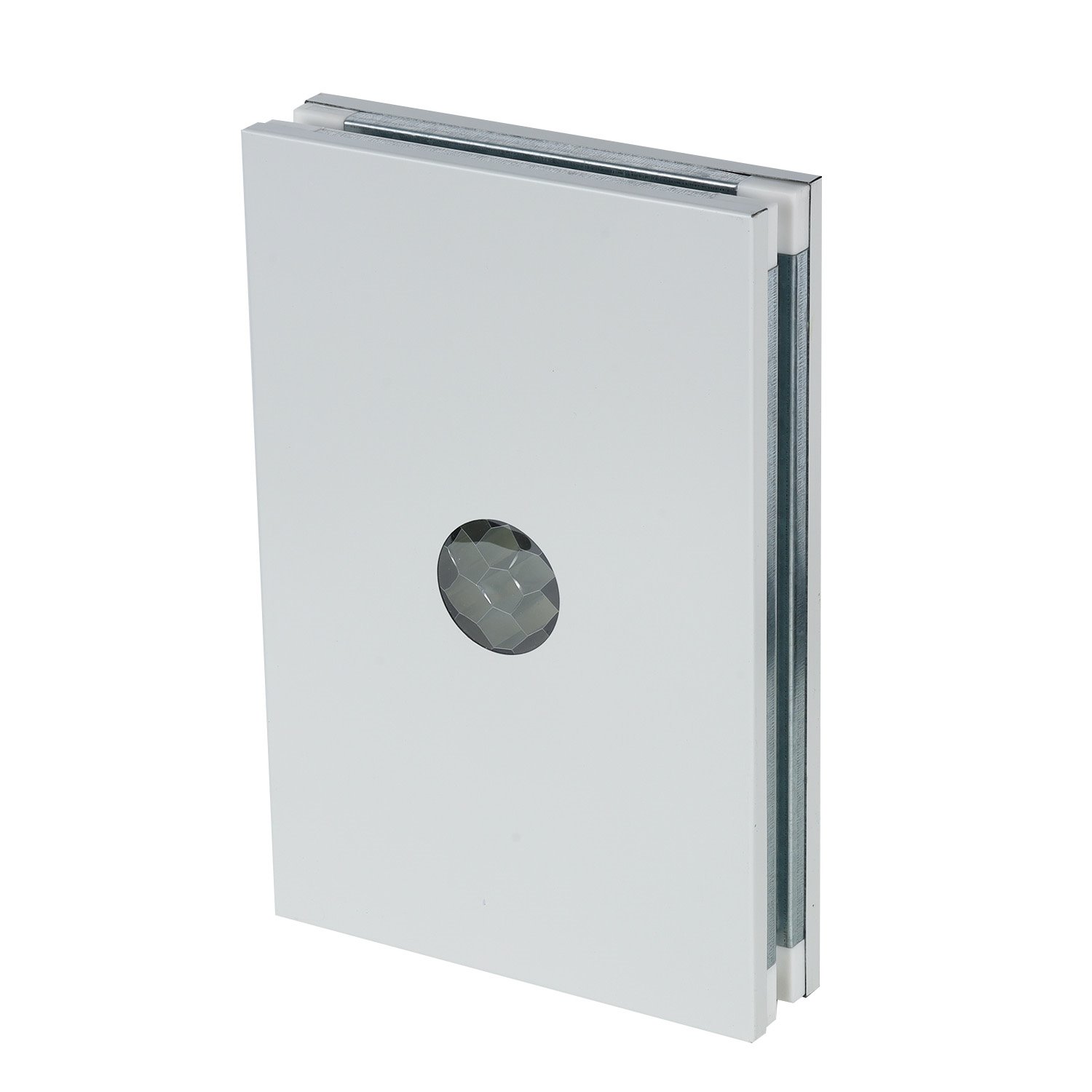
Aluminum honeycomb or flame-retardant paper honeycomb
Surface finish
Brushed, matte or project-specific stainless finish
View window
Flush double tempered glass
Seal system
Perimeter gasket and optional automatic bottom seal
Hardware
Stainless hinges, handles, closer and access-control preparation
Use conditions
Wet cleaning, corrosive exposure or high hygiene demand
Stainless steel clean room doors are specified where frequent cleaning, moisture or chemical exposure makes a coated-steel leaf less suitable. The smooth metal surface has no paint film to chip, and a brushed finish helps maintain a consistent appearance under regular wiping.
The door still needs compatible gaskets, hardware and sealants. Stainless steel alone does not make an opening airtight, so frame installation and commissioning remain part of the cleanroom performance plan.
A stainless or metal-faced cleanroom door option supports demanding washdown and hygiene areas.
Material selection for demanding hygiene zones
Grade 304 stainless steel is common for pharmaceutical, food and laboratory interiors. Where chloride exposure or stronger chemicals are present, the buyer should provide the cleaning specification so an alternative grade can be evaluated. Surface direction and finish should remain consistent across leaf and frame.
Flush glazing can be incorporated for safe visibility. Rounded window corners and sealed glass edges reduce cleaning interruptions, while a lower protection plate may be added for trolley routes.
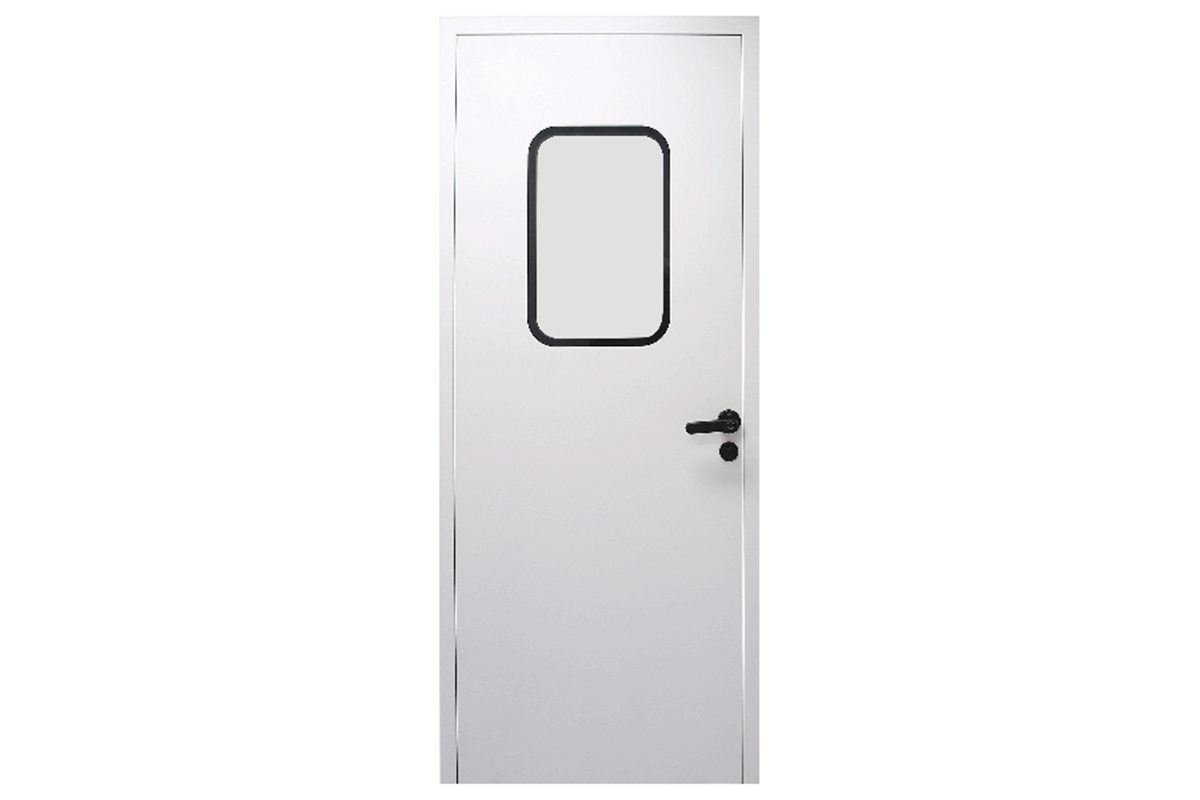
The single-leaf arrangement can include a vision panel, sealed frame and project hardware.
Access, sealing and maintenance
Door closers and locks are selected according to traffic frequency and pressure direction. An interlocked pair requires electrical coordination and an agreed emergency-release philosophy. For wash-down areas, cable entry and hardware recesses need additional attention.
Routine maintenance includes checking hinge fasteners, gasket compression, latch alignment and closer speed. Replacing a worn gasket early is more effective than compensating with excessive closer force.
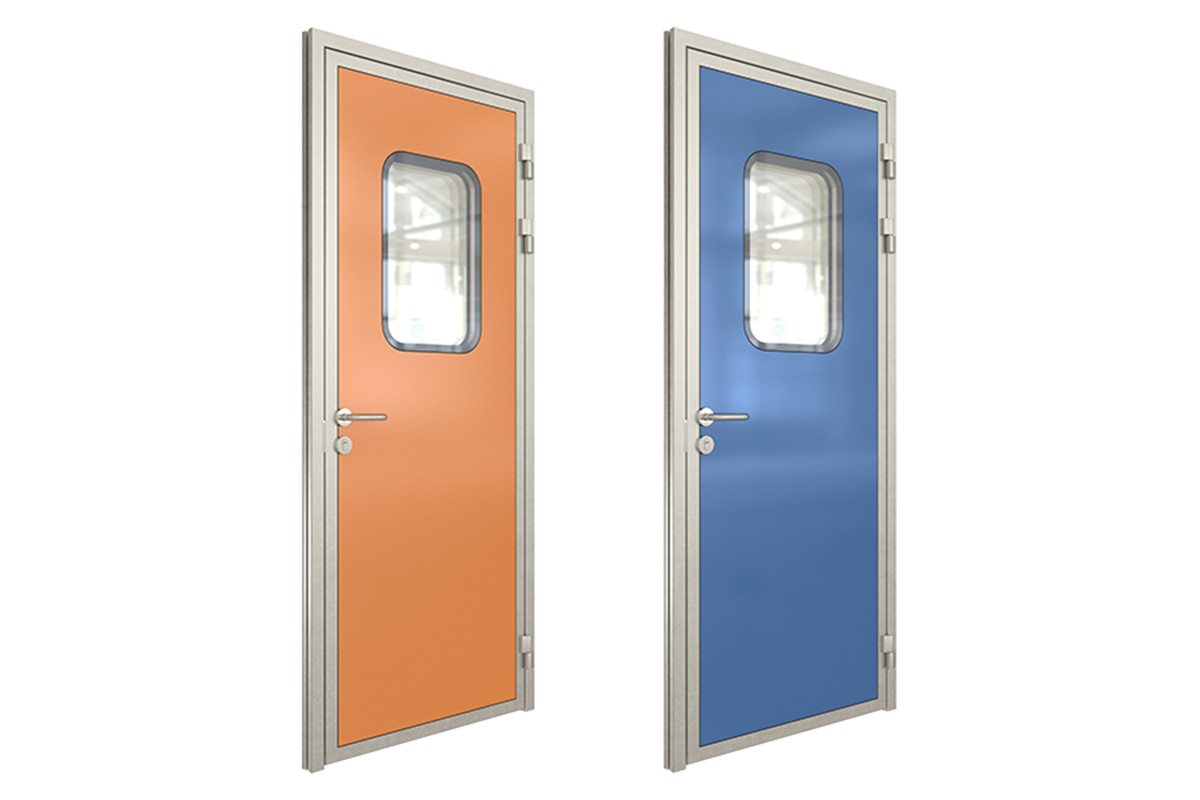
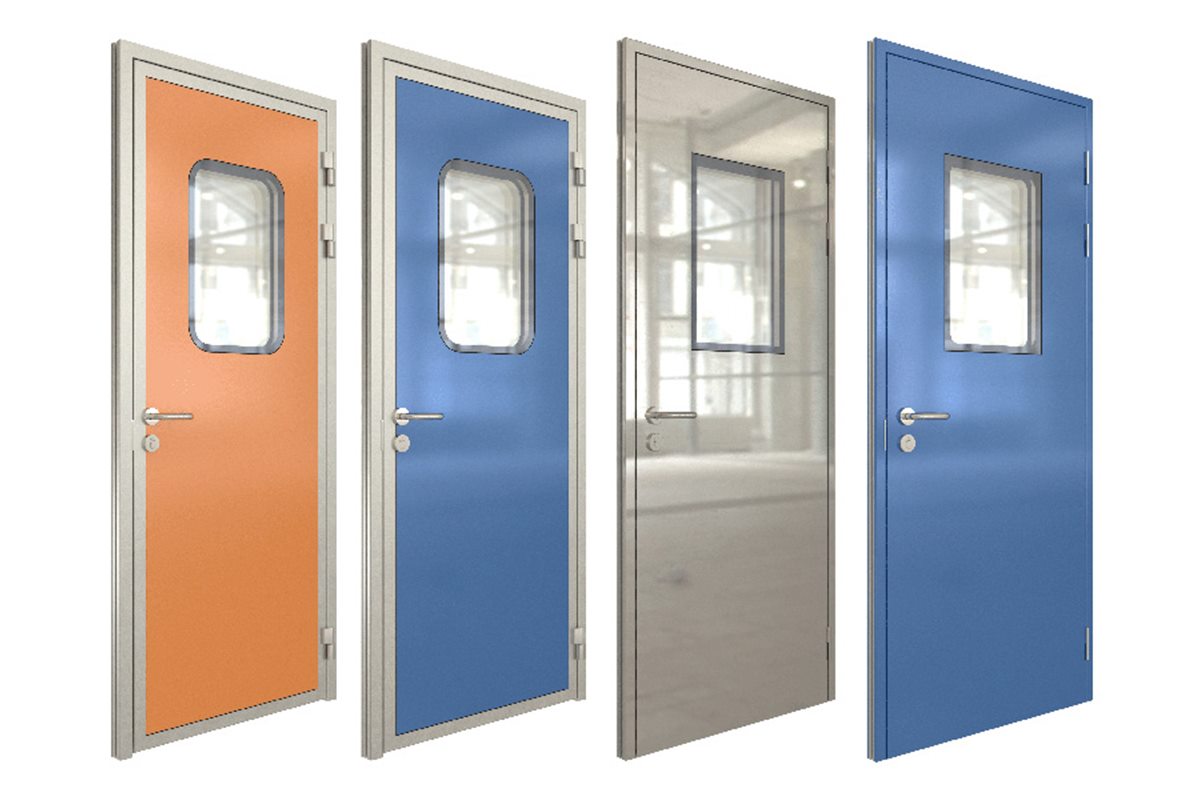
Door configurations can be coordinated by finish, opening direction, vision panel and access requirement.
Recommended environments
Stainless doors are used in sterile processing, food preparation, clean utility rooms, animal laboratories, wash areas and corrosive support spaces. They can be supplied as part of a coordinated stainless and coated-panel enclosure.
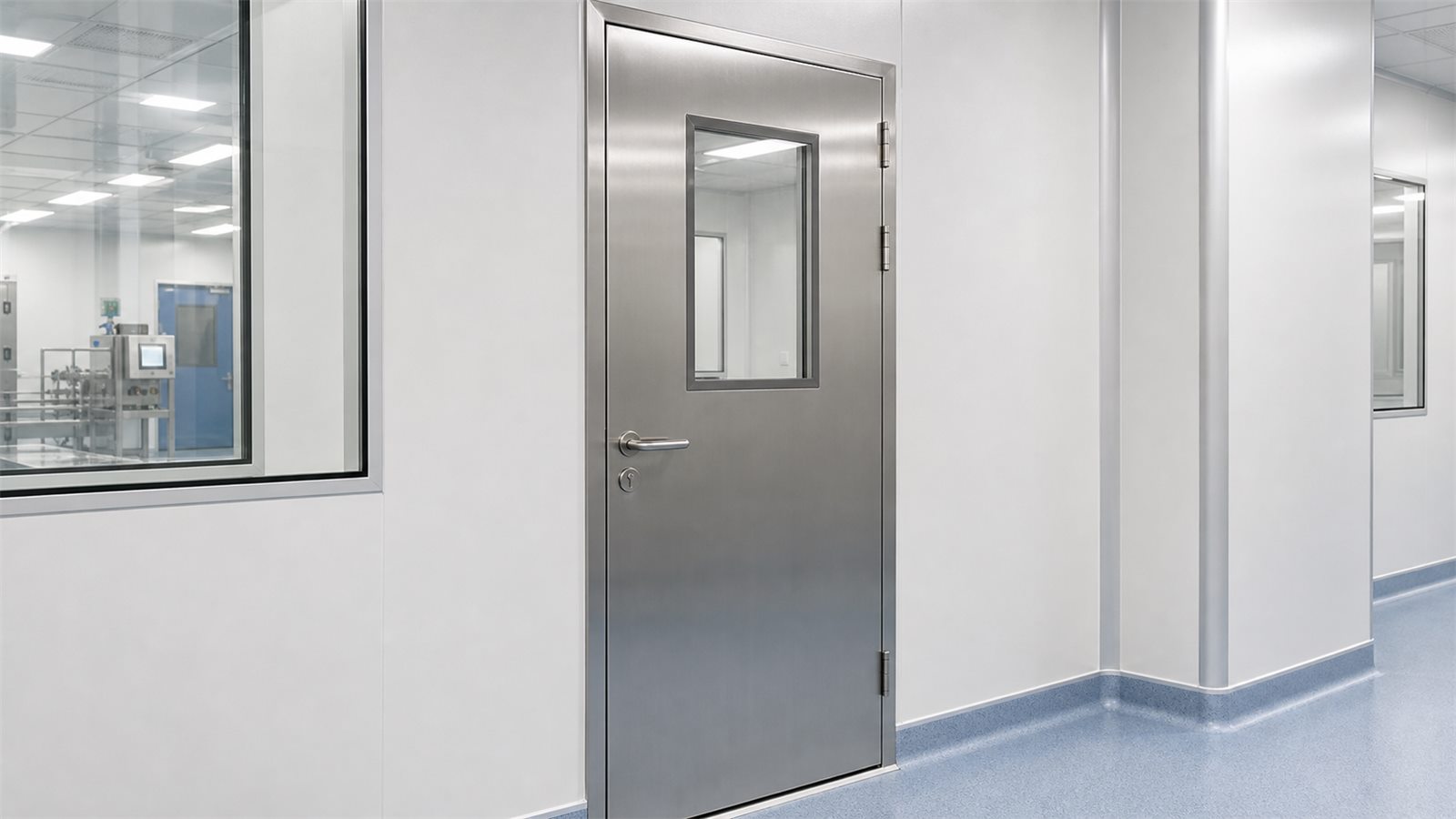
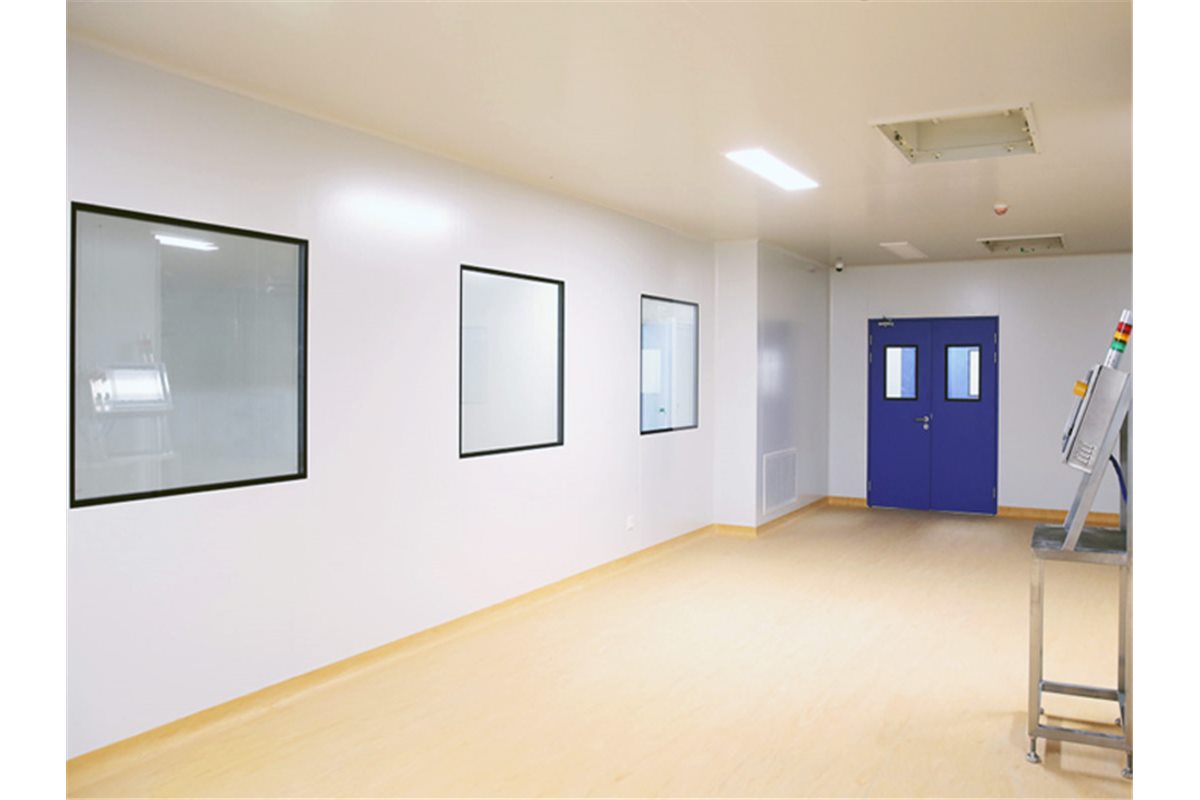
The installed opening shows the door frame integrated with the cleanroom partition system.A pharmaceutical cleanroom application illustrates smooth surfaces and controlled circulation.
It is preferred where wet cleaning, abrasion or chemical exposure could damage a paint coating. The exact grade should match the cleaning and corrosion environment.
02
Can the frame also be stainless steel?
Yes. Stainless leaf and frame combinations are available, or the leaf can be coordinated with another compatible cleanroom frame specification.
03
Can a stainless door include automatic opening?
Yes. Operators, sensors and access control can be prepared when the power supply, control logic and reinforcement are defined before production.
04
Does the brushed surface show fingerprints?
Fingerprints can still occur, but a consistent brushed finish is easier to maintain than a mirror finish. Cleaning methods should follow the grain direction.
05
Can the door be supplied for equipment access?
Double-leaf and larger equipment doors can be produced. Opening size, active leaf, hardware, floor condition and transport constraints must be confirmed.