Lightweight EPS mechanized cleanroom panel for economical wall and ceiling projects where flat appearance, fast installation and controlled joints are important.
CategoryClean Room Systems / ProductResponse24h online serviceExport80+ countries and regions
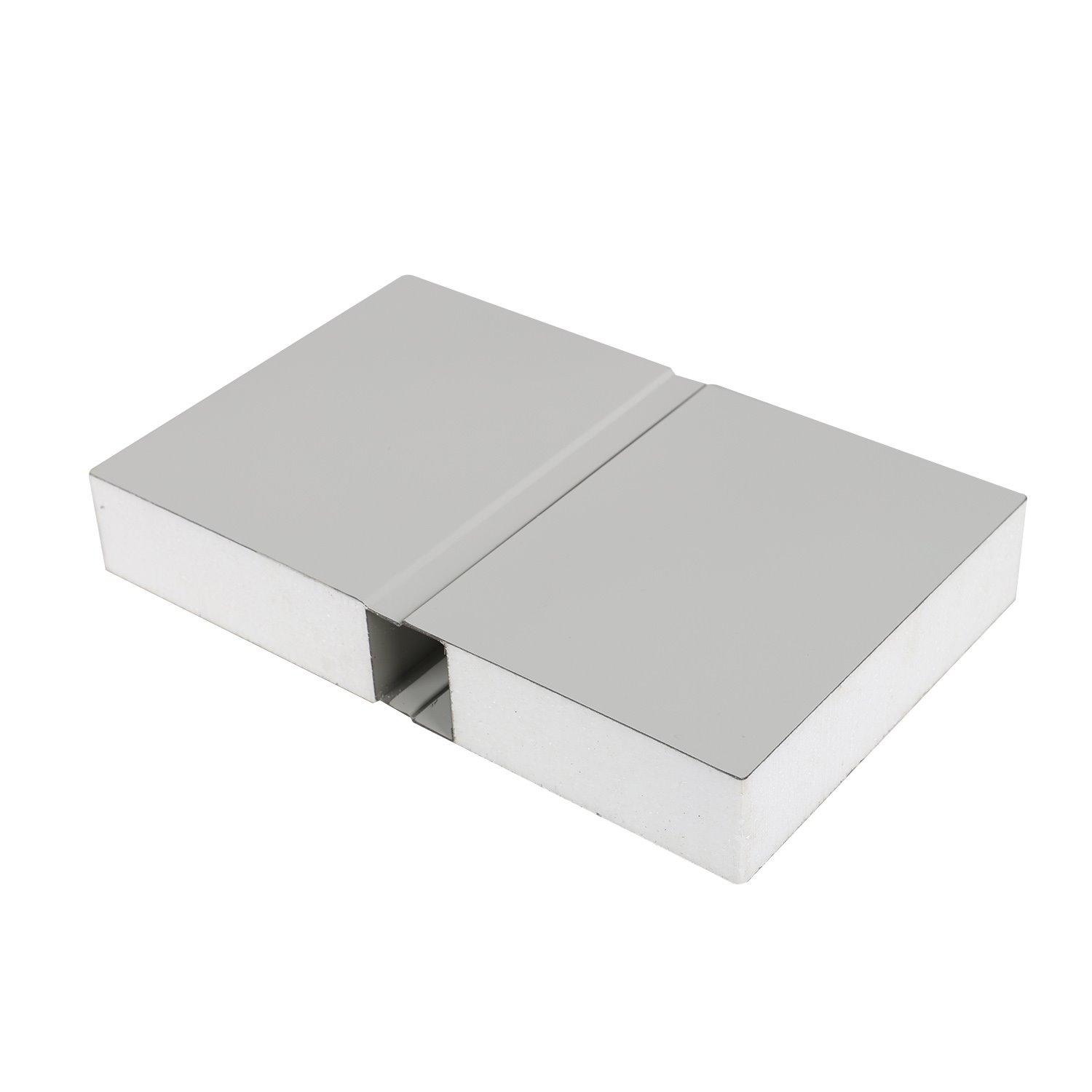
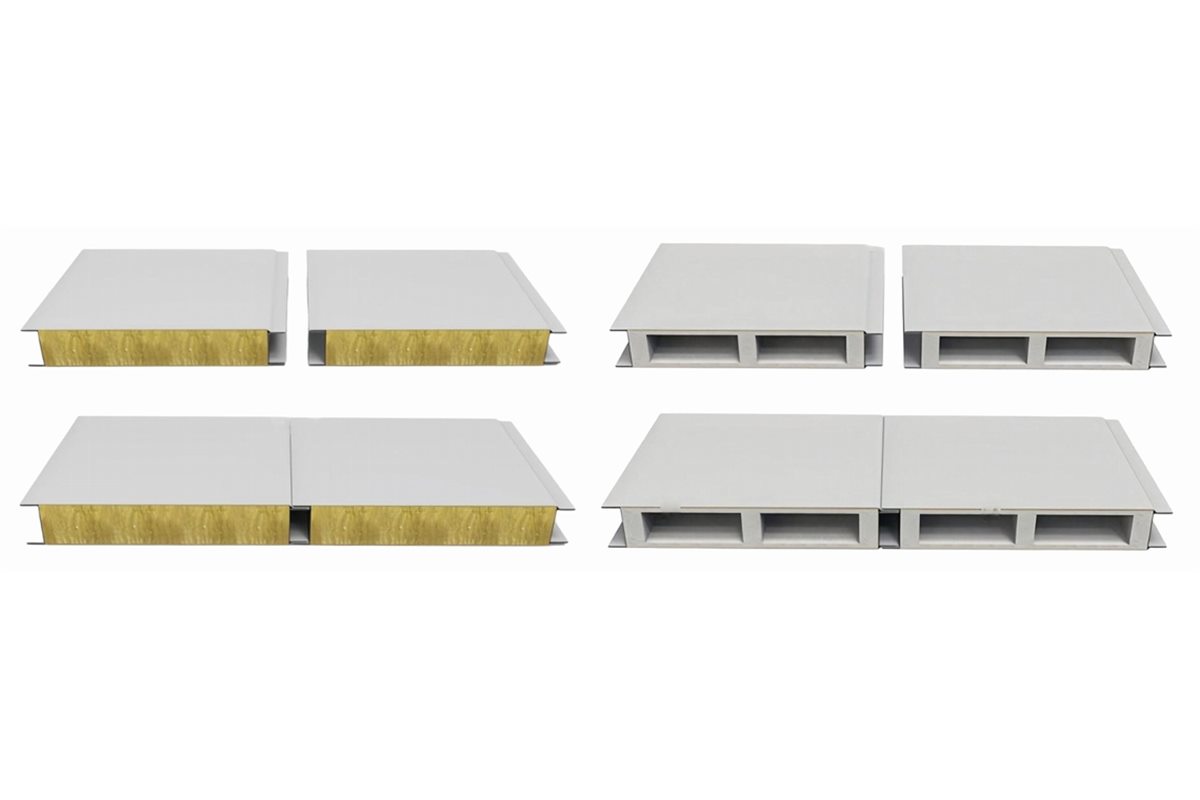
EPS mechanized cleanroom sandwich panel is a practical choice for controlled spaces that need a clean wall finish without the weight or cost of mineral-core panels. The continuous production line forms the steel skins and joint profile in one process, so long wall runs can be installed quickly with consistent seams.
This panel is best used after the room risk level is reviewed. It works well in dry support areas, food auxiliary rooms, electronics packing zones and light-duty clean corridors. For high fire-resistance rooms, HIH Steel will normally recommend a rock wool, MGO or composite-core alternative instead of forcing one panel to fit every condition.
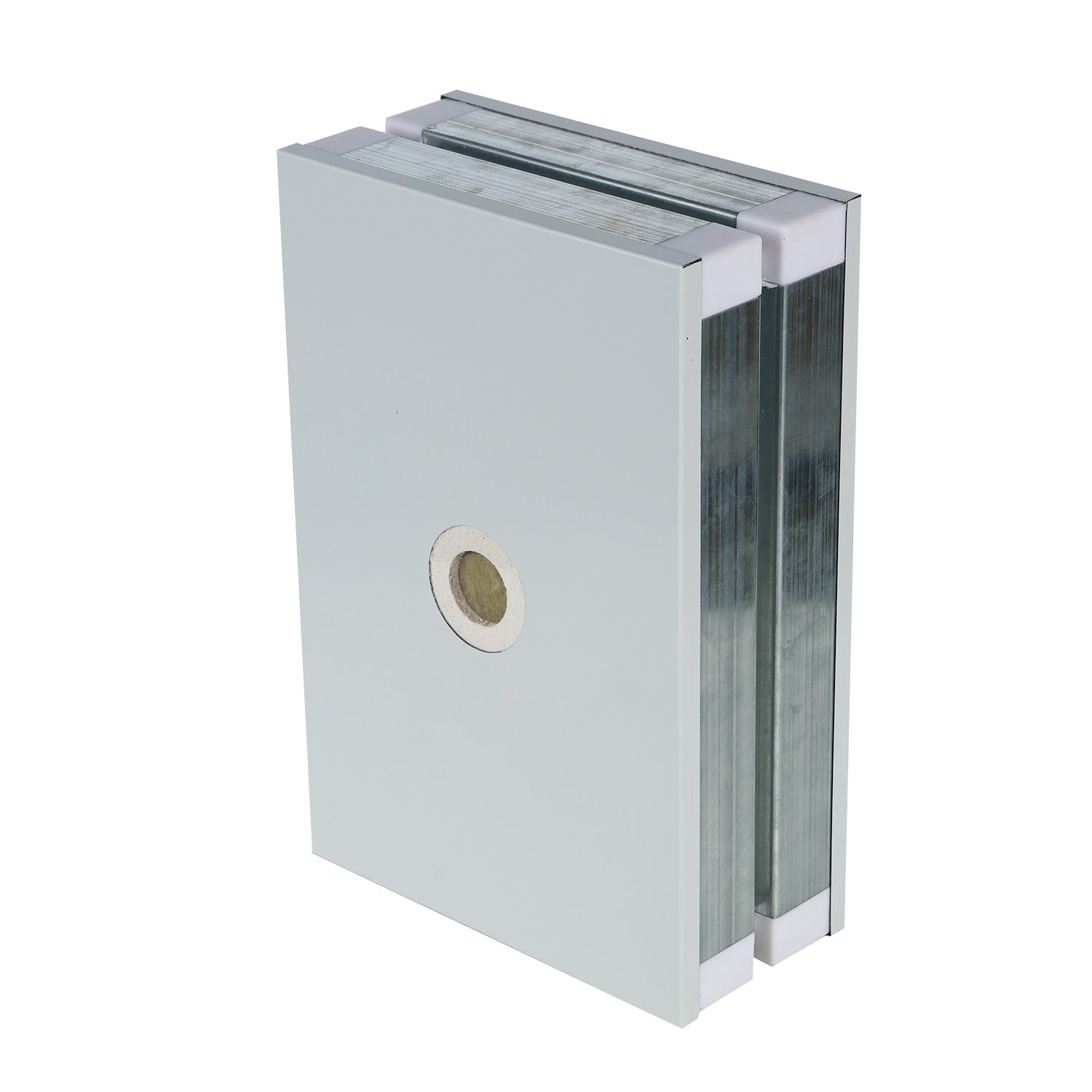
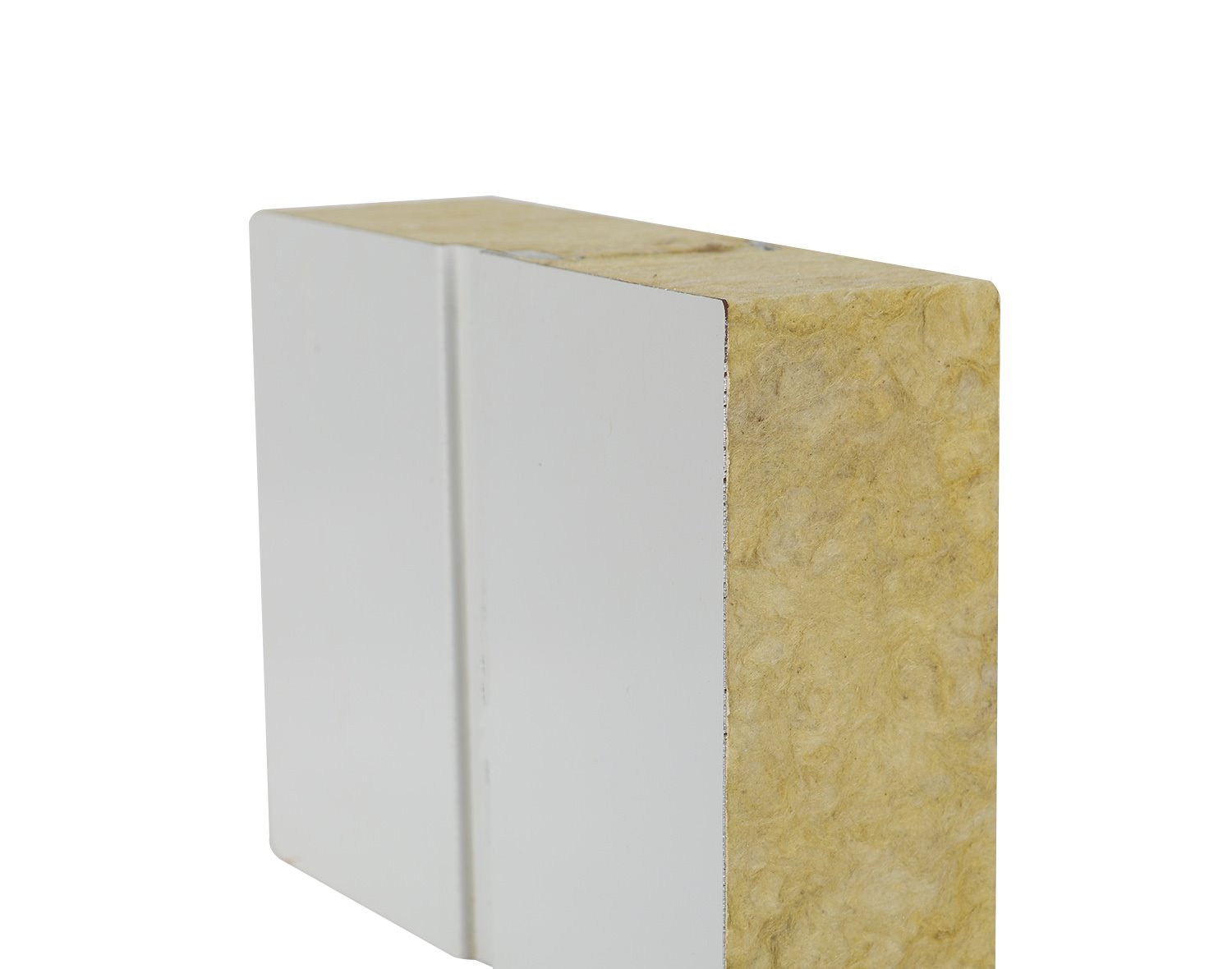
Clean EPS panel detail showing the coated steel skins, EPS core and formed joint without external branding.
Where EPS panels are a good fit
EPS core keeps the panel light, which helps installers move long modules through finished buildings and reduces load on secondary supports. The panel can be cut and coordinated with trim, doors and observation windows when the room layout is regular and the fire requirement is moderate.
For export projects, EPS panels can reduce freight weight while still giving the buyer a washable coated-steel surface. The specification should confirm coating type, room temperature, cleaning method and local approval before production.
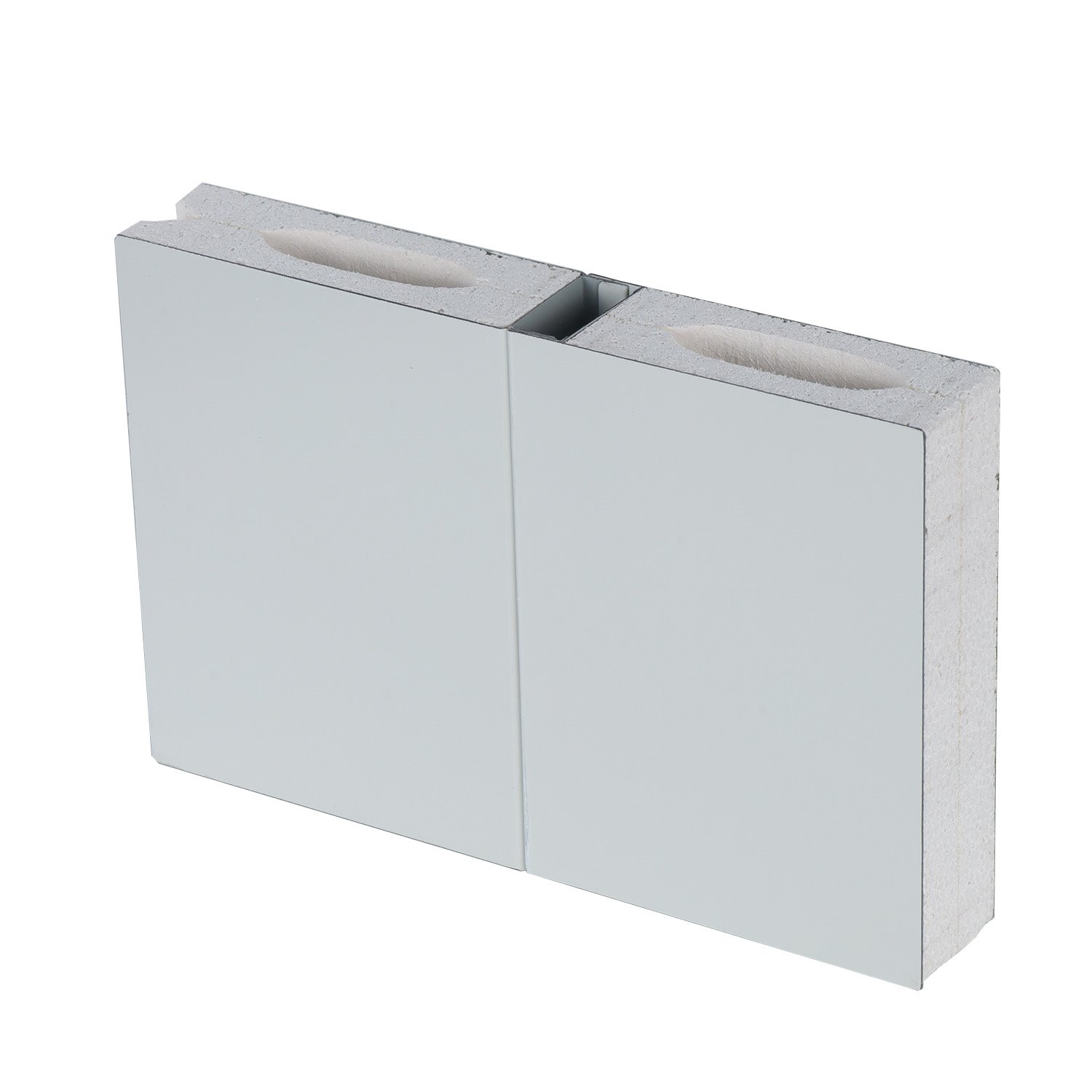
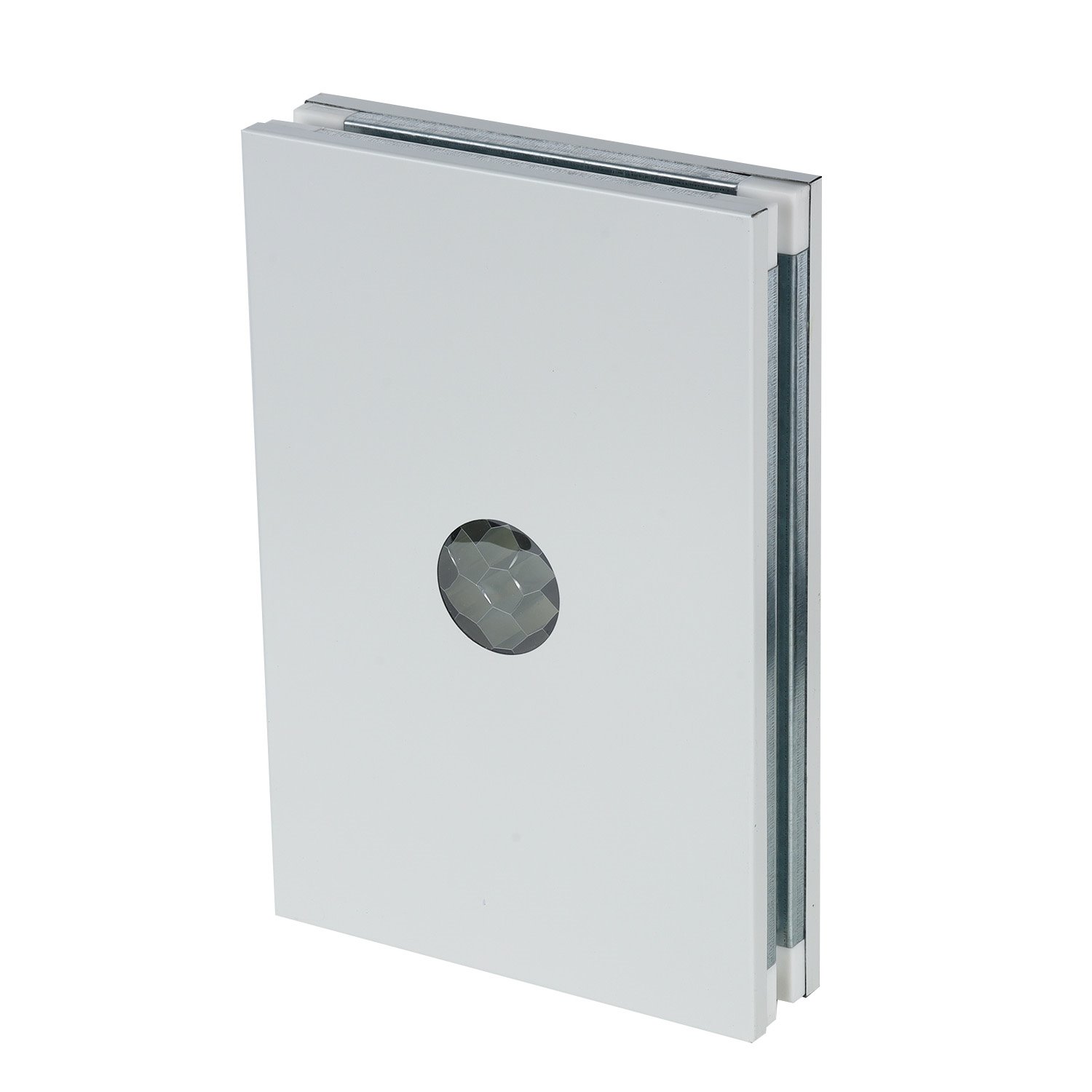
A close product view helps buyers check EPS core continuity, skin bonding and edge geometry.
Manufacturing and installation notes
The edge profile should be protected during handling because a cleanroom wall depends on straight joints and reliable sealant contact. Bundles are labelled by room or elevation, making it easier to install panels in sequence and avoid unnecessary site cutting.
During installation, floor track levelling and joint engagement matter more than adding extra sealant later. The panels should be aligned before final fixing so the finished wall stays flat under corridor lighting.
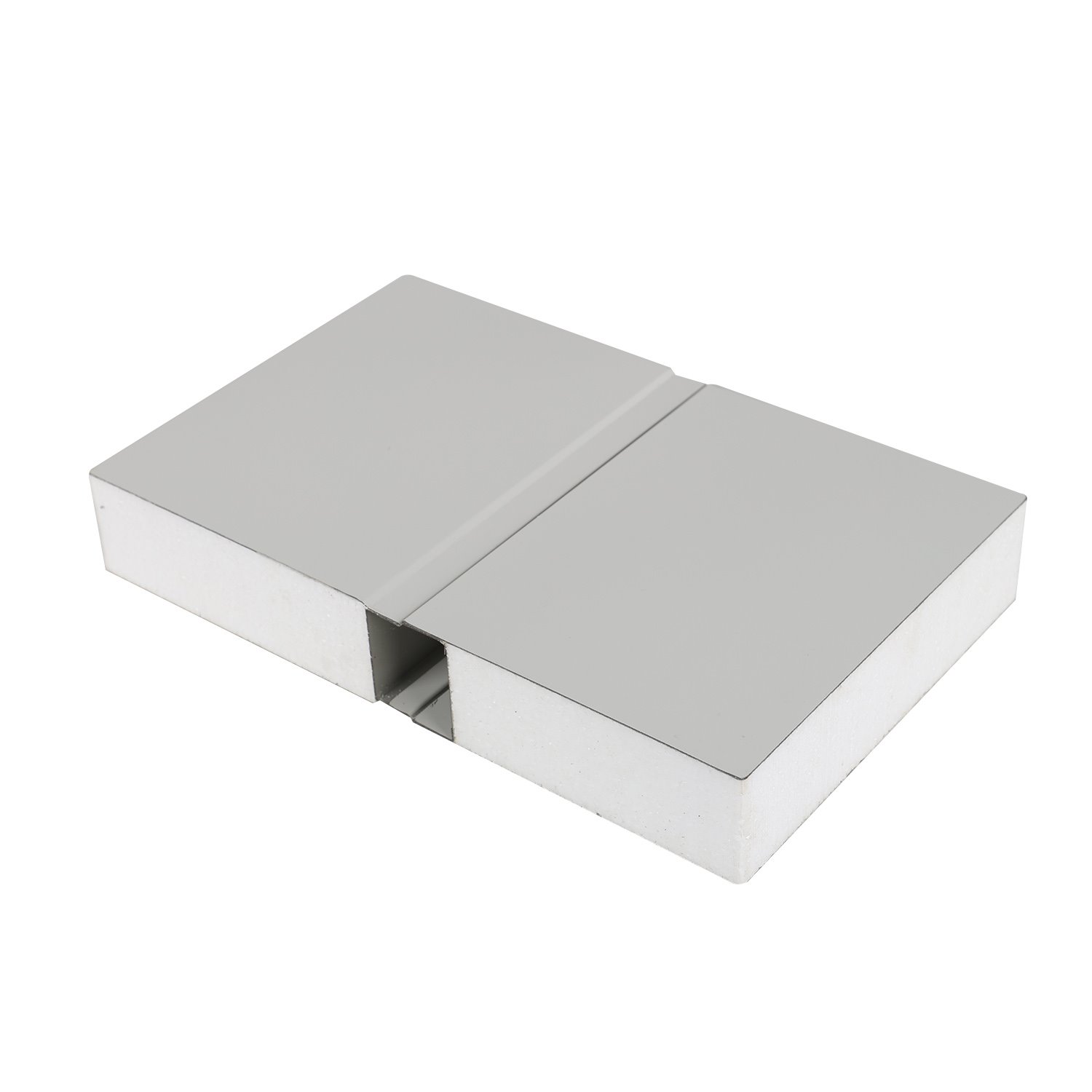
The machine-formed connection profile supports fast alignment and sealable cleanroom wall joints.
Buyer selection advice
Choose EPS when the project needs an economical cleanroom enclosure and does not require a non-combustible mineral core. If the room contains heat sources, strict fire partitions or heavy service penetrations, ask HIH Steel to compare EPS with rock wool or MGO composite panels in the quotation.
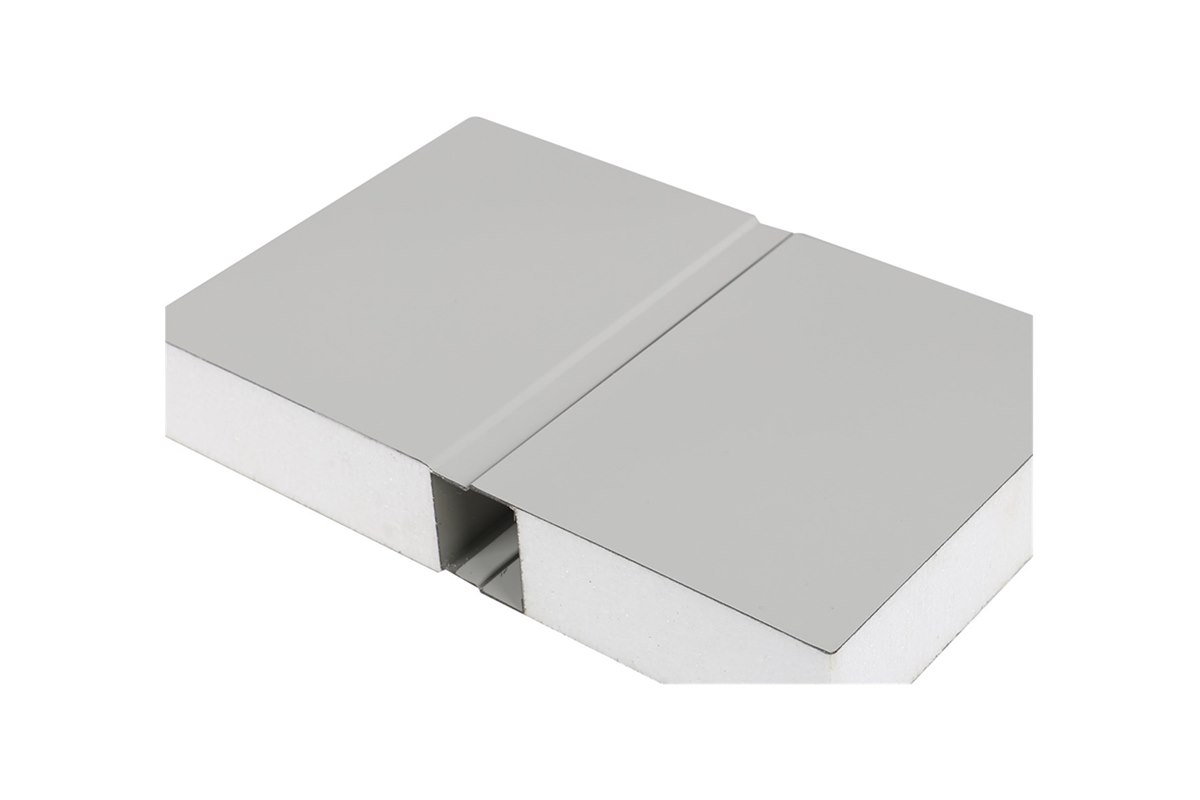
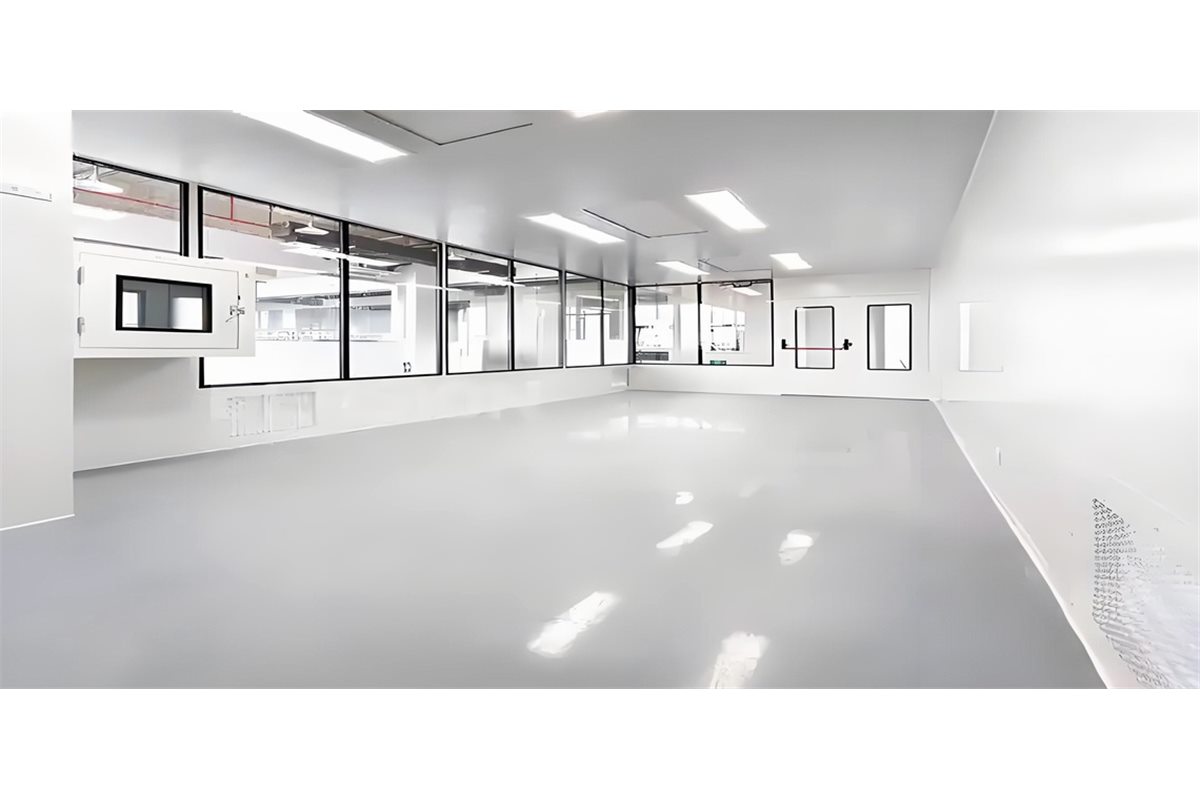
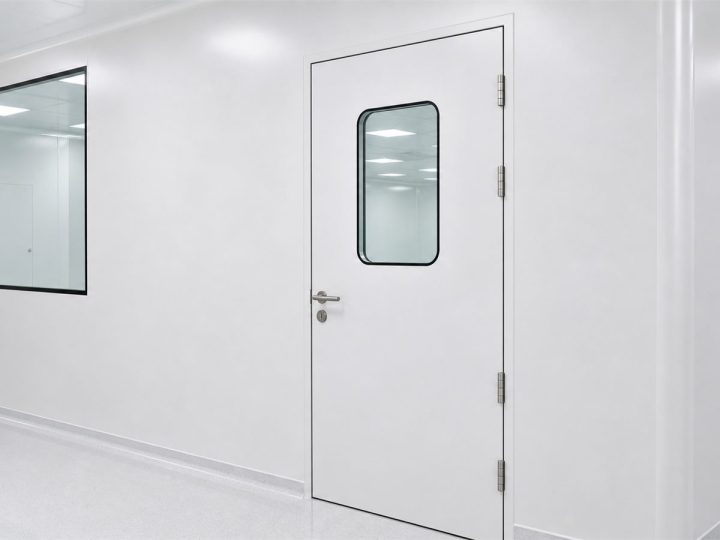
Mechanized cleanroom wall panels are aligned through the formed connection before the joint is sealed.A food processing cleanroom illustrates the smooth, washable enclosure required for controlled production.
No. EPS is economical and light, but it should be used only where the fire strategy and local code allow it. Higher-risk rooms should be reviewed for rock wool or composite-core panels.
02
Can EPS cleanroom panels be used on ceilings?
Yes, they can be used on suitable ceiling layouts, but span, suspension spacing and maintenance loads must be checked before confirming the panel thickness.
03
What information is needed for a quotation?
Provide room drawings, panel thickness, effective width preference, surface coating, length list, opening schedule, destination country and packing requirements.
04
Can the surface be antibacterial?
Yes. Antibacterial coated steel can be specified when the cleaning method and coating durability requirements are provided.
05
How are EPS panels packed for export?
Panels are normally stacked with protected edges, moisture-resistant wrapping and bundle labels that match the room or installation sequence.