PU mechanized cleanroom sandwich panel for clean spaces that require better thermal insulation, smooth coated surfaces and efficient modular installation.
CategoryClean Room Systems / ProductResponse24h online serviceExport80+ countries and regions
PU mechanized cleanroom sandwich panel is used where temperature control and clean surface finish need to work together. The rigid polyurethane core offers strong thermal insulation, making the product useful for clean cold processing rooms, chilled corridors and controlled food or pharmaceutical support areas.
Because insulation performance is tied to room temperature and condensation risk, the quotation should include operating temperature, ambient condition, door use and ceiling interface. HIH Steel can then recommend thickness, joint sealing and accessory details.
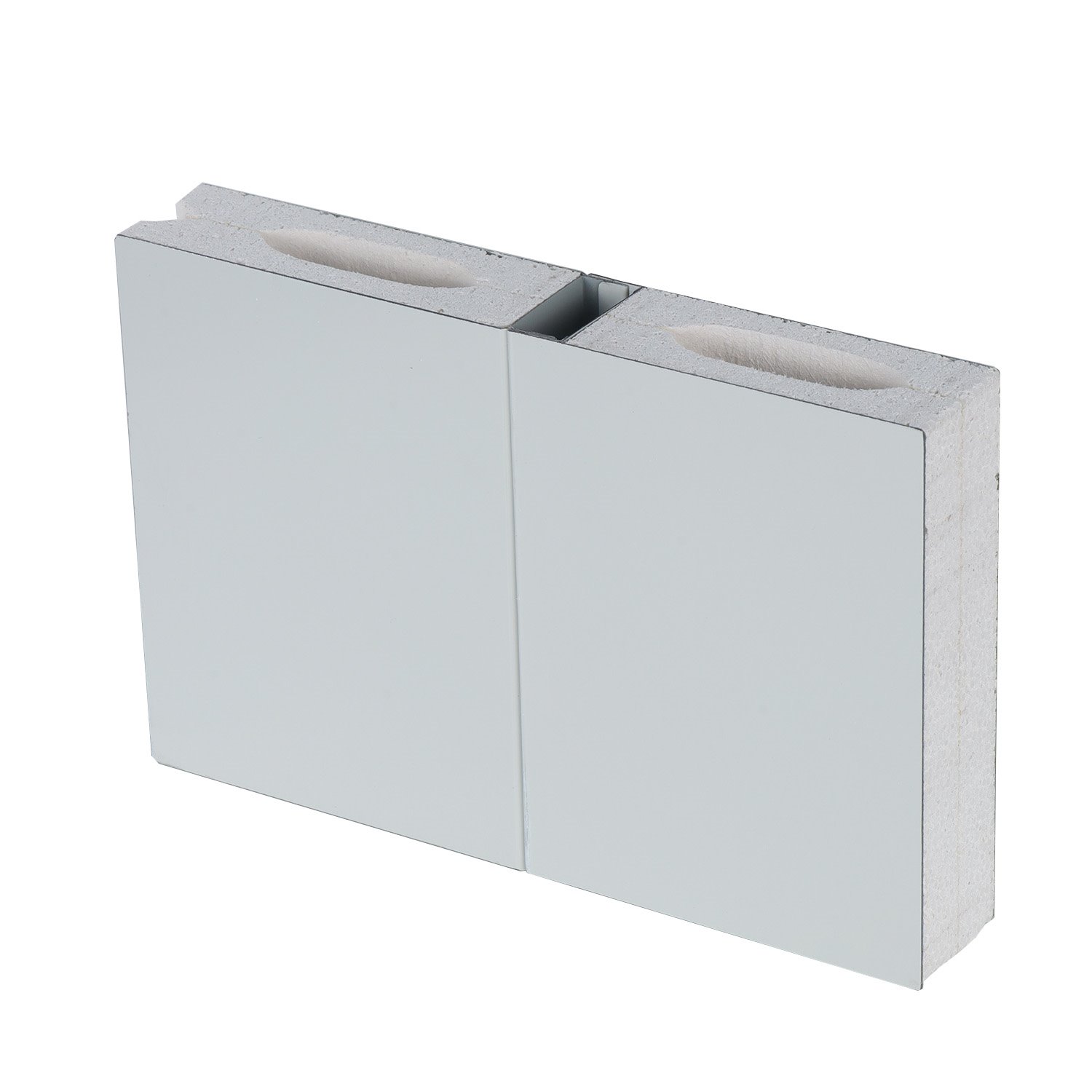
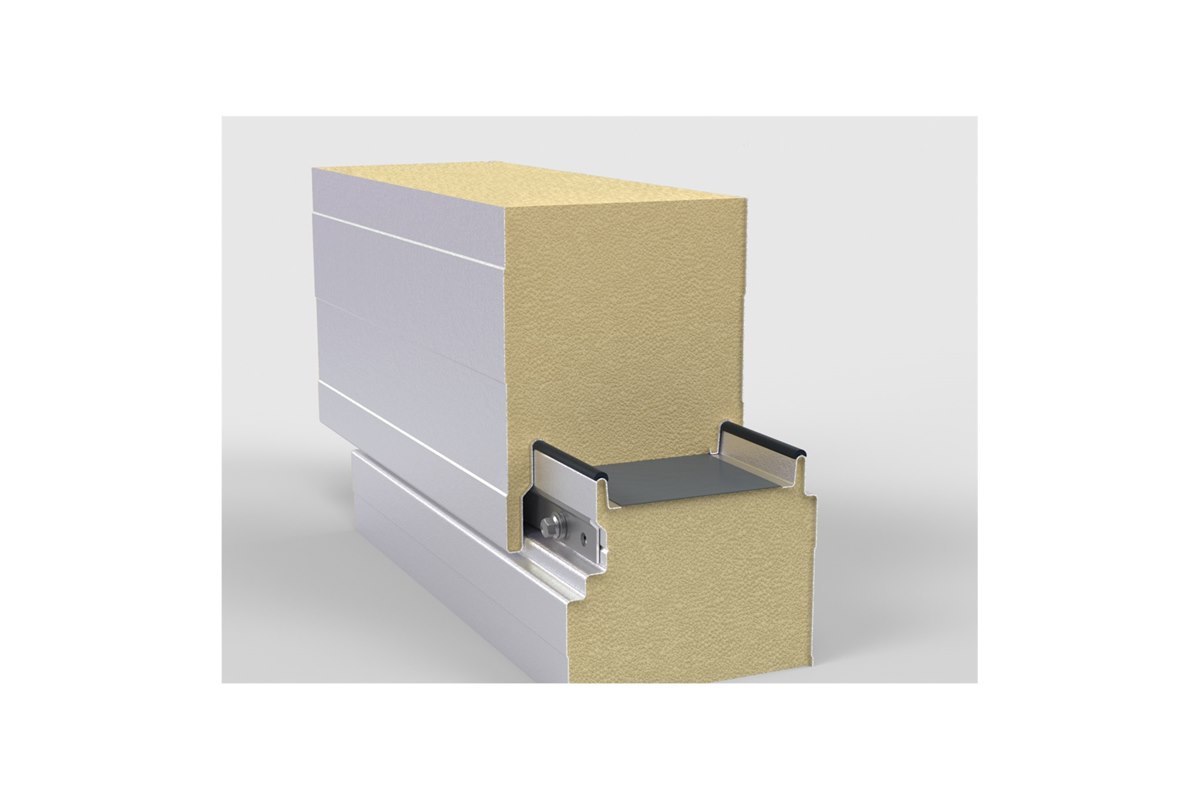
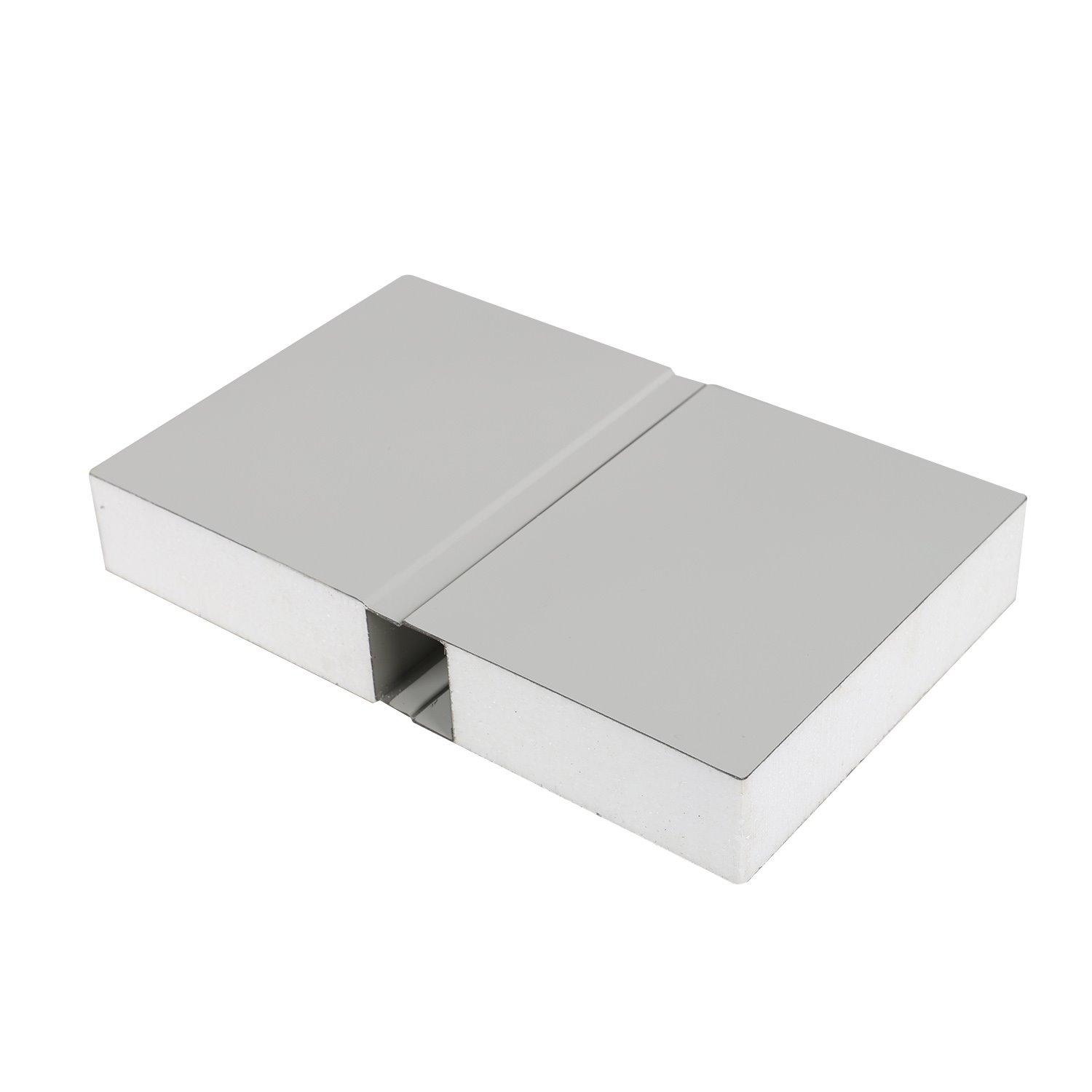
A clean PU panel detail shows the closed-cell core and formed metal connection.
Insulation-focused panel design
PU core provides a low thermal conductivity option for cleanroom enclosures that must also control heat transfer. This is valuable when the clean space connects with cold rooms, chilled storage or temperature-sensitive production.
Panel thickness should be selected from temperature difference, humidity and support span rather than chosen only from a standard catalogue size.
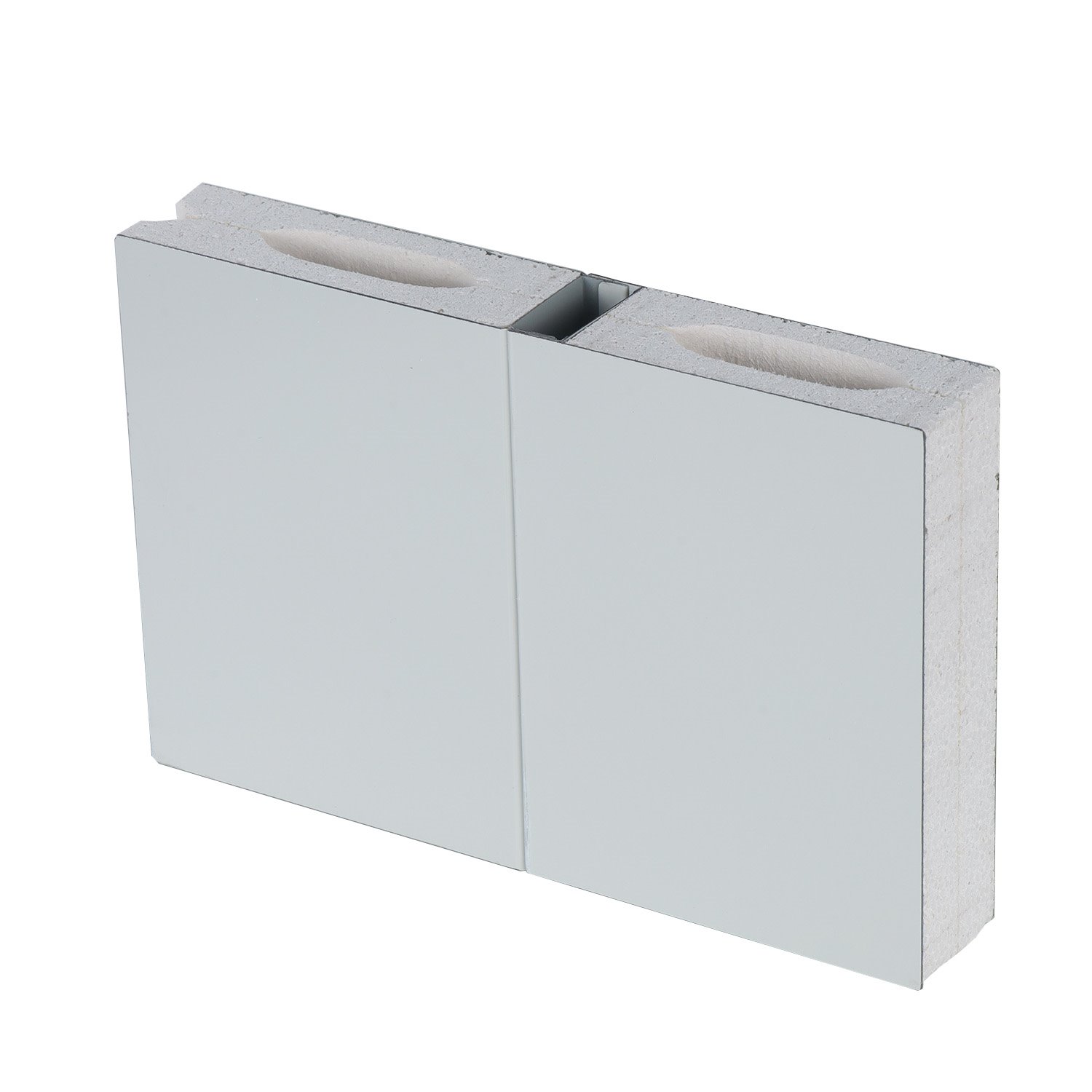
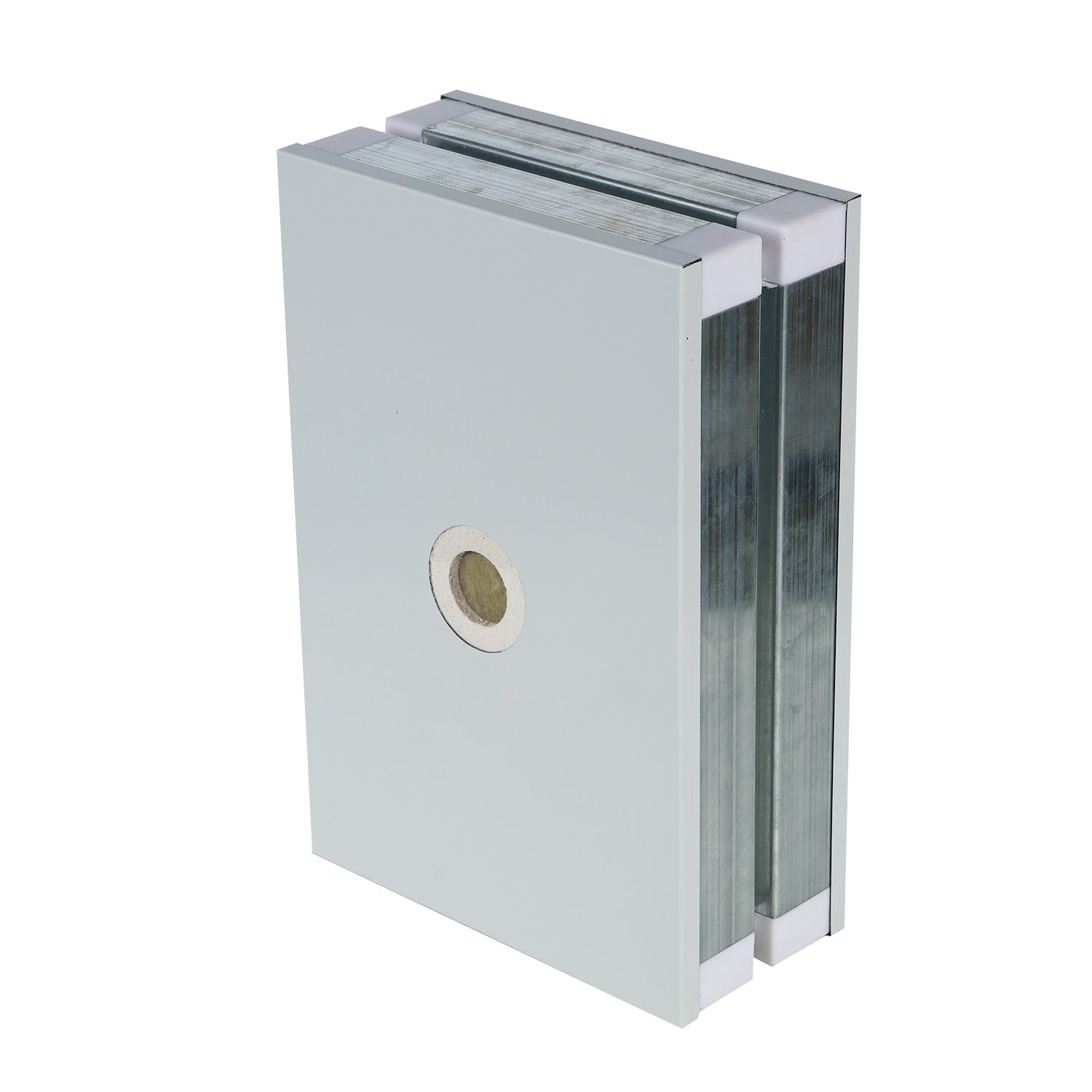
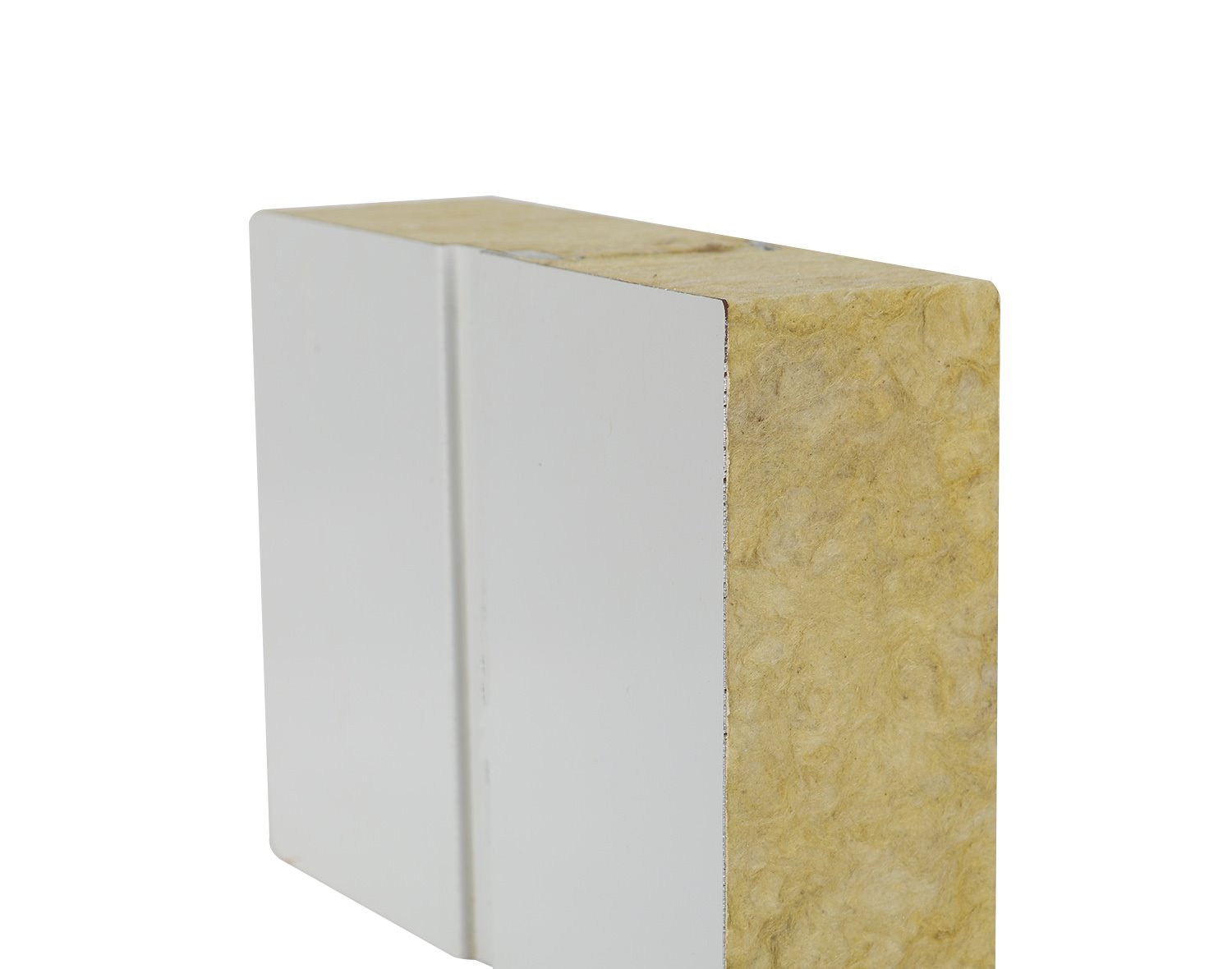
The side profile helps verify PU core continuity and the cleanroom joint geometry.
Cleanroom and cold interface details
Door frames, floor tracks, ceiling junctions and penetrations must be sealed carefully to reduce thermal bridging and moisture entry. The panel surface coating should also match the cleaning chemicals used in the room.
For export projects, panel edges are protected and bundles are labelled so long insulated panels can be handled without damaging the joint profile.
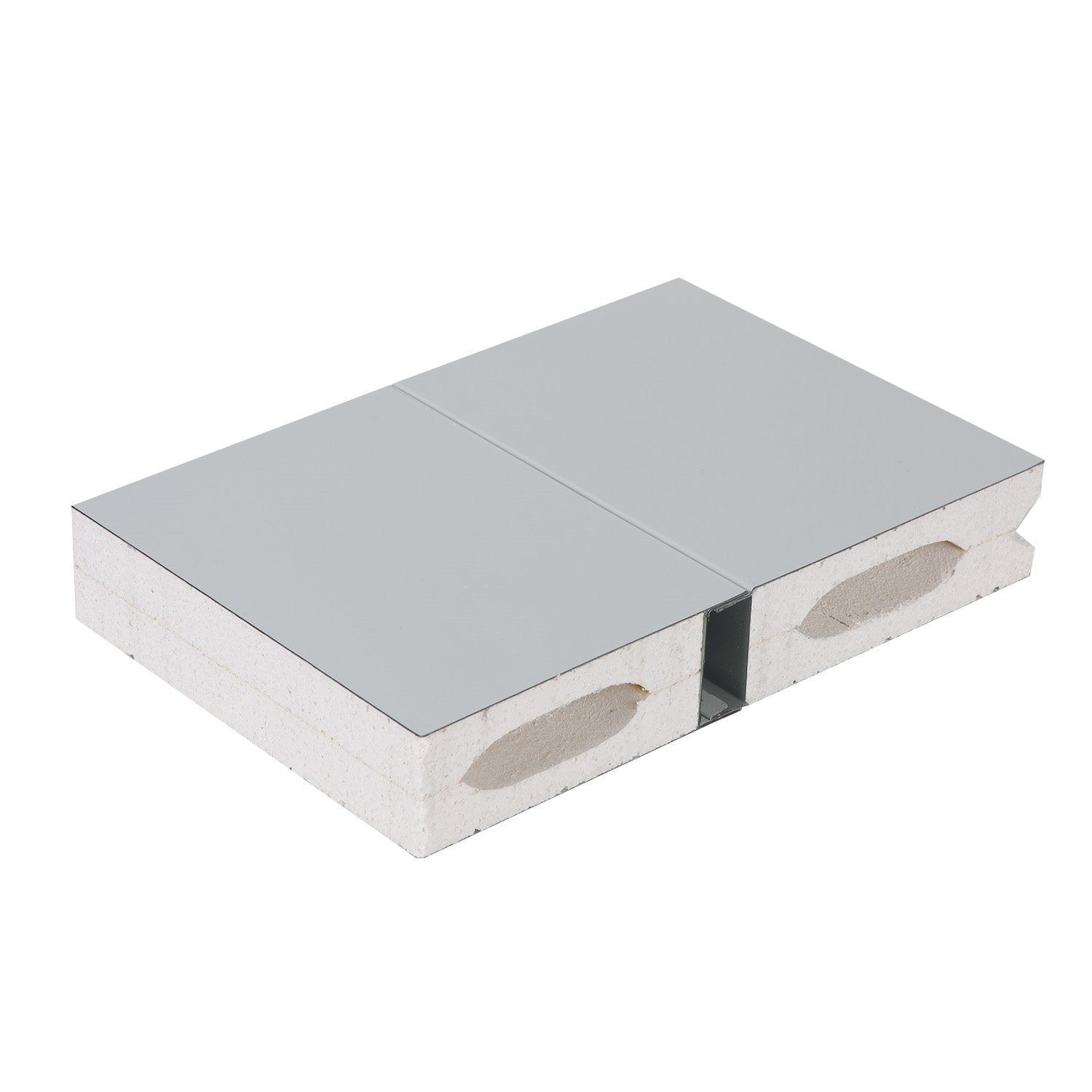
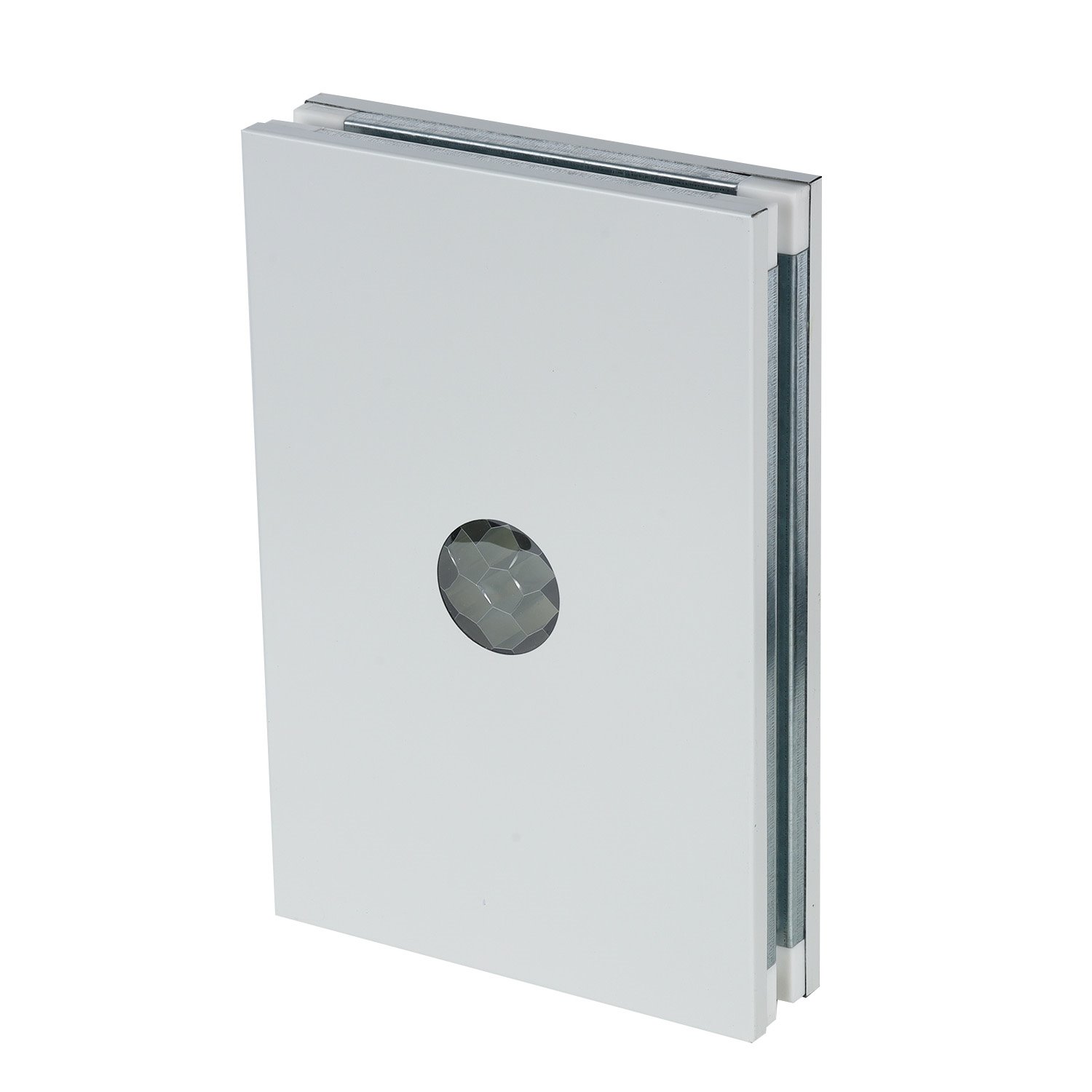
Two PU panels demonstrate how the joint closes to create a straight, sealable wall surface.
Typical project applications
PU cleanroom panels are suitable for chilled food clean areas, pharmaceutical support rooms, insulated clean corridors and processing areas where thermal insulation is a primary requirement.
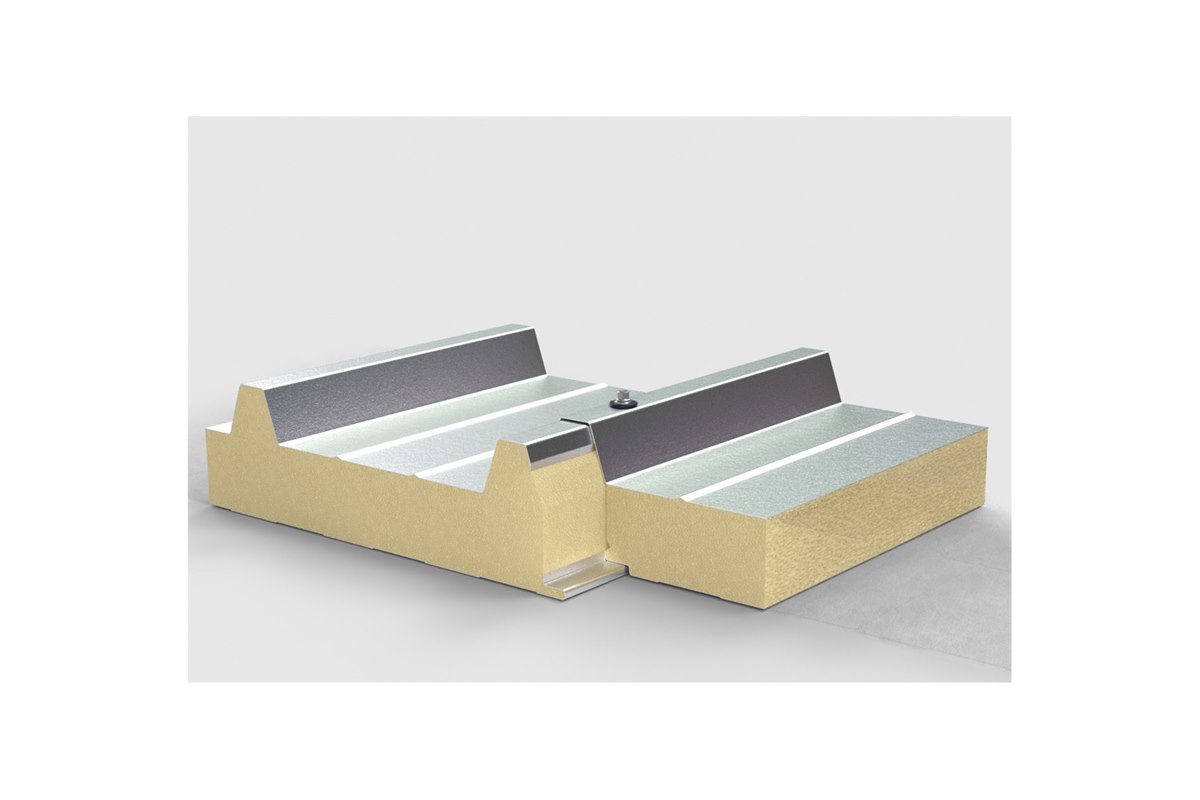
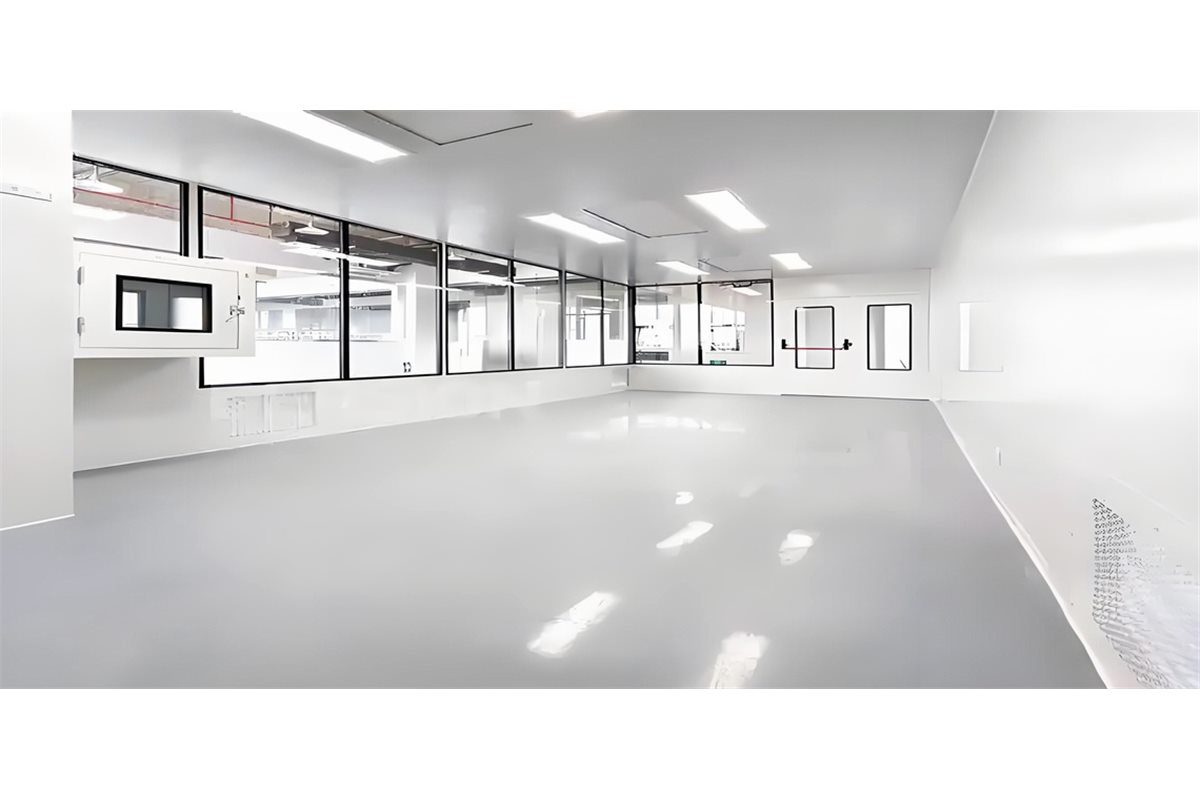
The cutaway shows the relationship between the steel skins, PU insulation and connection zone.A controlled food production area demonstrates why washable surfaces and insulated walls matter.
Choose PU when thermal insulation is important, such as chilled processing rooms, temperature-controlled clean areas or insulated clean corridors.
02
Is PU the same as PIR?
No. PU and PIR are related rigid insulation families but have different fire and thermal characteristics. The project should confirm which core is required.
03
Can PU panels be used with cold room doors?
Yes. PU panels can be coordinated with insulated doors, but the door frame, threshold and sealing detail must be reviewed.
04
How is condensation controlled?
Condensation control depends on thickness, joint sealing, thermal bridge design, room humidity and operating temperature. These details should be reviewed before production.
05
Can the panel surface be stainless steel?
Yes. Stainless steel can be used where cleaning intensity, corrosion resistance or food hygiene requirements justify it.