Airtight coated-steel clean room door with a flush observation window, cleanable surfaces and configurable hardware for laboratories, food and pharmaceutical facilities.
CategoryClean Room Systems / ProductResponse24h online serviceExport80+ countries and regions
900 x 2100, 1000 x 2100, 1200 x 2100 or 1500 x 2100 mm
Door leaf thickness
Typically 40 or 50 mm; matched to wall system
Leaf material
Galvanized steel with durable powder or polyester finish
Core options
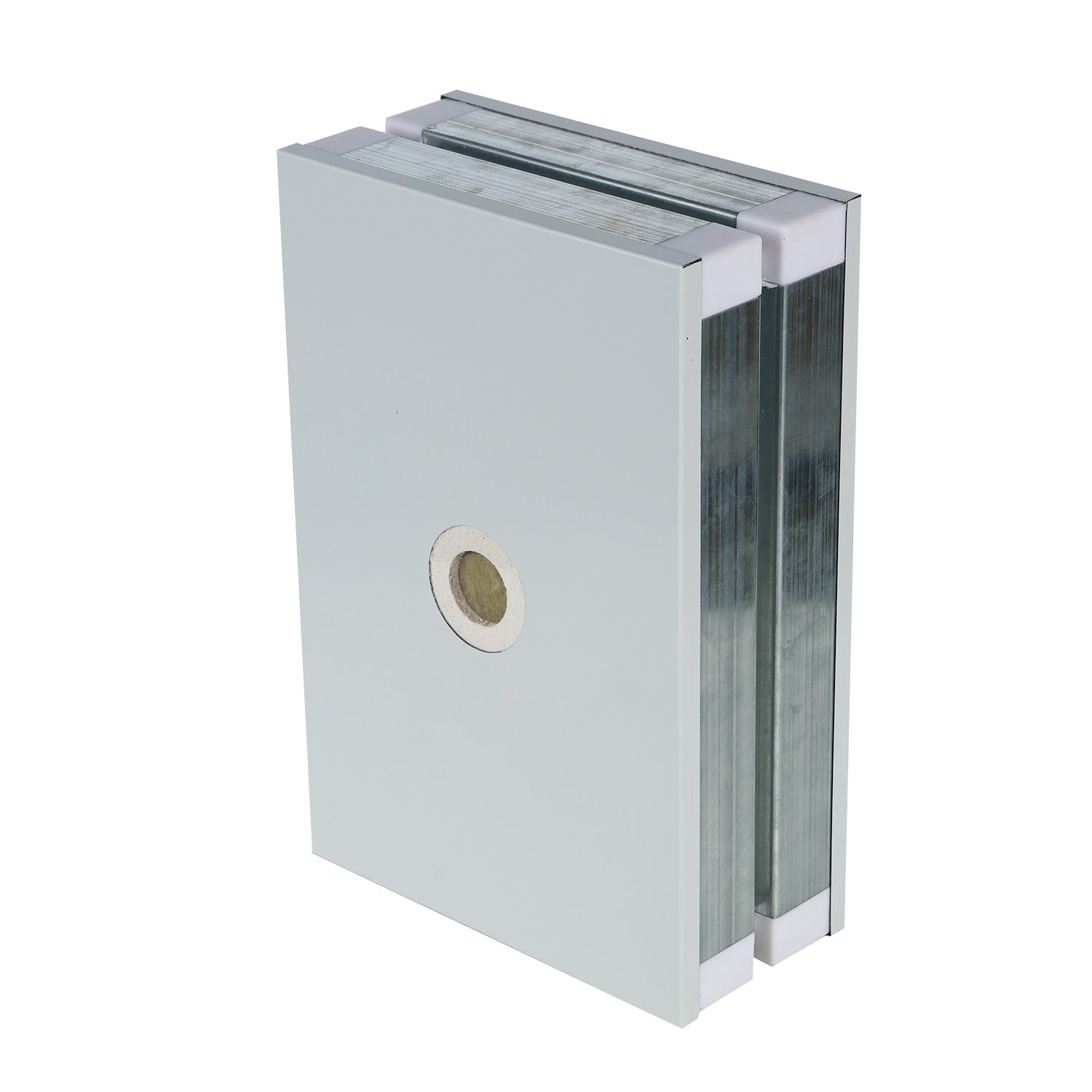
Flame-retardant paper honeycomb or aluminum honeycomb
View window
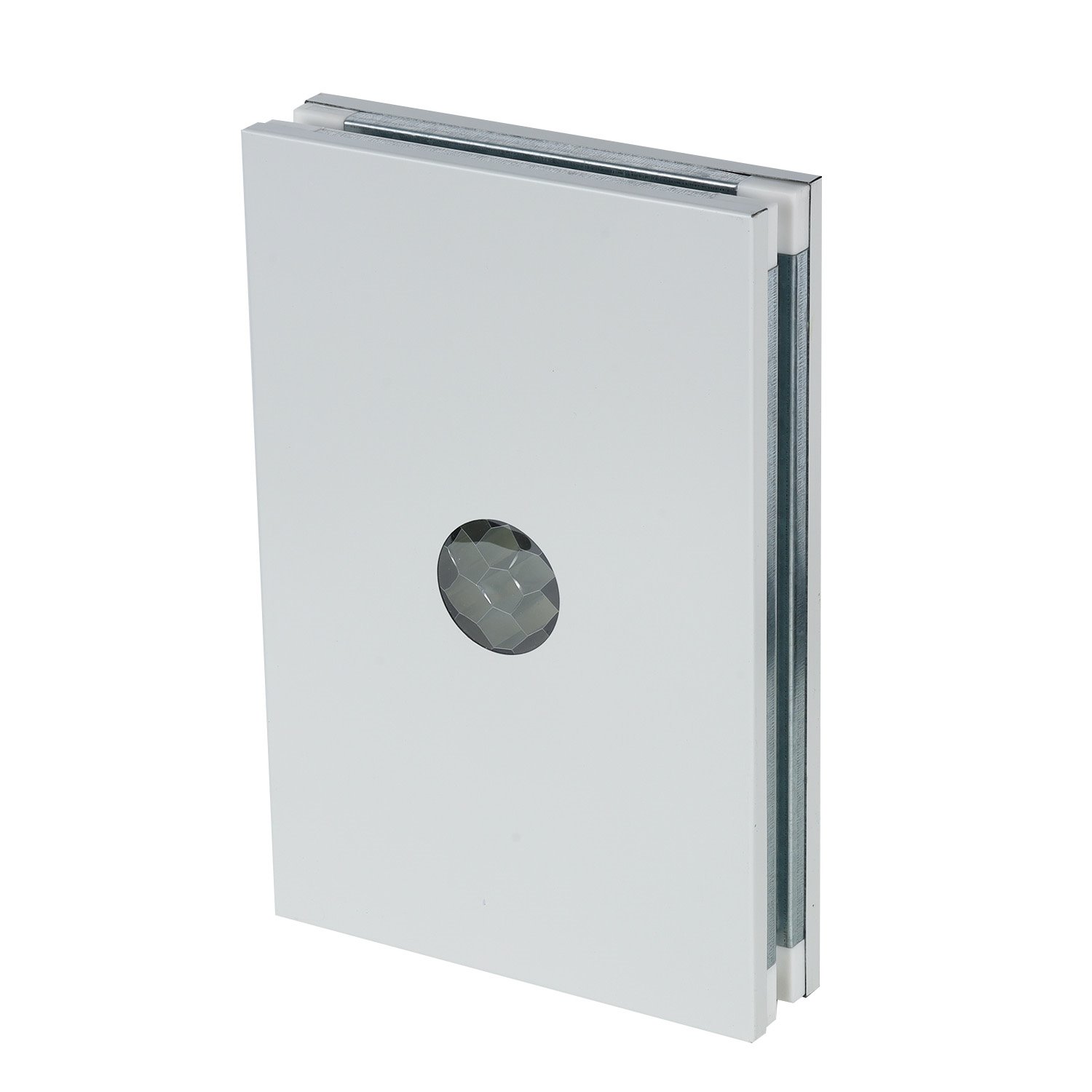
Flush double tempered glass, rectangular or rounded corners
Frame
Coated steel or aluminum cleanroom frame
Seal
Perimeter gasket with optional automatic drop seal
Hardware
Stainless hinges, lever lock, closer, access control or interlock
Opening options
Manual, controlled access or automatic operator
A flush steel clean room door closes a high-traffic opening without introducing deep ledges into the wall. The coated leaf, integrated observation window and sealed frame create a surface that is easy to inspect and wipe. Hardware can be selected for personnel flow, pressure control and access management.
Door performance depends on the frame-to-panel interface and hardware setup as much as the leaf itself. HIH Steel coordinates wall thickness, opening size, floor finish and pressure direction before production.
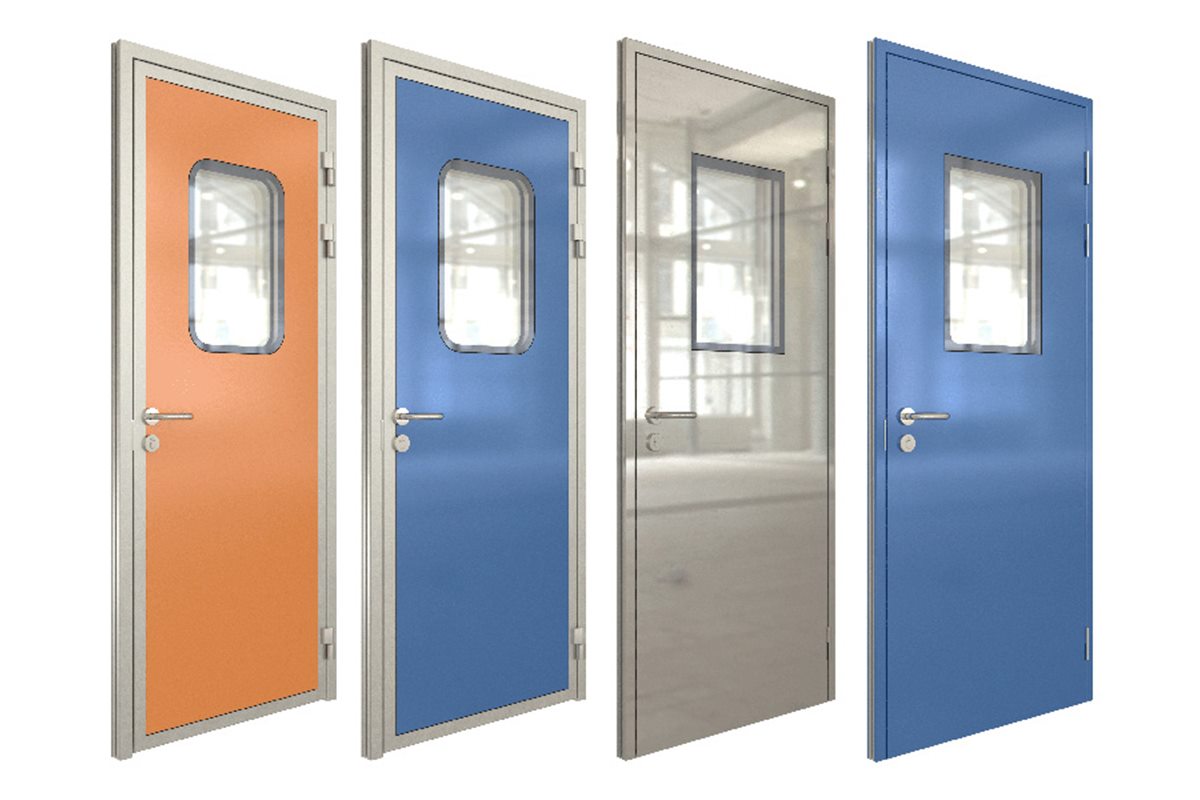
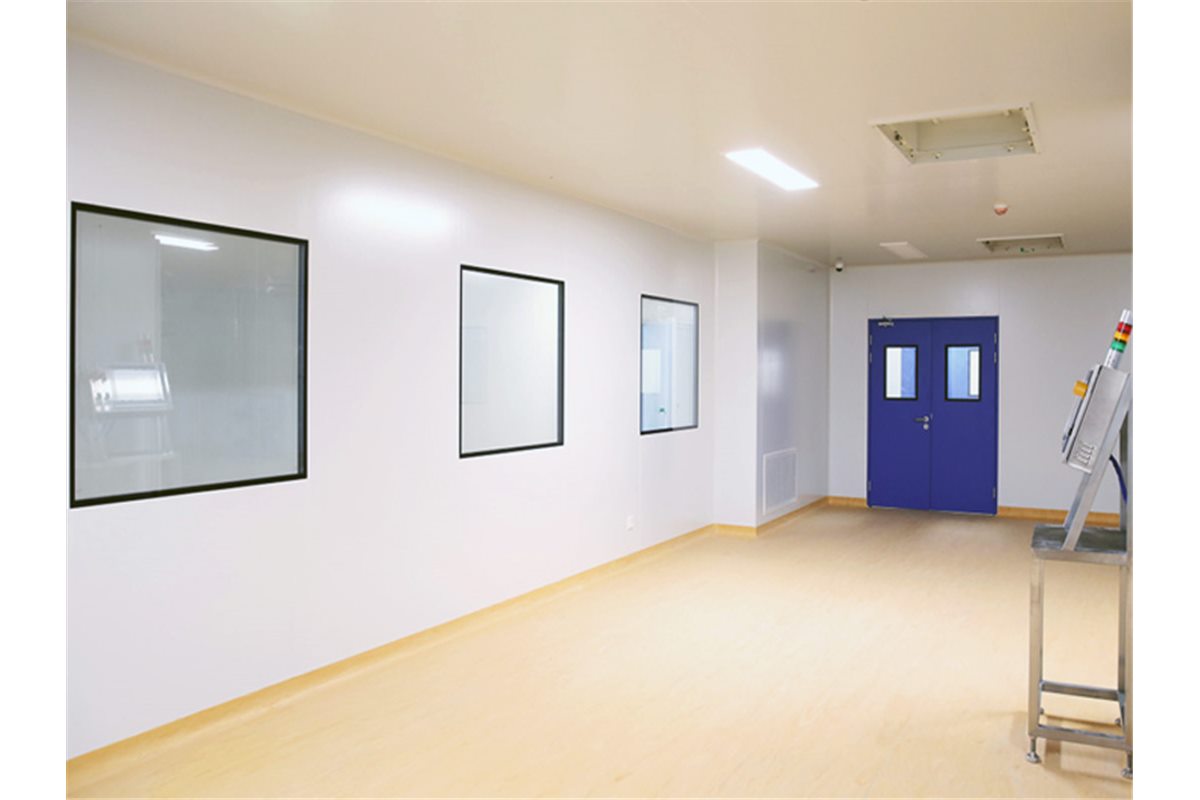
A cleanroom door range shows common finishes, vision panels and project configurations.
Door leaf and glazing details
Galvanized steel is folded and finished to form a smooth leaf with protected edges. Honeycomb cores keep the door manageable while supporting surface flatness. A flush double-glazed window allows visibility between rooms without a projecting frame that traps dust.
For frequent disinfection, the coating and gasket material should be matched to the cleaning agent. Stainless kick plates can protect lower areas in trolley routes, and a drop seal can close the floor gap when the door shuts.
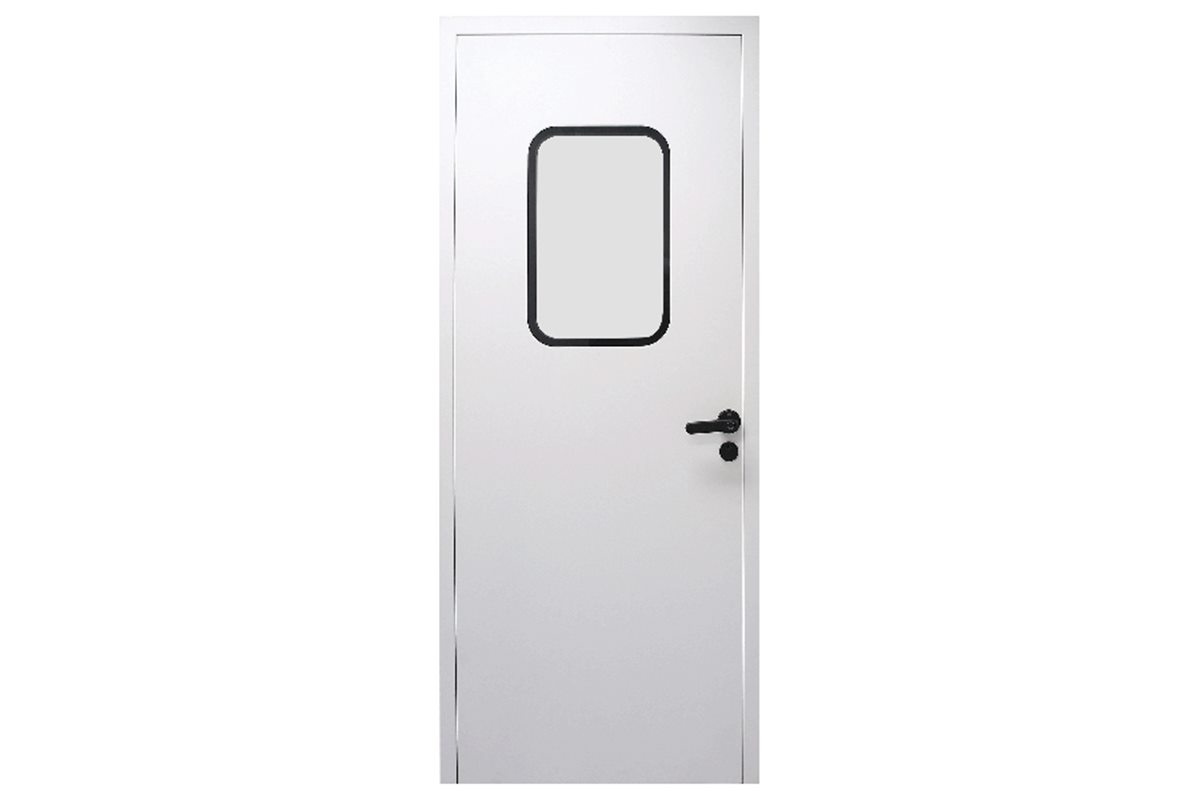
A single-leaf flush door provides a smooth, cleanable face for controlled rooms.
Hardware selection for cleanroom traffic
The hardware schedule may include a closer, electromagnetic lock, card reader, interlock contact or automatic operator. These devices need coordinated cable paths and reinforcement. A door that is difficult to operate will be propped open, so opening force and traffic type deserve practical review.
Final commissioning checks alignment, latch engagement, gasket contact, closer speed and interlock signals. The door should close reliably without slamming or dragging across the finished floor.
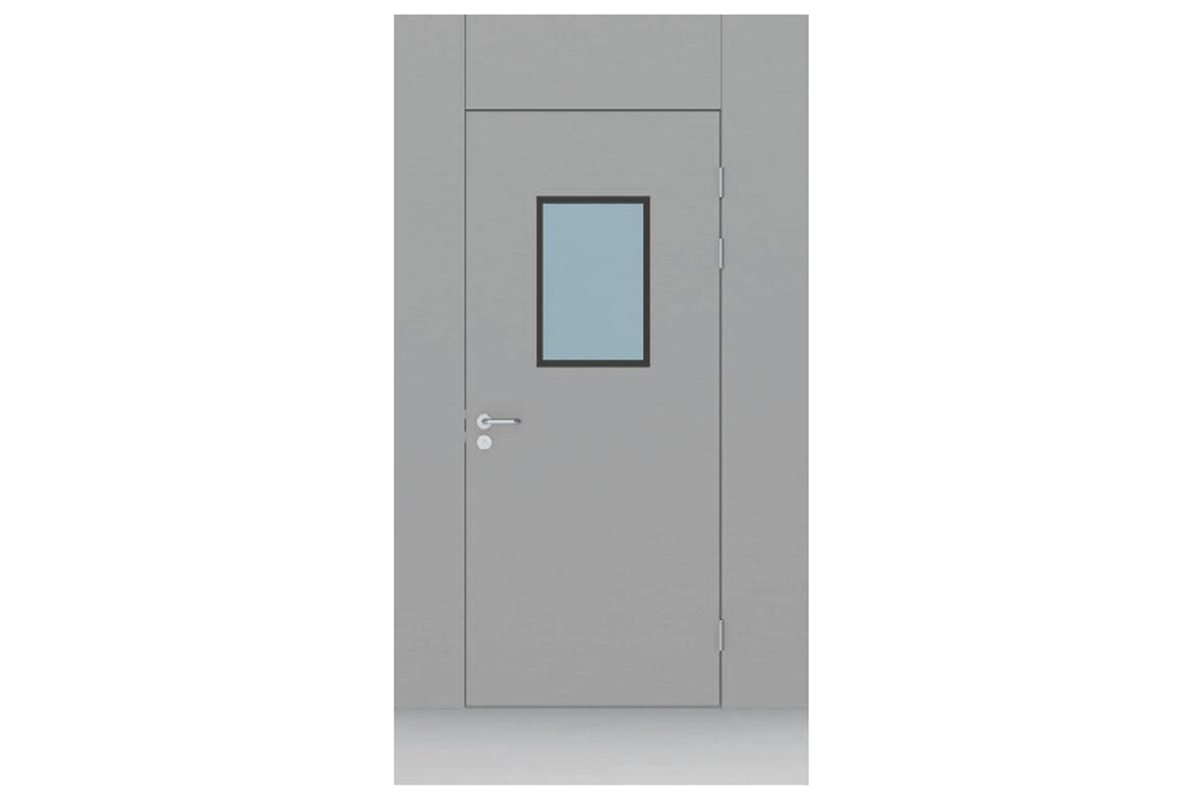
The flush frame and sealed perimeter reduce ledges around the cleanroom opening.
Application areas
Flush steel doors suit pharmaceutical rooms, laboratories, electronics workshops, food processing corridors and hospital support spaces. Colour options can also help identify room zones while keeping a consistent enclosure system.
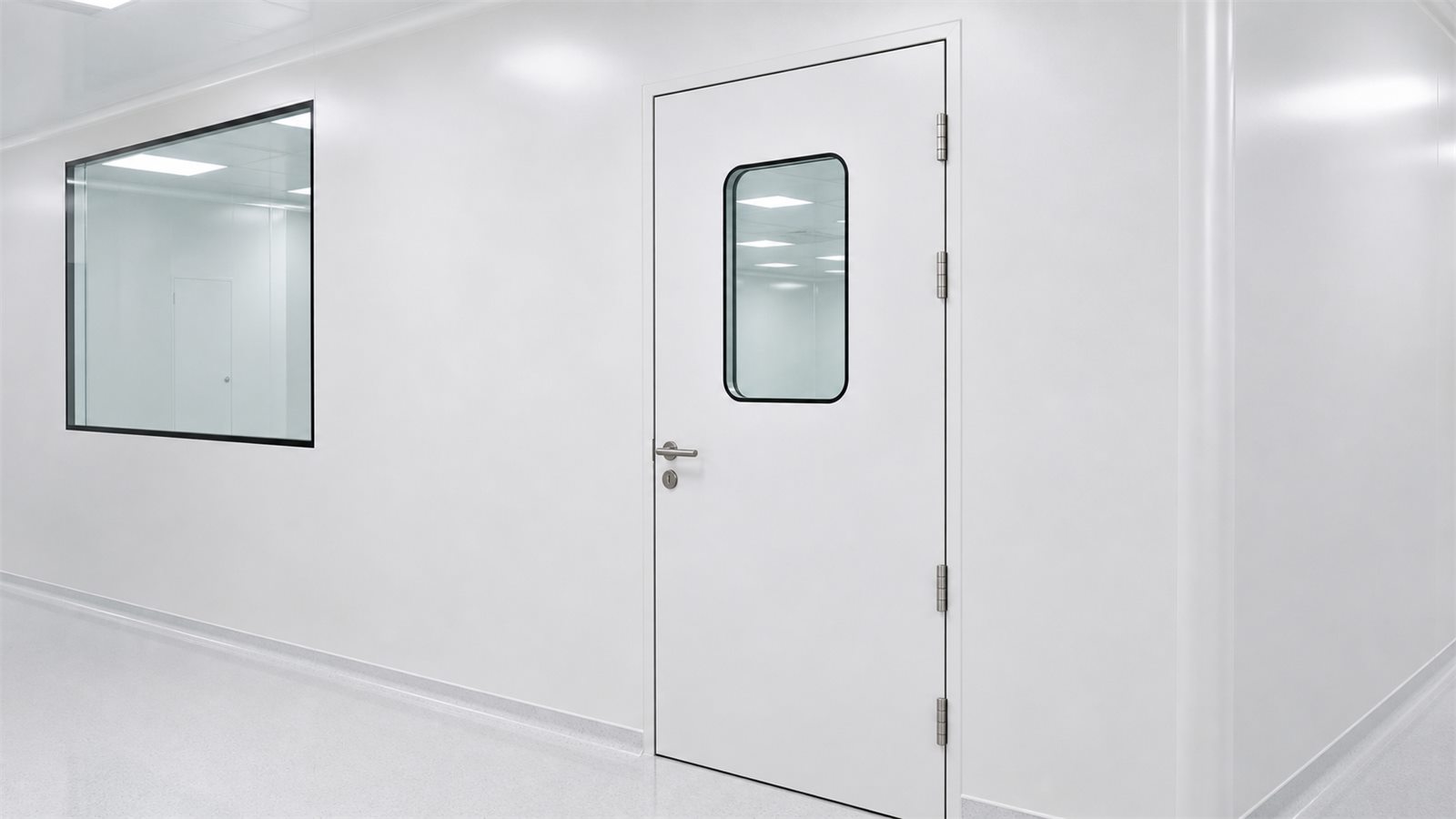
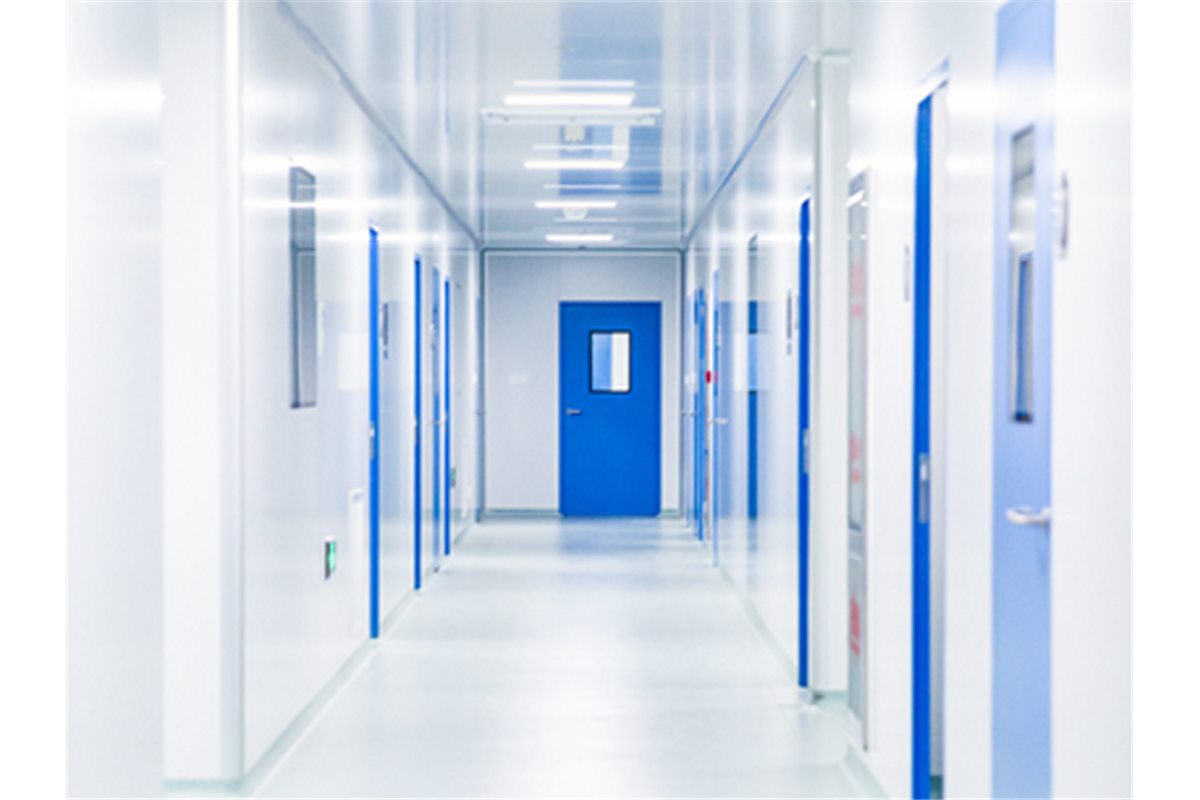
An installed door shows coordination with cleanroom wall panels and adjacent glazing.A clean corridor demonstrates consistent door alignment, wall finish and service access.
Yes. The frame depth and fixing detail are selected to match the panel thickness and finished wall build-up.
02
Is a door-bottom seal available?
A concealed automatic drop seal can be fitted to reduce the floor gap when the leaf closes. The floor must be level for consistent contact.
03
Can access control be prepared in the factory?
Yes. Reinforcement, cable routes, lock cut-outs and contacts can be coordinated for card readers, electromagnetic locks and interlock systems.
04
What glass is used in the view window?
Double tempered glass is commonly used, with clear, ultra-clear or project-specific glazing options. The window can have square or rounded corners.
05
How is the door protected during shipment?
Leaves and frames are wrapped separately with protected corners and hardware packaging. Opening labels should correspond to the room and door schedule.