Static clean room pass box with stainless interior, interlocked doors and optional UV or airflow functions for controlled material transfer between rooms.
CategoryClean Room Systems / ProductResponse24h online serviceExport80+ countries and regions
UV lamp, buzzer, timer, HEPA airflow or pressure indication
Mounting
Built into clean room panel wall
Power supply
Project voltage for electronic options
Applications
Pharmaceutical, laboratory, food and electronics material transfer
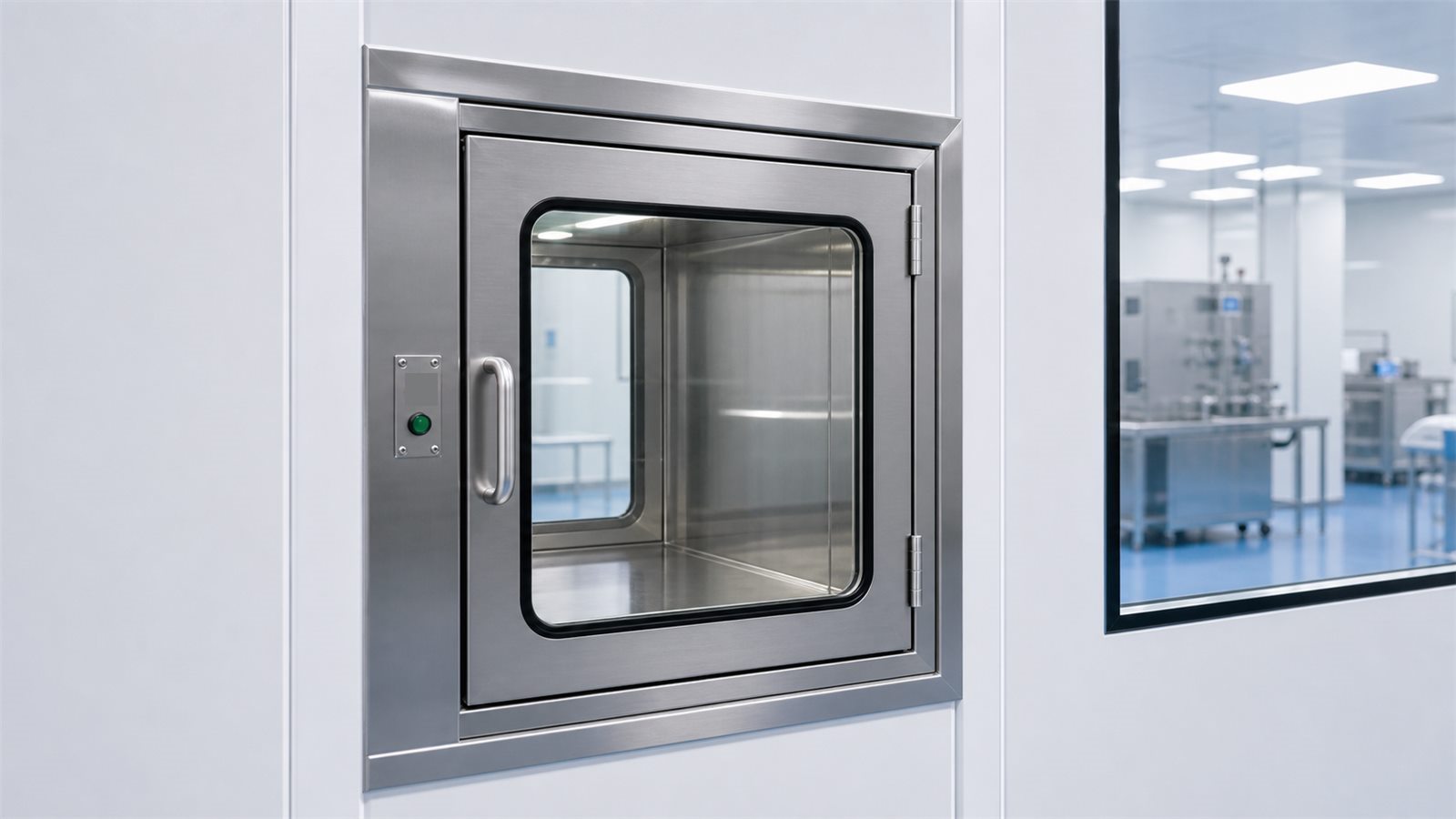
An interlocking clean room pass box transfers small materials without requiring personnel to cross the room boundary. Only one door can open at a time, helping the operating procedure maintain separation between the two spaces.
The stainless chamber is shaped for routine wiping and inspection. Chamber size, wall thickness, transfer load and decontamination method should be confirmed before the wall panels are manufactured.
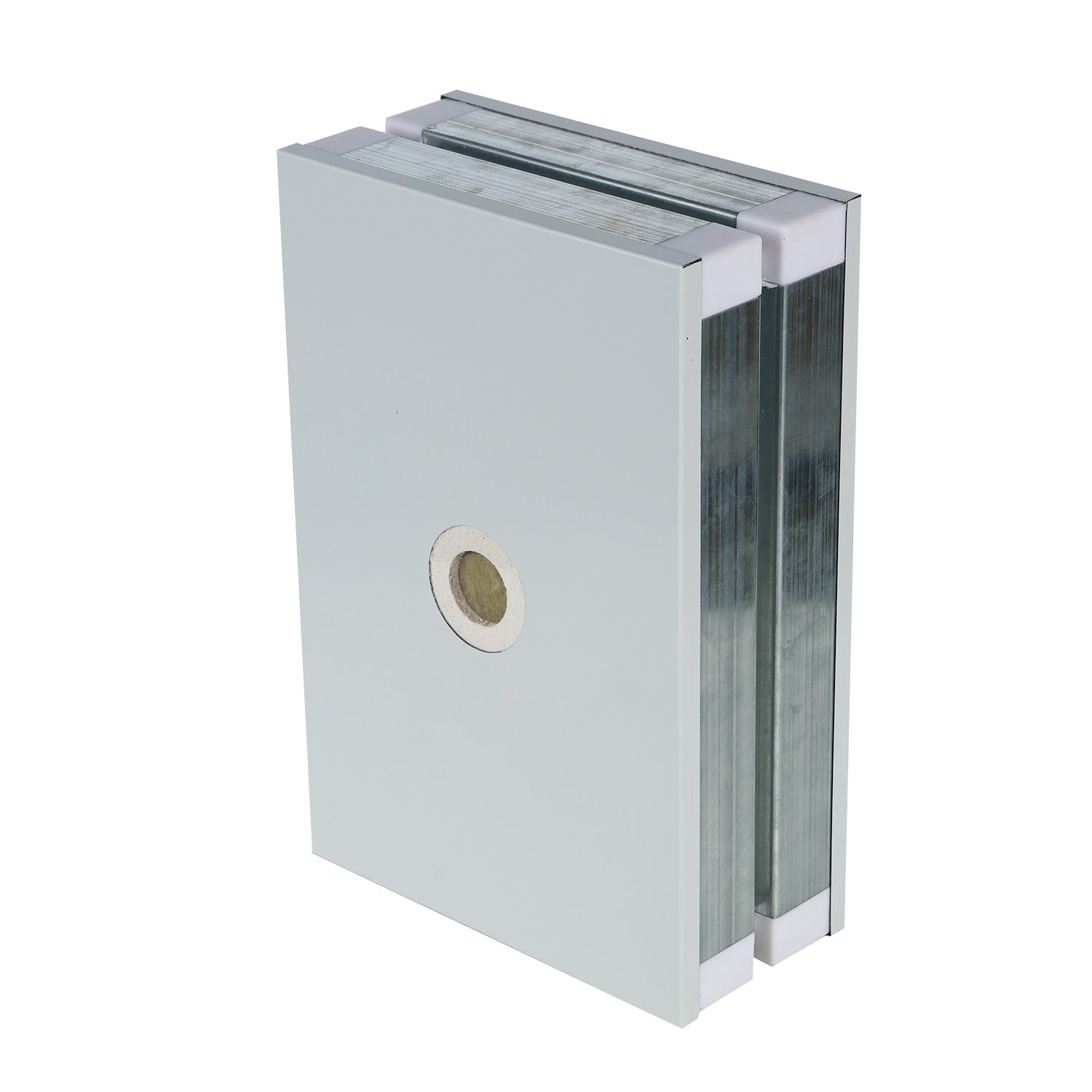
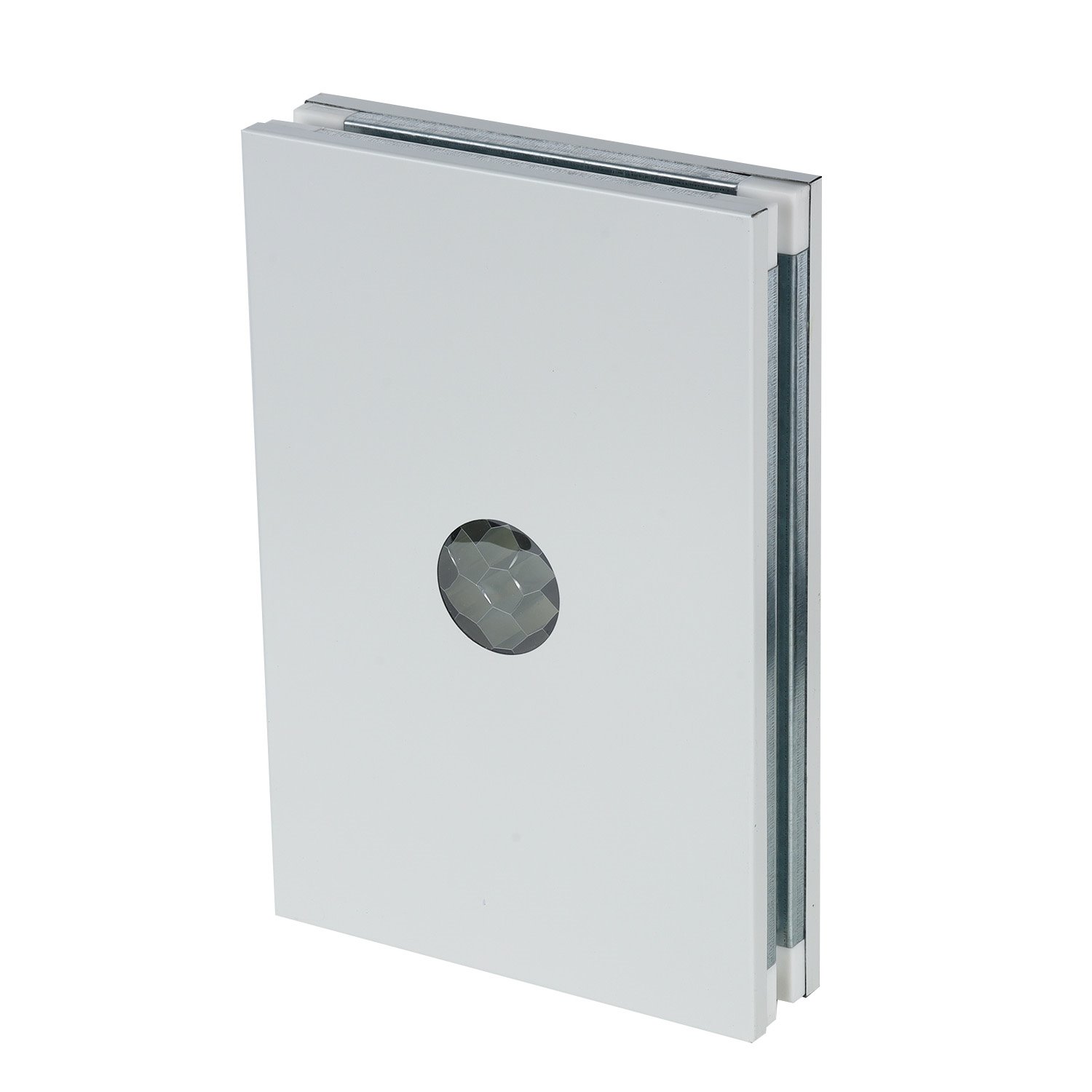
A flush wall opening illustrates the type of sealed interface required around a pass box.
Controlled transfer through an interlocked chamber
The sending-side operator opens one door, places the item inside and closes it. The receiving-side door is released only after the first door is confirmed shut. Electronic systems can add status lights, a buzzer or timed release to support the site procedure.
A pass box is not a substitute for a validated material-transfer process. Cleaning, wrapping and hold time should be defined by the facility, while the equipment provides a physical controlled interface.
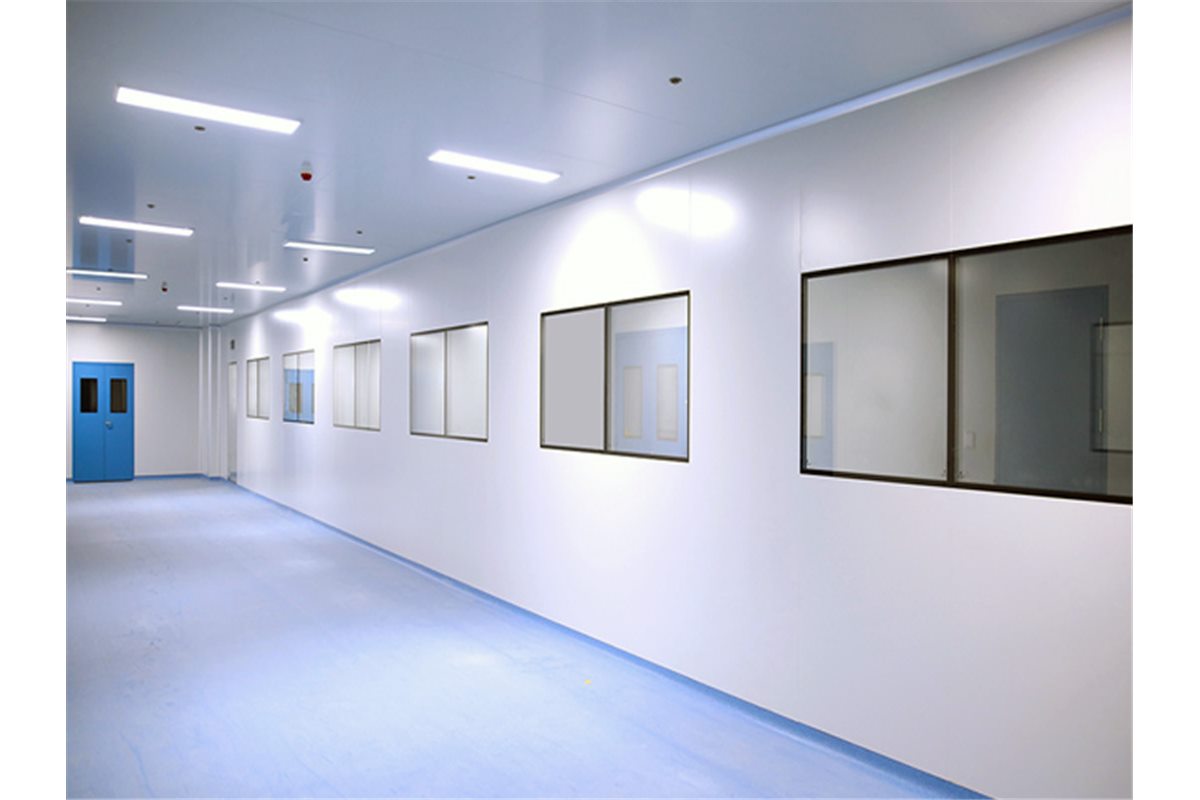
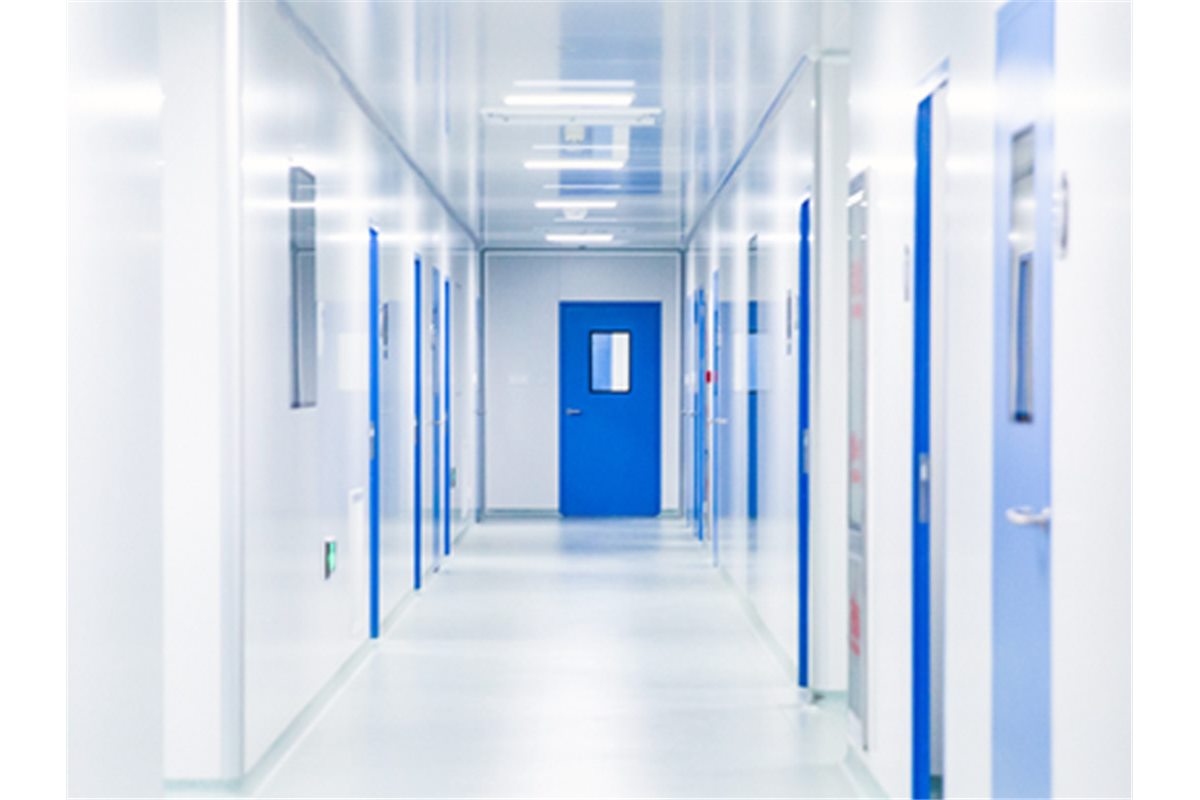
Cleanroom corridors require the transfer opening, wall module and surrounding seals to be coordinated together.
Wall integration and option selection
The frame must match the finished wall thickness and be supported independently where the chamber is large or heavily loaded. Seals around the opening should be accessible for inspection. Electrical cables for interlock, UV or airflow options are coordinated before installation.
UV lamps may be requested, but their effectiveness depends on exposure, shadowing and maintenance. Dynamic airflow or HEPA-filtered pass boxes are considered where the risk assessment requires active air control rather than a static chamber.
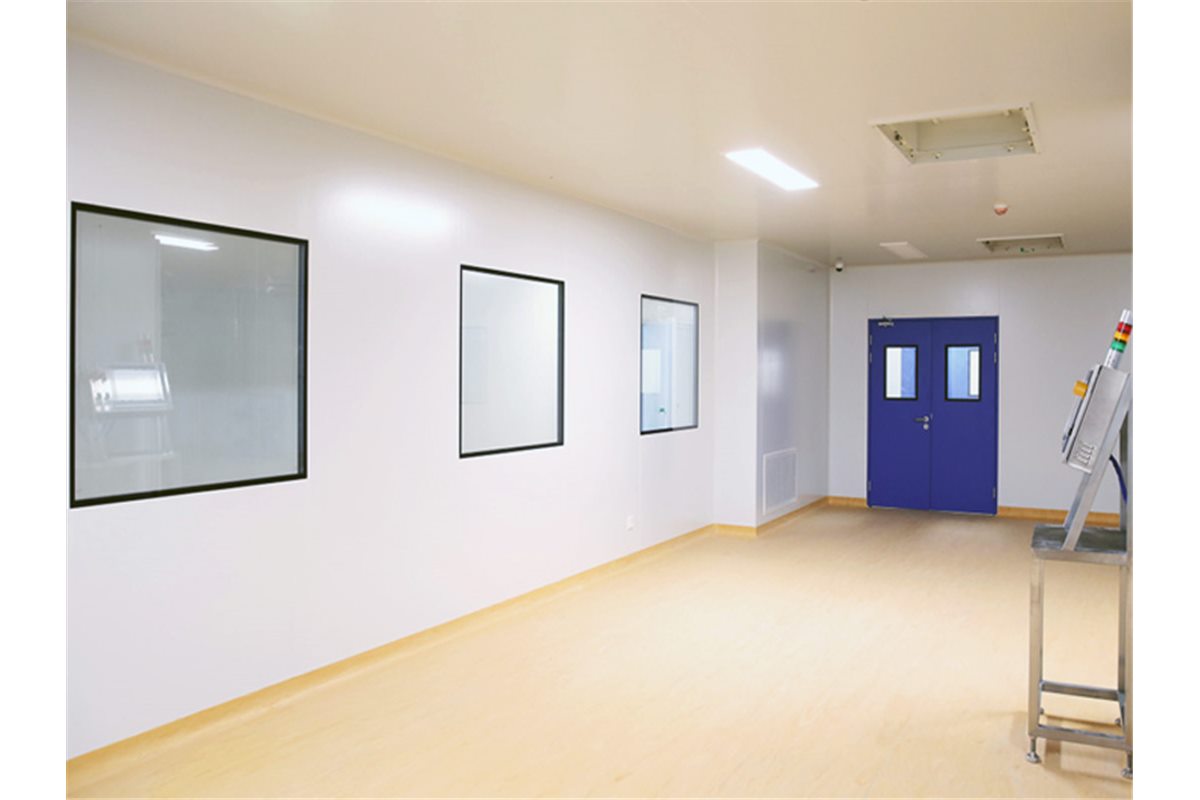
Door and wall integration provides a practical reference for pass-box frame coordination.
Typical facilities
Pass boxes are used between weighing and production rooms, laboratories and corridors, component preparation areas and clean packaging zones. Stainless construction is especially useful where frequent disinfecting is part of the transfer routine.
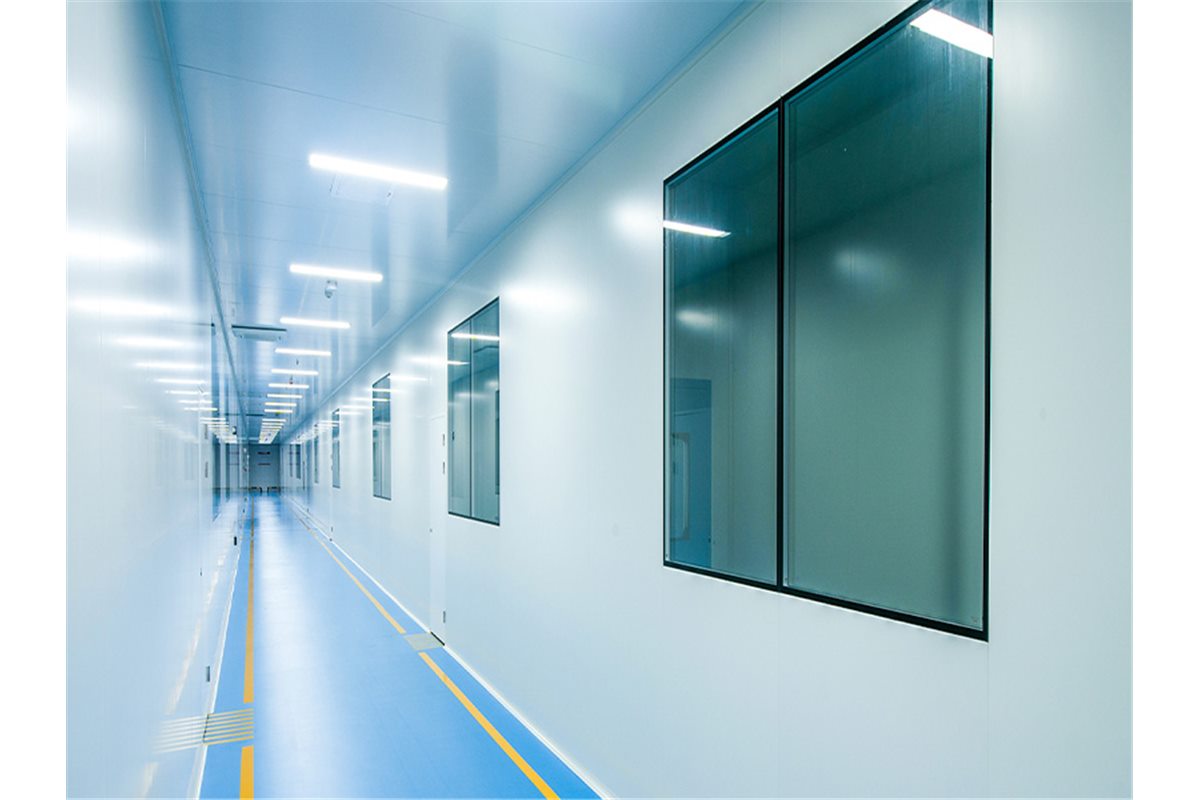
A controlled corridor shows the cleanable environment where interlocked transfer equipment is used.An electronics cleanroom application demonstrates the need to move materials without unnecessary personnel traffic.
It prevents both pass-box doors from being opened at the same time, supporting separation between the connected rooms.
02
Is an electronic interlock better than a mechanical one?
Electronic systems provide indicators, alarms and control options. Mechanical interlocks are simpler and do not require power. The choice depends on the operating procedure.
03
Can a pass box include HEPA-filtered airflow?
Yes. A dynamic pass box can add a fan and HEPA filtration when active particle control is required. Airflow direction and validation points must be specified.
04
How is the pass box supported in a panel wall?
The opening is reinforced and the unit is fixed to a suitable frame. Larger or heavily loaded chambers may need independent structural support.
05
Can the chamber dimensions be customized?
Yes. Provide the maximum item size, transfer weight, wall thickness and available service space so the chamber and frame can be sized correctly.