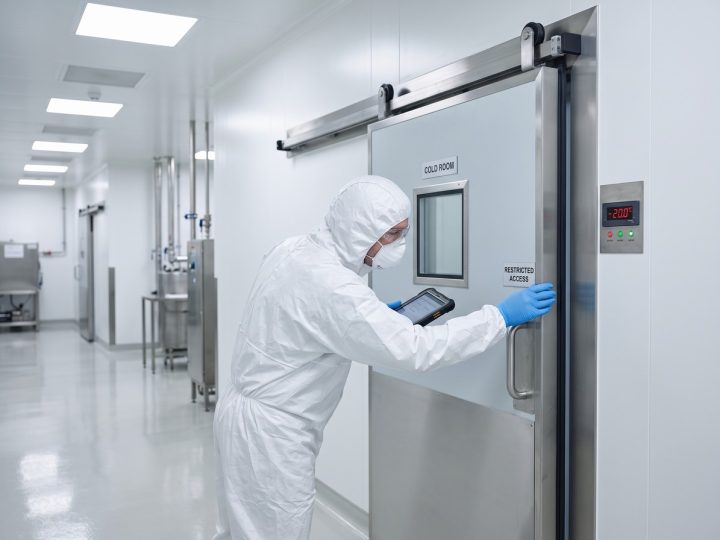
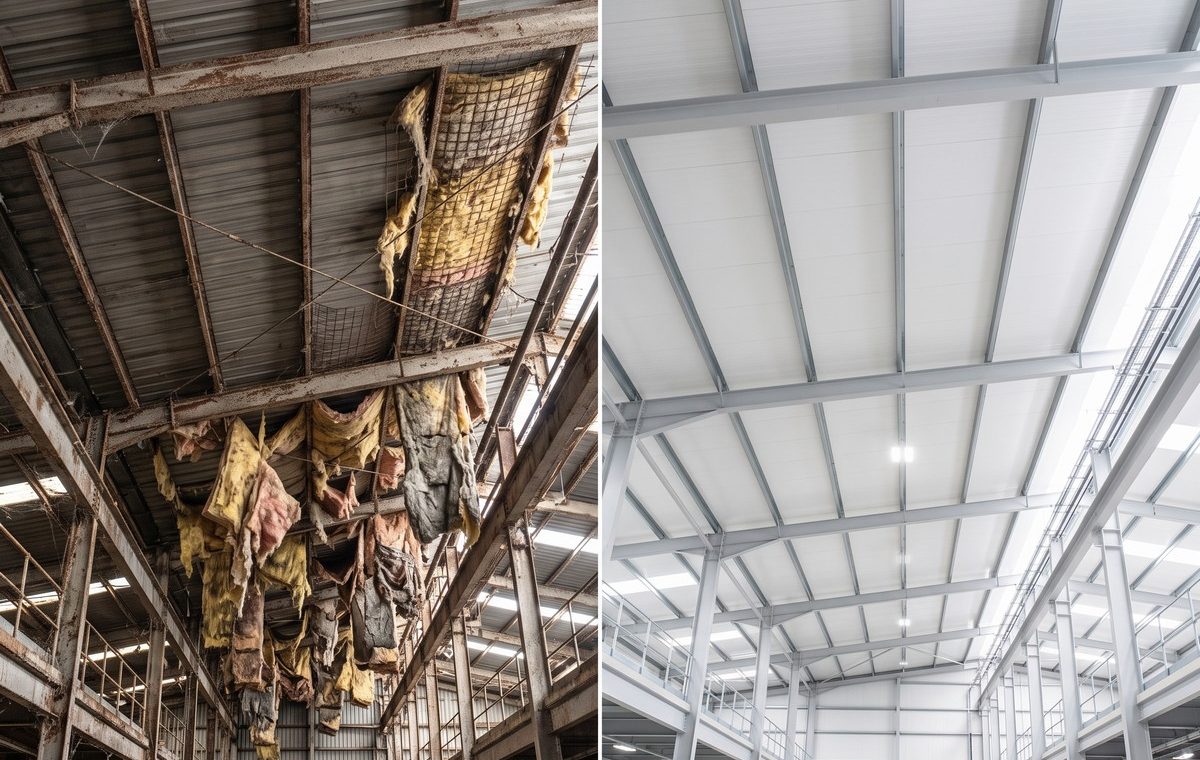
Two years ago, I was called into a regional vaccine and blood plasma distribution center that had just failed its pre-audit inspection. The contractor had built their +2°C to +8°C medical cold rooms using standard commercial panels meant for a fruit market. After fourteen months of humid summer air hitting the cold doorway and daily alcohol wipe-downs, the cheap polyester paint was bubbling at the seams, and black condensation mold had started creeping along the floor track. They had to halt shipments and rip out 1,200 square meters of panels.
Medical and pharmaceutical cold storage is a completely different world from standard food warehousing. When you are storing insulin, biologics, mRNA vaccines, or blood plasma, a two-degree temperature swing or a microscopic patch of mold doesn’t just spoil a pallet of produce—it ruins life-saving medicine and costs the operator their GMP license.
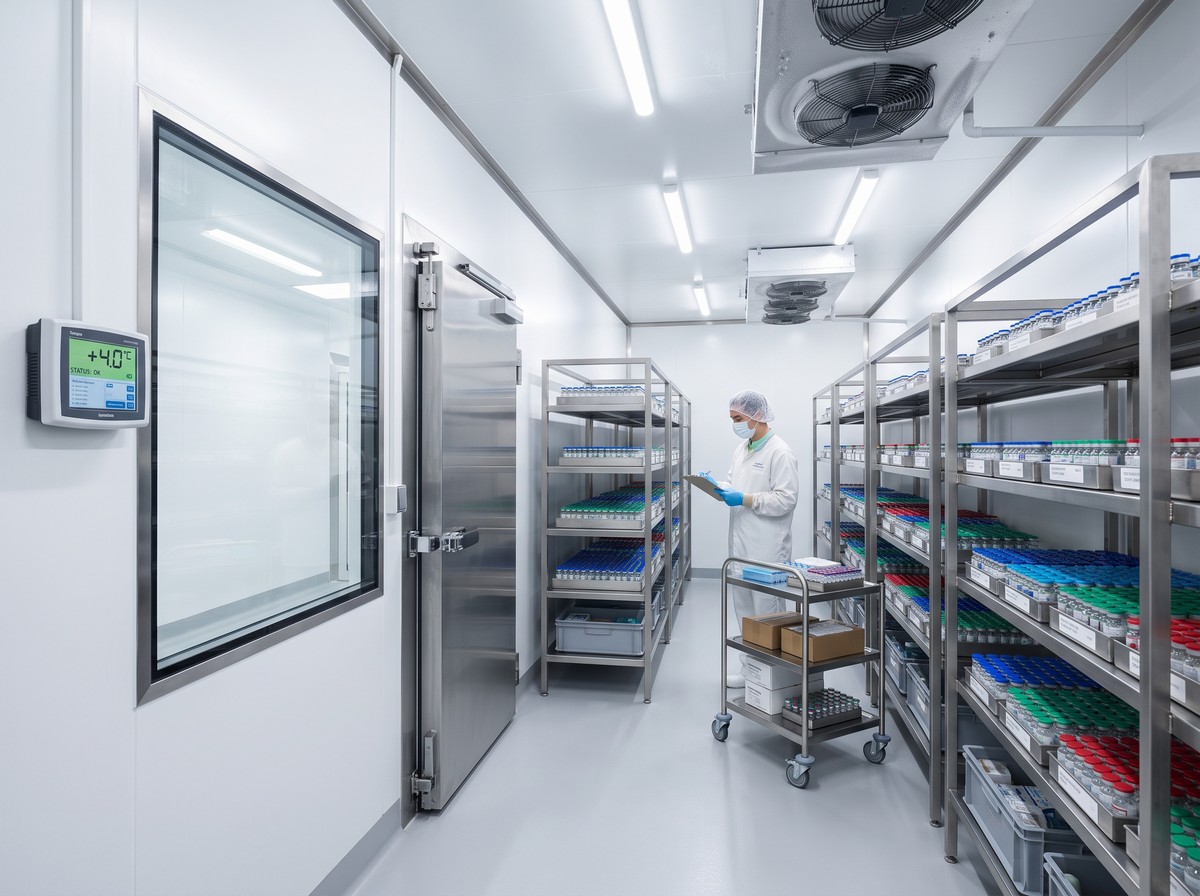
Why do pharmaceutical cold rooms fail? Because buyers treat thermal insulation and cleanroom hygiene as two separate problems. In reality, your panel has to solve both at the exact same time.
Start with the thermal core. Standard polyurethane (PU) handles temperatures from -50°C to +80°C and lasts about 8 to 15 years. That works fine for a temporary chiller, but for a hospital or pharma hub built to run for 20+ years, Polyisocyanurate (PIR) is the smarter engineering pick. High-density PIR handles extreme temperatures from -100°C up to +120°C, keeps thermal conductivity down at 0.020 to 0.022 W/(m·K), and delivers a strict B1 flame-retardant rating. And where municipal fire codes demand a non-combustible Class A envelope around packaging suites or corridors, pairing the cold room with rock wool handmade cleanroom panels gives you 60 to 120 minutes of fire protection with four-side steel keel rigidity.
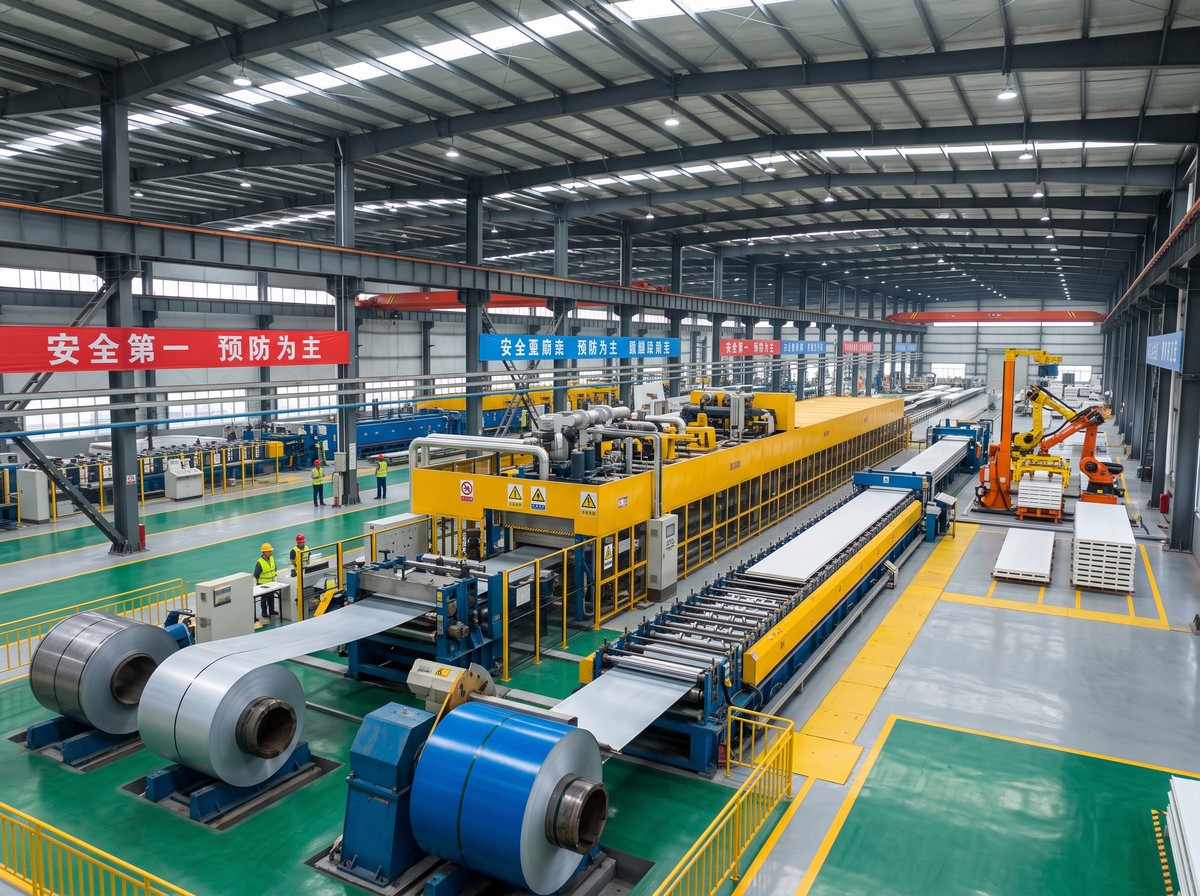
Next is the surface skin. Inside a medical cold room, your walls face two enemies: constant high humidity and harsh chemical sanitizers like isopropyl alcohol and Vaporized Hydrogen Peroxide (VHP). Standard PE paint will yellow and flake. For general medical storage, specify Z275 galvanized steel with an antibacterial PVDF coating. For sterile GMP Grade A/B zones or plasma freezers, step up to 304 or 316L stainless steel skins. Seal every tongue-and-groove joint with medical-grade silicone, add flush observation windows, and finish the floor junctions with coved aluminum corners so dust and moisture have zero place to hide.
Frequently Asked Questions (FAQ)
Q: What panel thickness is required for a +2°C to +8°C pharmaceutical vaccine cold room?
A: For +2°C to +8°C medical and vaccine cold rooms, 75mm to 100mm PIR sandwich panels are standard. For -20°C to -30°C blood plasma and reagent freezers, specify 150mm to 180mm PIR panels with dual-seal labyrinth joints.
Q: Why do pharmaceutical facilities prefer PIR over standard PU for cold storage panels?
A: PIR offers a wider operating temperature range (-100°C to +120°C vs -50°C to +80°C for PU), a longer service life of 15 to 25 years, lower thermal conductivity (0.020–0.022 W/m·K), and a B1 self-extinguishing fire rating that meets hospital and pharma insurance rules.
Q: Can cleanroom rock wool panels and PIR cold room panels be used together in the same pharma plant?
A: Yes, that is standard practice. High-density PIR panels form the airtight thermal shell of the refrigerated chambers, while Class A handmade rock wool panels form the surrounding GMP clean corridors, airlocks, and fire-rated partition walls.
Q: How do you prevent condensation around pharmaceutical cold room doors and windows?
A: Install flush double-glazed tempered glass windows filled with internal desiccant strips and perimeter thermal breaks, and equip cold room doors with low-voltage anti-sweat heater wires along the frame perimeter.
Q: What certifications should pharmaceutical cold room and cleanroom panels carry?
A: Look for CE marking (EN 14509), FM or UL fire approvals, ISO 9001 quality management, and third-party lab reports verifying B1 (for PIR) or Class A1 (for rock wool) fire performance and non-toxic smoke ratings.