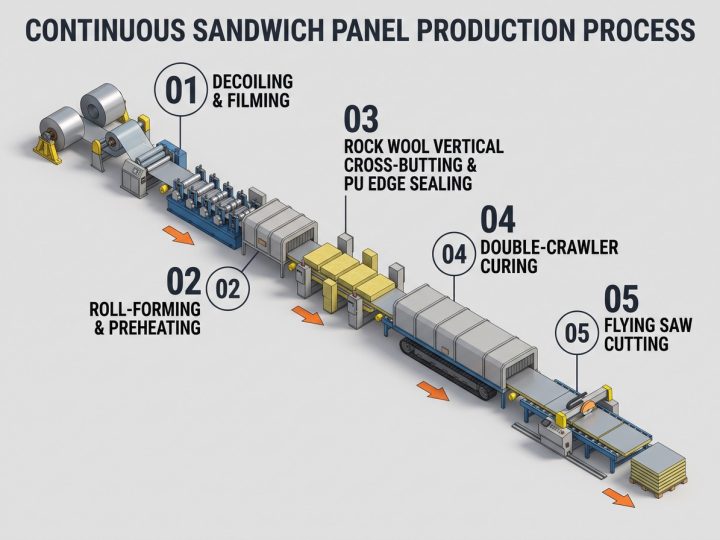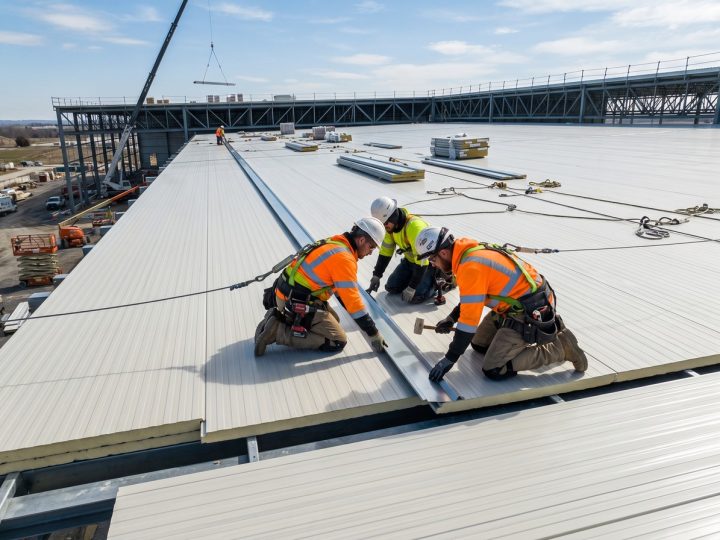
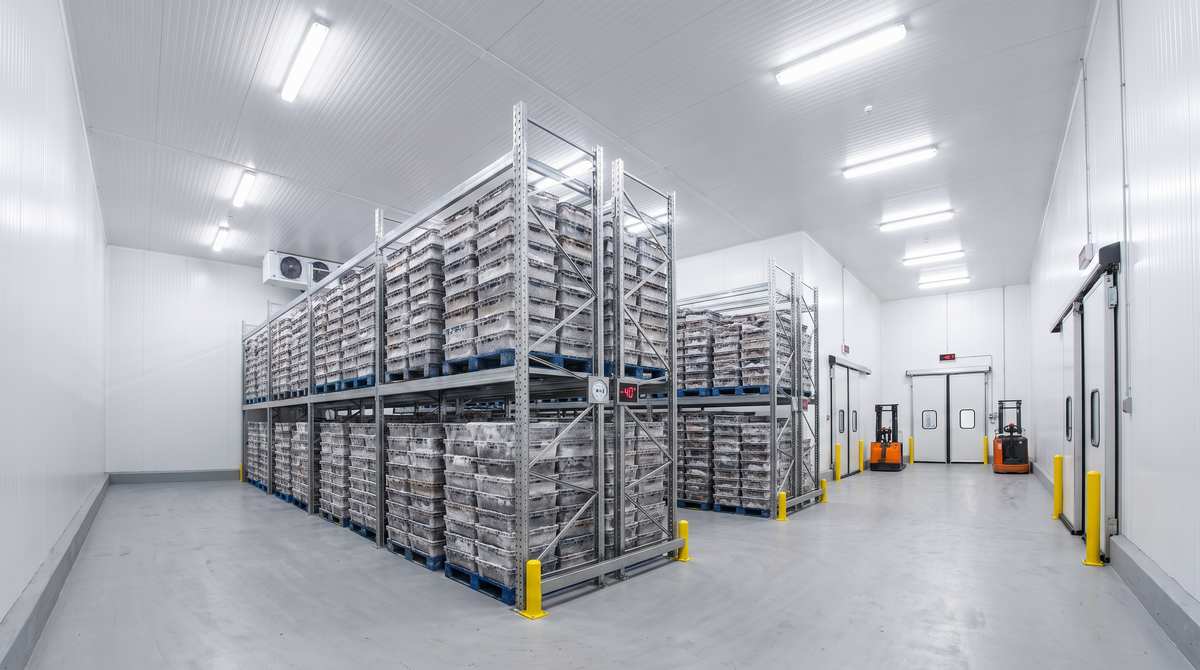
Developing cold storage logistics in equatorial and tropical regions—such as Indonesia, the Philippines, Thailand, and Vietnam—presents one of the most punishing environments in thermodynamic engineering. As noted in expansion updates from regional logistics leaders SCGJWD Regional Logistics Reports (https://investor.scgjwd.com/en/updates/press-releases/393/sjwd-implements-roadmap-to-expand-cold-storage-investment-base-from-clmv-china-to-high-potential-asean-countries-namely-indonesia-the-philippines-malaysia-and-singapore-creating-regional-clusters-stronger-asean-cold-storage-hub-position) and facility operational studies by the Global Cold Chain Alliance (GCCA) (https://www.gcca.org/magazine-article/driving-the-cold-chain/), modern multi-temperature distribution hubs are expanding rapidly across Southeast Asia. However, facilities face severe exterior ambient conditions: year-round temperatures of +35°C to +40°C paired with persistent relative humidity exceeding 85% to 95%.
| Tropical Engineering Metric | Standard Commercial Cold Panel | Tropical-Grade PIR Envelope System |
| Vapor Pressure Differential | > 4.5 kPa driving vapor through seams | Sealed hermetically (< 0.05 perm) |
| Exterior Steel Coil Coating | Regular Polyester (PE 15-20 µm) | Heavy-Duty PVDF / HDP (25-35 µm) |
| Core Moisture Permeation | Open-cell absorption (> 2.5% vol) | Closed-cell hydrophobic (< 0.5% vol) |
| Joint Sealing Technology | Single dry silicone line on site | Factory dual EPDM + thermal break |
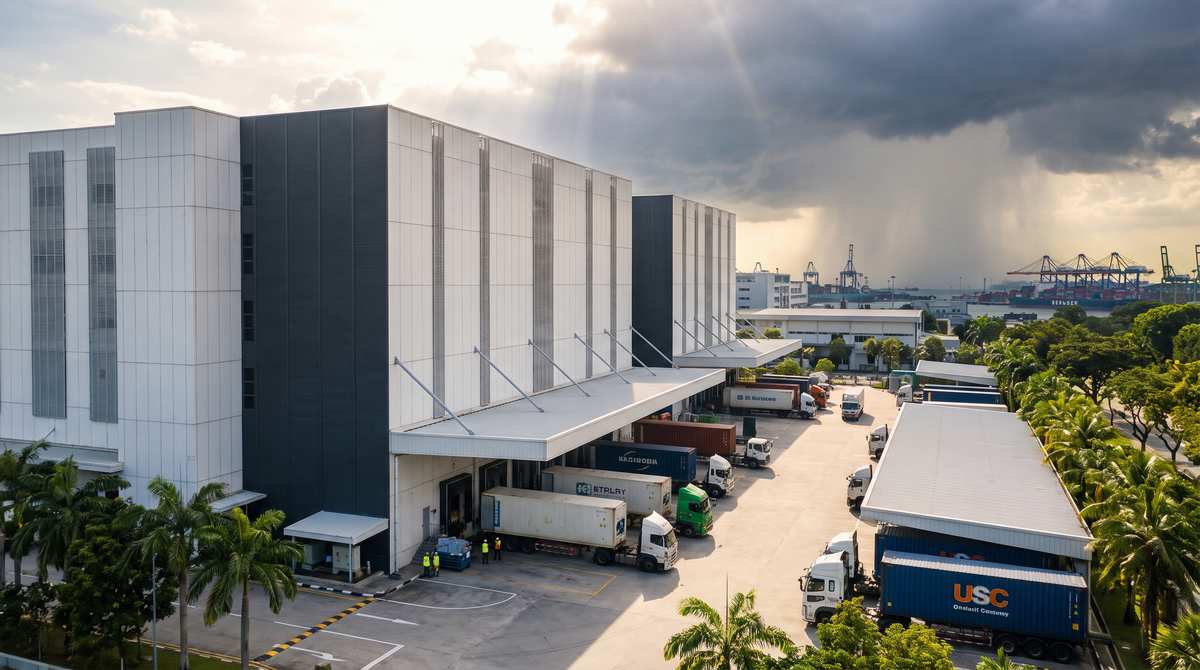
The primary engineering threat in tropical cold rooms is vapor pressure gradient. When an external tropical atmosphere (+35°C, 90% RH) encounters a blast freezer interior operating at -22°C, a continuous vapor pressure differential of over 4.5 kPa exerts relentless force inward. Water vapor molecules are physically smaller than air molecules; without an unbroken barrier, moisture penetrates through joint micro-fractures, condensing inside the insulation core. In conventional expanded polystyrene (EPS) or open-cell polyurethane, trapped water freezes, breaks cell walls, and causes irreversible panel waterlogging, destroying thermal insulation within two monsoon cycles.
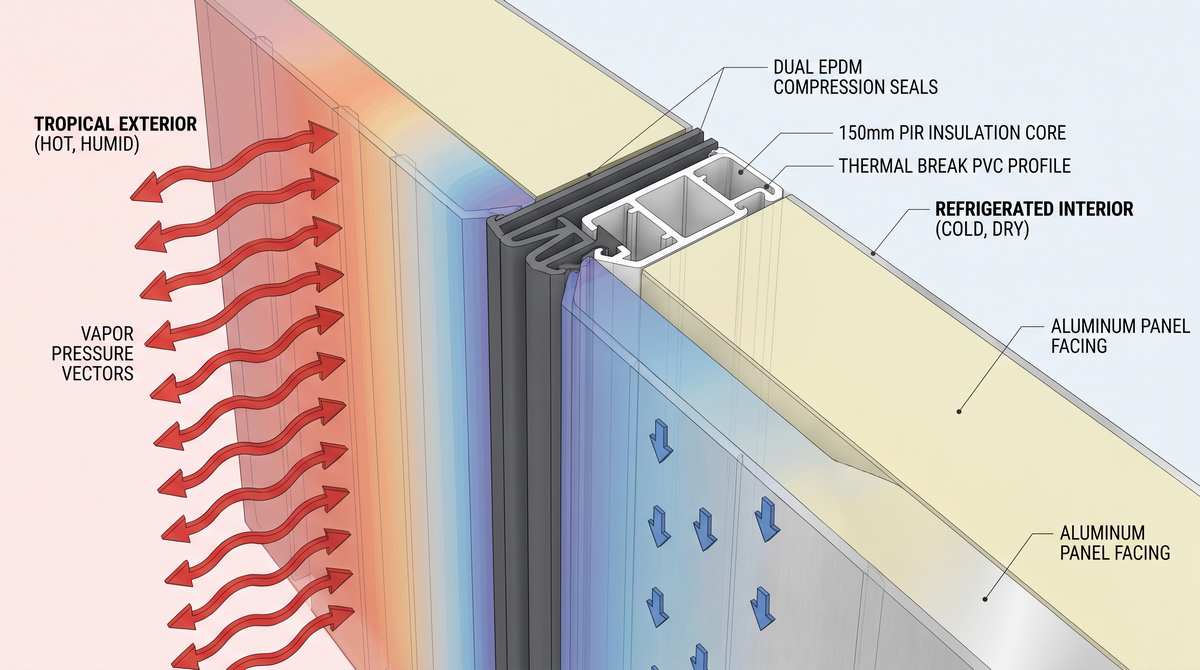
Continuous Polyisocyanurate (PIR) panels resolve this via rigid closed-cell foam architecture. Boasting a closed-cell ratio > 95%, the core absorbs virtually zero water even under sustained immersion. The joint design utilizes deep tongue-and-groove geometry with integrated dual-track synthetic EPDM gaskets. When locked tightly with internal eccentric cam mechanisms, the interface blocks both convection airflow and microscopic moisture vapor transmission. Furthermore, rigid PVC thermal break profiles eliminate any metal-to-metal thermal contact between the hot exterior skin and the sub-zero interior facing.
Corrosion resistance completes the tropical defense. High ambient salinity in maritime logistics hubs, combined with persistent condensation, rapidly oxidizes standard commercial steel coils. Tropical-grade cold storage panels utilize hot-dip galvanized steel substrates (zinc coating ≥ 180 g/m² or AZ150 zinc-aluminum-magnesium alloy) primed and roll-coated with High-Durability Polyester (HDP) or Polyvinylidene Fluoride (PVDF) paints. This barrier resists salt spray for over 1,000 hours without blistering. Sourcing direct from high-capacity manufacturing lines provides developers with Lloyd’s-tested B1 fire-retardant panels, custom transit packaging for humid ocean voyages, and verified structural integrity.