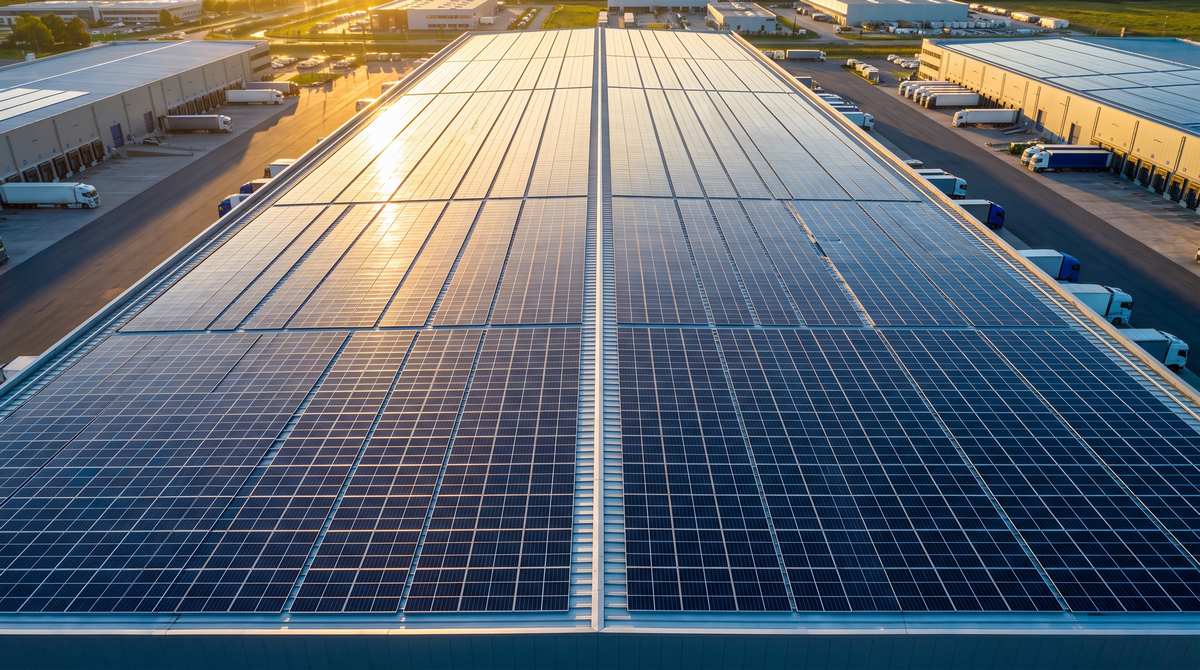
The global commercial transition toward rooftop distributed photovoltaics (Building Integrated Photovoltaics – BIPV) is accelerating at a breakneck pace. Driven by soaring industrial electricity tariffs and global net-zero ESG mandates, industrial facility roofs are being transformed from passive weather shelters into active energy-generating power plants. However, as documented by technical solar engineering reports from the Global Cold Chain Alliance (GCCA) (https://www.gcca.org/magazine-article/driving-the-cold-chain/) and industrial building envelope analyses from Grand View Research (https://www.grandviewresearch.com/industry-analysis/structural-insulated-panels-market), retrofitting standard industrial metal roofs with heavy solar modules frequently triggers catastrophic structural failures: chronic roof penetration leaks, localized sheet tearing during storms, and destructive thermal bridging.
| Roof Performance Factor | Conventional Screw-Down Metal Sheet | 360° Standing Seam Sandwich Roof |
| Solar Clamping Method | Through-fastened self-drilling screws | Non-penetrating seam clamps |
| Roof Water-Leakage Risk | High (Thousands of screw holes) | Zero (No roof penetrations) |
| Wind Uplift Resistance | Moderate (Screw pull-out risk) | Extreme (Tested to UL 580 Class 90) |
| Fire Rating under Solar PV | Dependent on separate insulation | Class A / B1 Continuous Core Firestop |
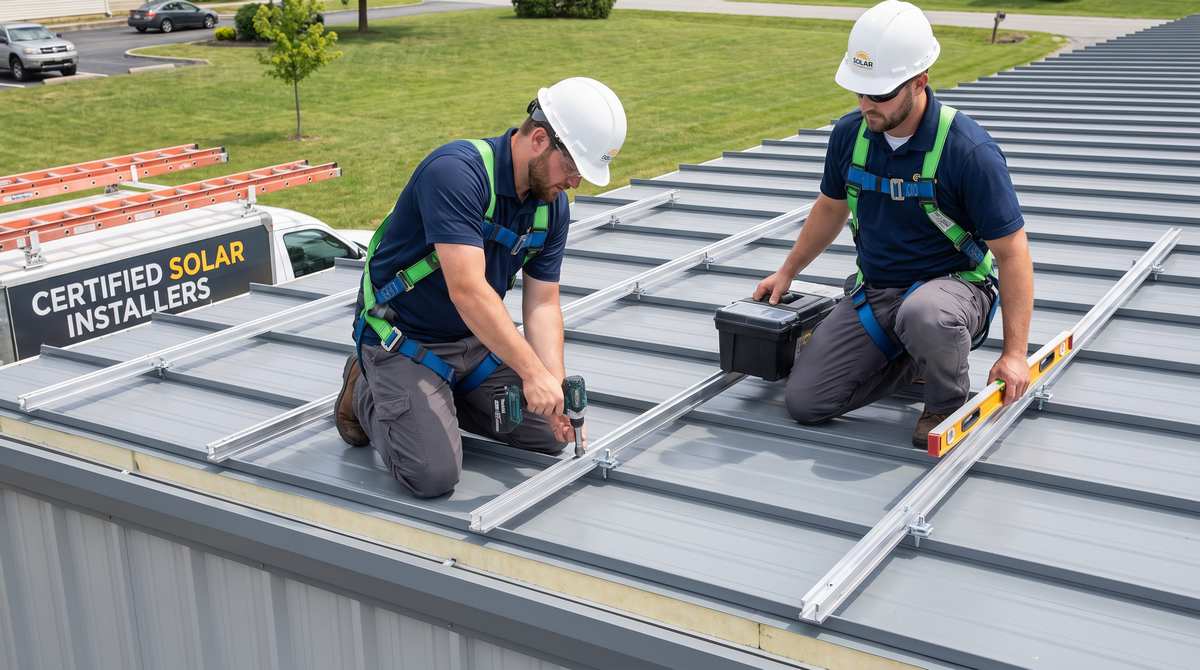
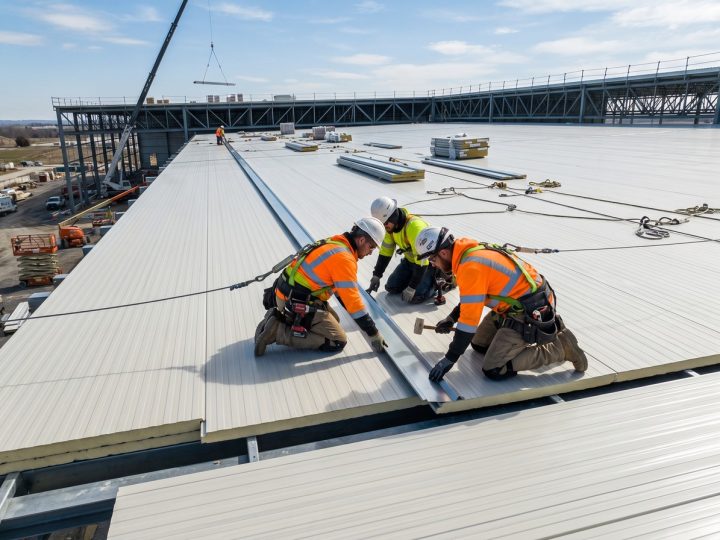
The fatal flaw of traditional solar roof mounting is through-fastener penetrations. A standard 10,000-square-meter warehouse roof typically requires tens of thousands of self-drilling screws to secure mounting rails. Over years of seasonal thermal expansion and wind-induced cyclic vibrations, neoprene washer gaskets harden and crack, enlarging screw penetrations and allowing driving rainwater to infiltrate internal warehouse storage. Engineered BIPV-ready roof systems manufactured by hihsteel.com Sandwich Roof Panels eliminate this vulnerability completely by utilizing 360° mechanically seamed vertical ribs. High-tensile aluminum alloy clamps grip directly onto the standing seams with zero penetrations into the panel skin.
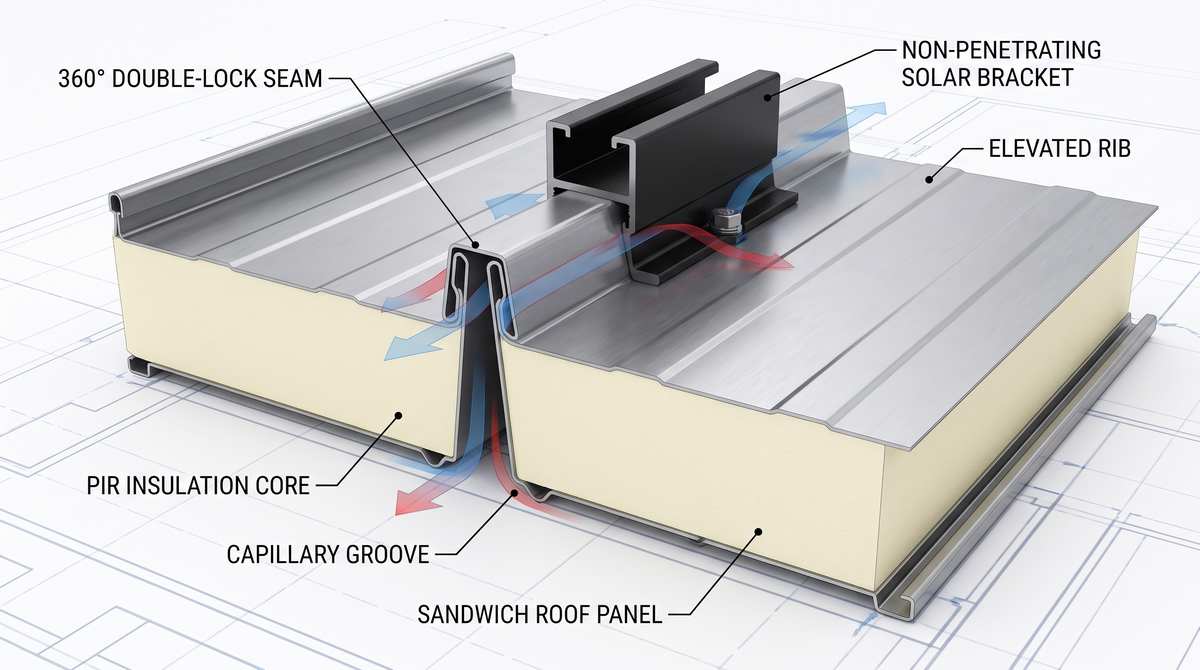
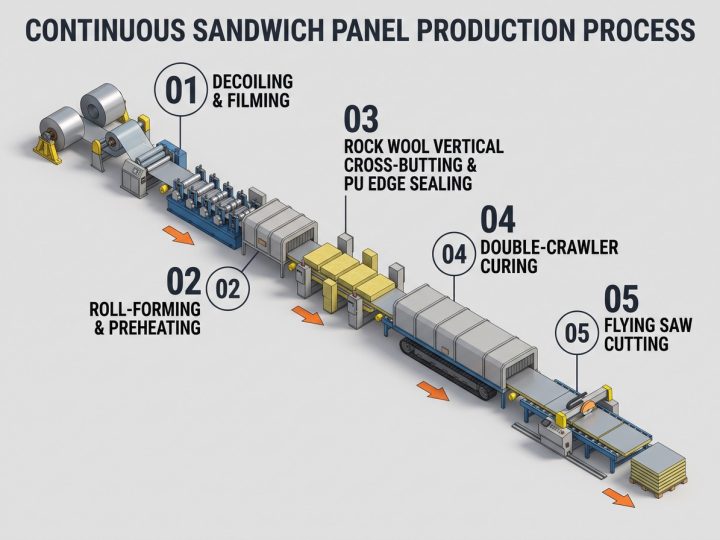
Beyond eliminating water leaks, structural load-bearing capacity dictates commercial safety. Rooftop solar panels add 15 to 25 kilograms of dead load per square meter, alongside severe dynamic wind-uplift pressures during typhoons. Standard single-skin sheets deform easily under these combined forces. High-rigidity sandwich roof panels integrate corrugated high-tensile galvanized outer steel skins (0.6 mm to 0.8 mm) securely bonded to high-density Polyisocyanurate (PIR) or Class A basalt rock wool cores. This composite ‘sandwich’ structure acts as a deep I-beam section, resisting negative wind suction pressures exceeding 3.5 kPa (tested per ASTM E1592 standards) across wide secondary purlin spans.
Finally, fire safety beneath photovoltaic arrays cannot be compromised. Solar electrical faults can ignite localized arc flashes on roof surfaces. Utilizing fire-resistant PIR or non-combustible rock wool core sandwich panels provides an impenetrable physical firebreak that chokes off oxygen and prevents internal building collapse. For EPC contractors and industrial developers building long-term solar assets, sourcing factory-direct standing seam sandwich panels guarantees complete system compatibility—including customized seam-matching mounting clamps, pre-punched eaves trims, and full containerized export support.