⚠️ Taiwan Earthquake Fact File
📍 Location: Hualien offshore and eastern seismic belt, Taiwan
🎚️ Magnitude: Mw 7.4 (Maximum intensity 6+)
⏱️ Date & Climate: April 3, 2024. Taiwan’s eastern corridor is a hyper-active tectonic collision zone that also sits squarely in the path of Category 5 summer super-typhoons.
💥 Impact: Lower-floor concrete columns underwent massive shear crushing, causing older residential and commercial buildings to tilt dangerously or collapse entirely.
🏚️ Failure Mode: Extreme peak horizontal accelerations wildly surpassed the brittle limits of cast-in-place concrete. Furthermore, subsequent heavy summer typhoon winds frequently exploit earthquake damage, tearing off loosened metal roofs.
🏗️ Reconstruction: A mandatory structural shift to highly ductile steel frames that flex and absorb energy without failing. Utilizing rigid EPS composite metal roof panels to drastically reduce structural seismic mass while providing a stiff, aerodynamic barrier against massive typhoon uplift.
The Mw 7.4 earthquake that struck offshore Hualien, Taiwan on April 3, 2024, represented the most violently destructive seismic event on the island in 25 years. Across eastern Taiwan’s vital industrial zones and infrastructure corridors, post-earthquake structural forensics revealed severe shear fracturing in lower-floor concrete columns, extensive buckling of non-ductile structural walls, and the catastrophic tearing of rigid light-industrial roof envelopes.
Located directly at the brutal convergence boundary of the Philippine Sea Plate and the Eurasian Plate, Taiwan’s high-tech industrial operations cannot afford to deploy structural systems that risk total collapse under peak horizontal ground accelerations drastically surpassing 0.4g.
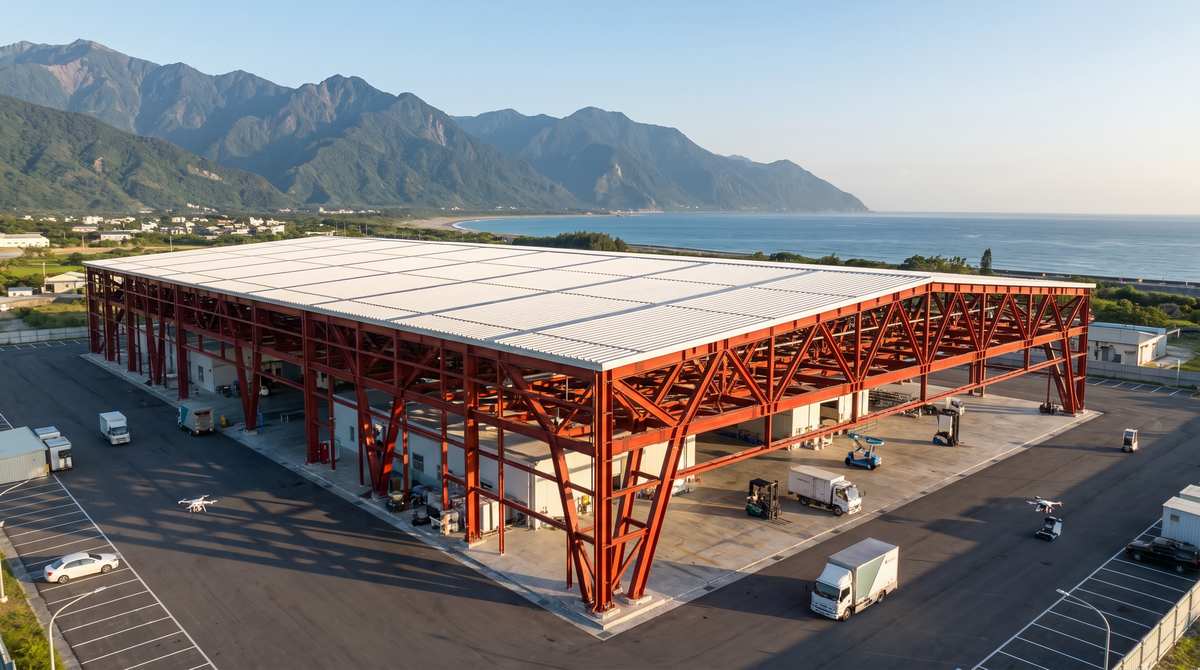
Operating as an expert trade supplier for advanced Asian construction markets, we deliver high-ductility Pre-Engineered Steel Buildings strictly tailored for extreme tectonic and aerodynamic stress. The foundational structural advantage of our portal frame buildings lies in their extremely high ductility factor. This allows steel structural members to undergo substantial inelastic hysteretic deformation, safely absorbing intense seismic kinetic energy.
Our Q345B steel portal frames utilize precision-engineered tapered rafter knees secured with Grade 10.9S high-strength bolts. These heavy-duty bolted connections form highly reliable plastic hinges during extreme seismic drift, securely safeguarding the vertical column envelope from buckling and preventing total frame collapse.
Yet, structural frame survival is only half the battle. In Taiwan, major subduction earthquakes are inevitably followed by brutal summer super-typhoons. If an earthquake laterally racks a building and loosens conventional screw-down roof fasteners, subsequent typhoon winds will effortlessly exploit the weakened holes and peel the roof cladding off entirely.
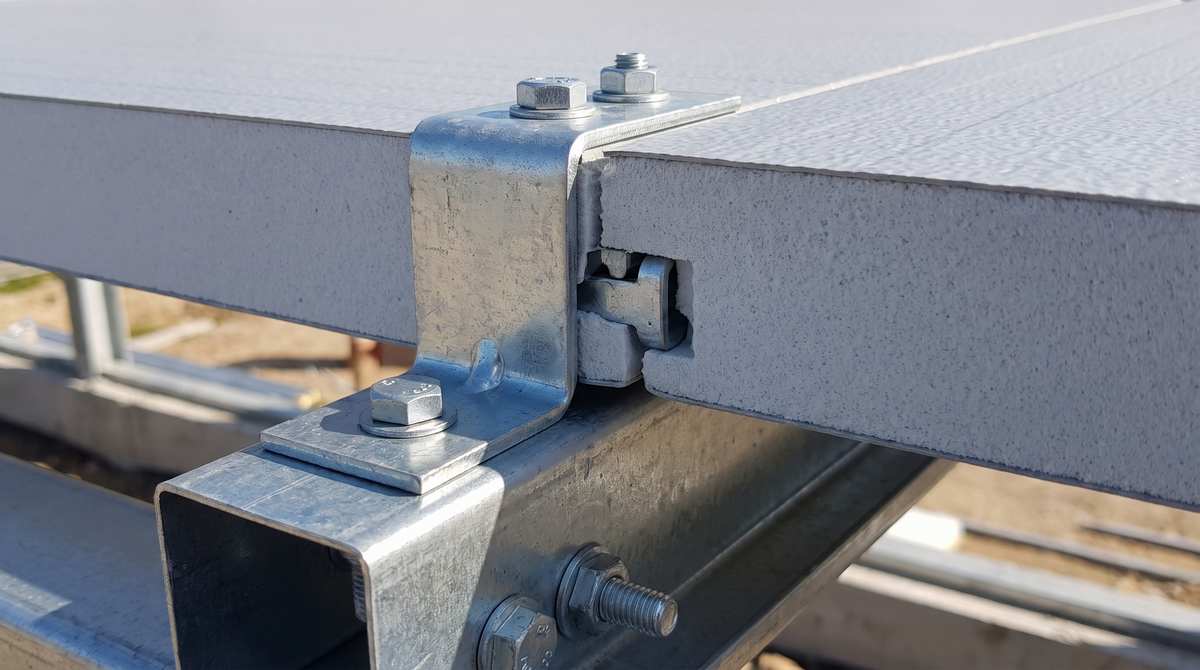
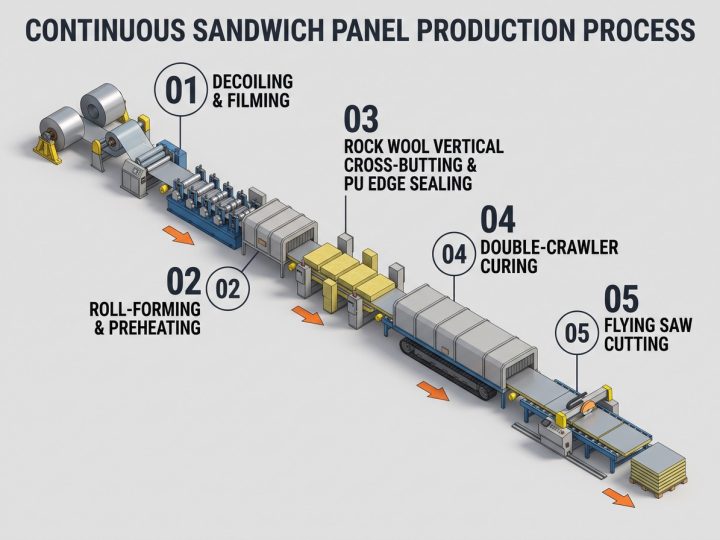
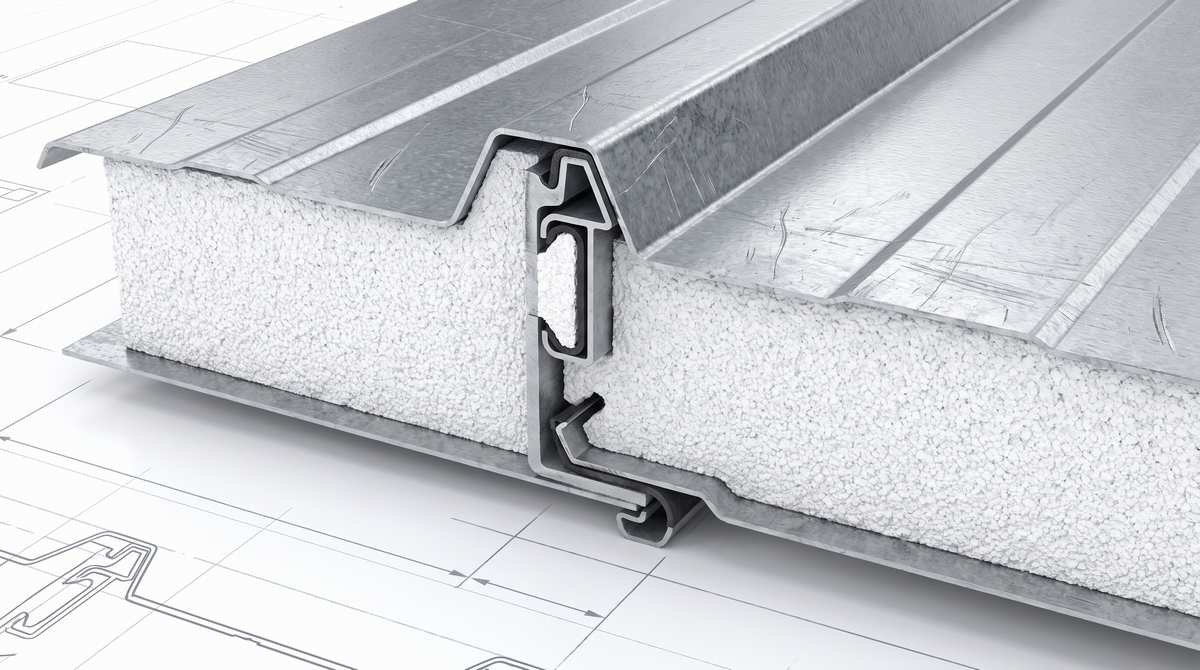
To fortify the building envelope both powerfully and cost-effectively, we highly recommend integrating EPS (Expanded Polystyrene) Composite Metal Roof Panels. EPS sandwich panels are exceptionally lightweight, meaning they contribute virtually zero dead-weight to the critical seismic base shear calculations. Despite their extreme lightness, the chemical composite binding of the dense EPS core to the upper and lower galvanized steel skins creates a highly rigid, structural load-bearing panel.
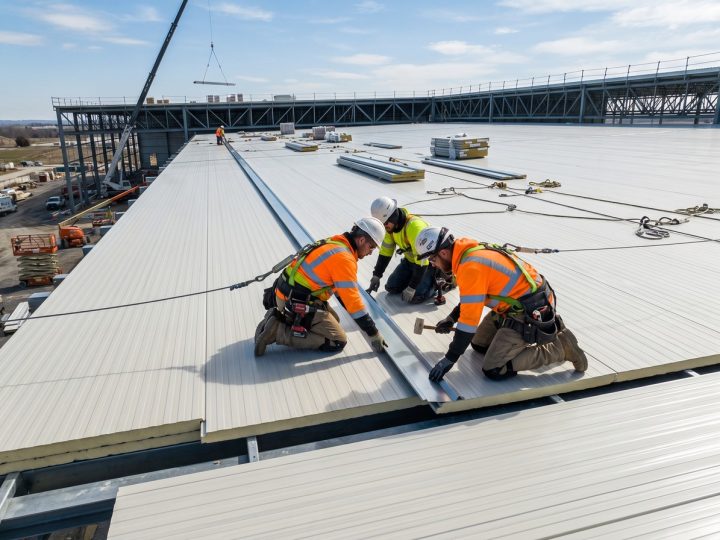
This absolute composite rigidity means the EPS roof will not flutter, buckle, or suffer metal fatigue under the sustained, violent negative suction pressures of a super-typhoon. By securely installing EPS composite roof and wall panels utilizing specialized anti-typhoon interlocking fasteners, Taiwan’s tech manufacturing corridors and B2B food processing plants secure a highly insulated, 100% waterproof, and seismically invincible envelope that defiantly survives both tectonic plate collisions and massive tropical storms.