In the global construction materials market, Expanded Polystyrene (EPS) sandwich panels are by far the most widely purchased product by volume. Yet, they are also the most controversial. Critics point out their susceptibility to open flames and lower structural stiffness, warning buyers away. However, hundreds of thousands of mining accommodation camps, disaster-relief modular housing, agricultural poultry sheds, and temporary site offices are erected with EPS panels every year. We believe in transparent engineering. Here is the honest truth about when EPS panels are a brilliant budget choice—and when they should never be used.
1. What Makes EPS the Undisputed King of Cost Efficiency?
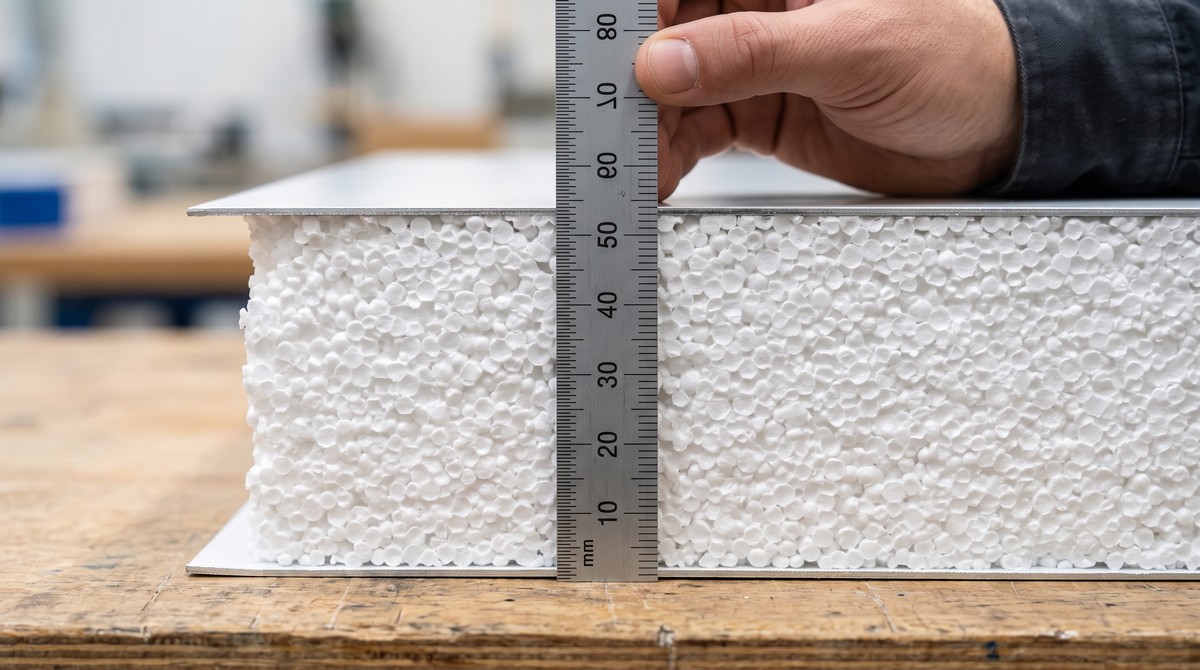
EPS core is produced by expanding virgin polystyrene beads with steam and a blowing agent (pentane) to create lightweight white cellular foam blocks.
- Featherweight Structural Load: With typical densities between 10 kg/m³ and 18 kg/m³, an EPS sandwich panel weighs roughly one-third of a comparable rock wool panel. This drastic weight reduction slashes steel structural purlin requirements and foundation loads.
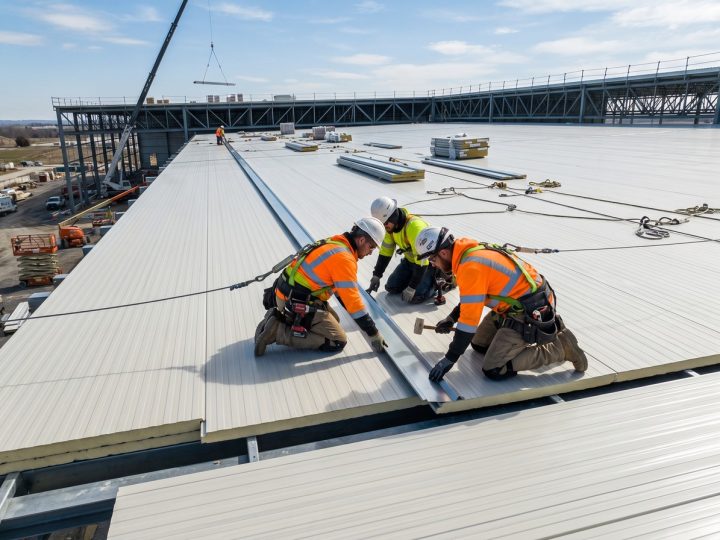
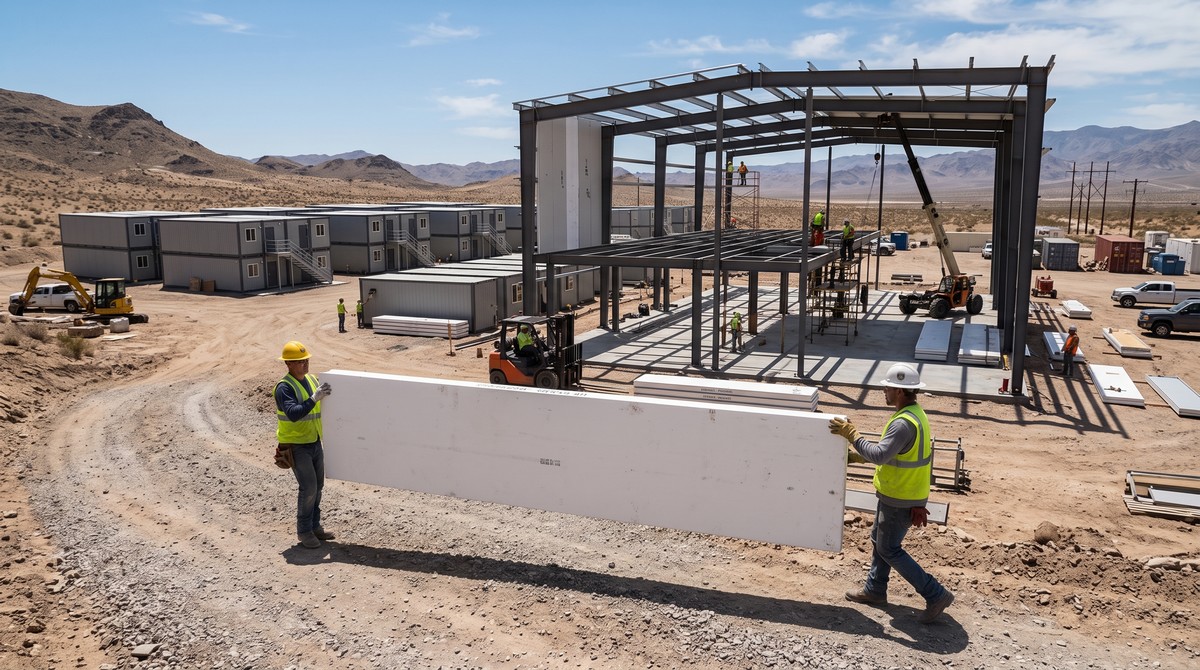
- Manual Handling Without Cranes: Two laborers can effortlessly carry and position a 6-meter-long EPS wall panel by hand, slashing heavy crane rental fees and accelerating remote camp builds by 50%.
- Incredible Cost Savings: EPS panels generally cost 40% to 60% less than PIR or PU side-sealed rock wool panels, making them ideal for budget-constrained projects.
2. Critical Fire Safety Realities: Flame-Retardant B1 vs B2 EPS
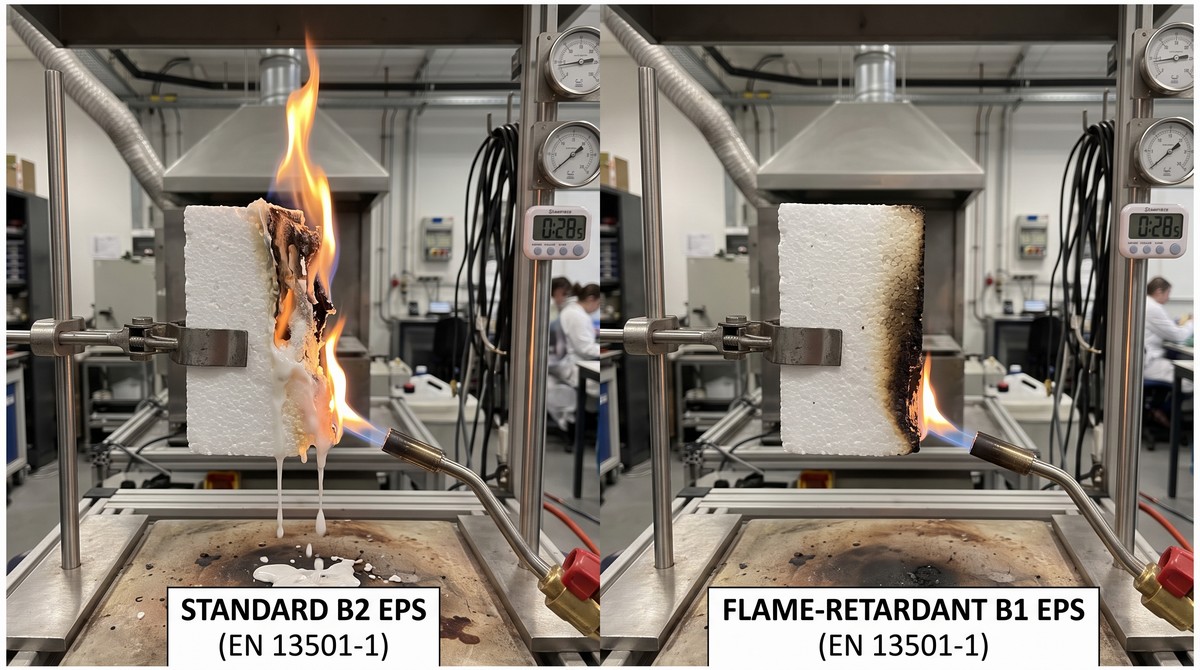
The primary risk with EPS is fire behavior. Untreated polystyrene melts rapidly when exposed to heat (~100°C) and generates combustible dripping liquid:
| EPS Grade / Quality | Raw Material Standard | Fire Behavior | Recommended Project Application |
| Standard B2 EPS | Commercial grade virgin/recycled | Ignites readily; spreads flames; dripping liquid | Temporary fences, short-term non-residential site hoarding |
| Flame-Retardant B1 EPS | Hexabromocyclododecane or polymer FR additives | Self-extinguishes within 10s of flame removal; reduced smoke | Mining worker camps, modular prefab site offices, field clinics |
| Graphite SEPS (Neopor) | Infused with graphite micro-platelets | +20% Higher R-value; self-extinguishing Class B1 | Low-energy modular residential structures |
3. When Should You Buy EPS Sandwich Panels?
According to international modular building guidelines, HIH Steel’s EPS Sandwich Panels (https://www.hihsteel.com) are the gold standard for:
- Prefabricated Container Houses & Labor Accommodation: Fast assembly, excellent thermal comfort under moderate climates, and easily shipped flat-pack in 40ft HQ shipping containers.
- Indoor Non-Load-Bearing Partitions: Drywall alternatives in light assembly warehouses.
- Agricultural & Livestock Barns: Easy to clean, wash, and insulate against ambient summer heat.
*WARNING*: Never specify standard EPS for chemical manufacturing plants, hospitals, multi-story urban residential complexes, or buildings requiring strict fire wall segregation under local building codes. When your priority is low budget, high speed, and temporary-to-medium lifespan, HIH Steel delivers certified flame-retardant EPS panels with guaranteed density and premium color-coated steel skins.