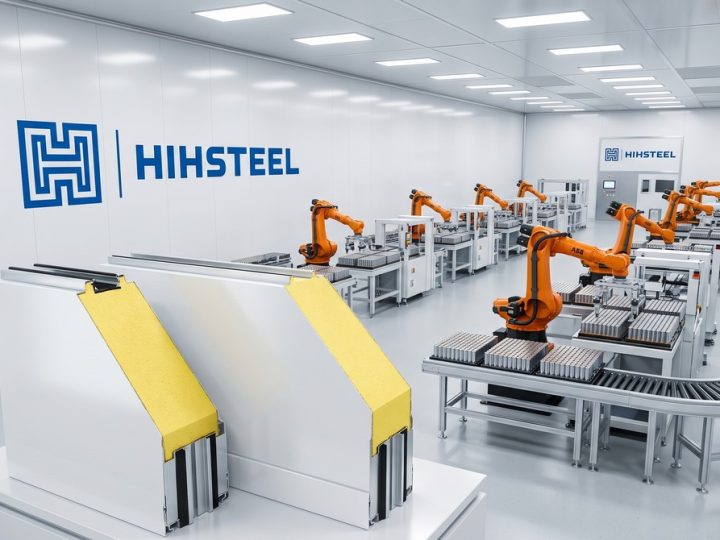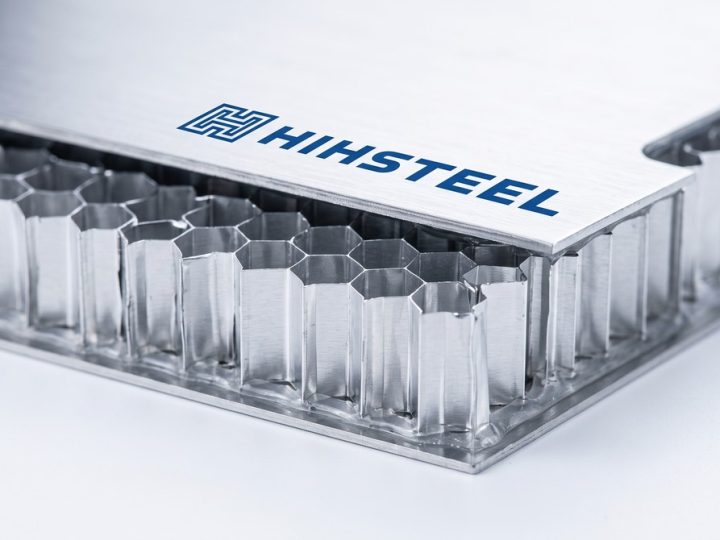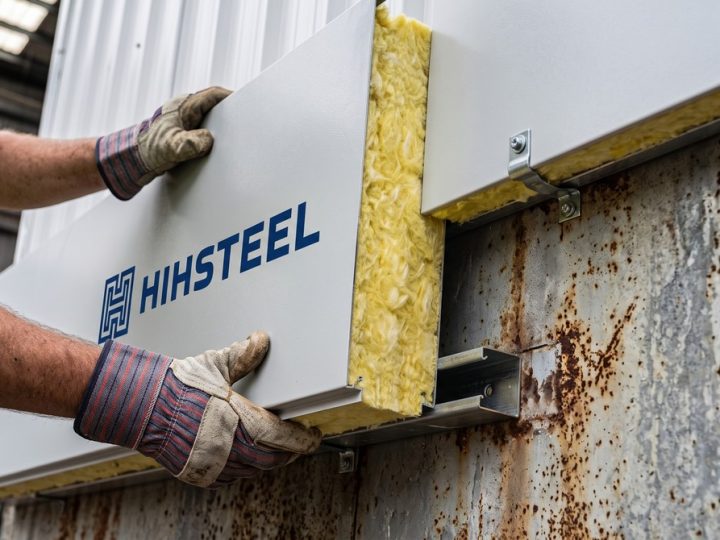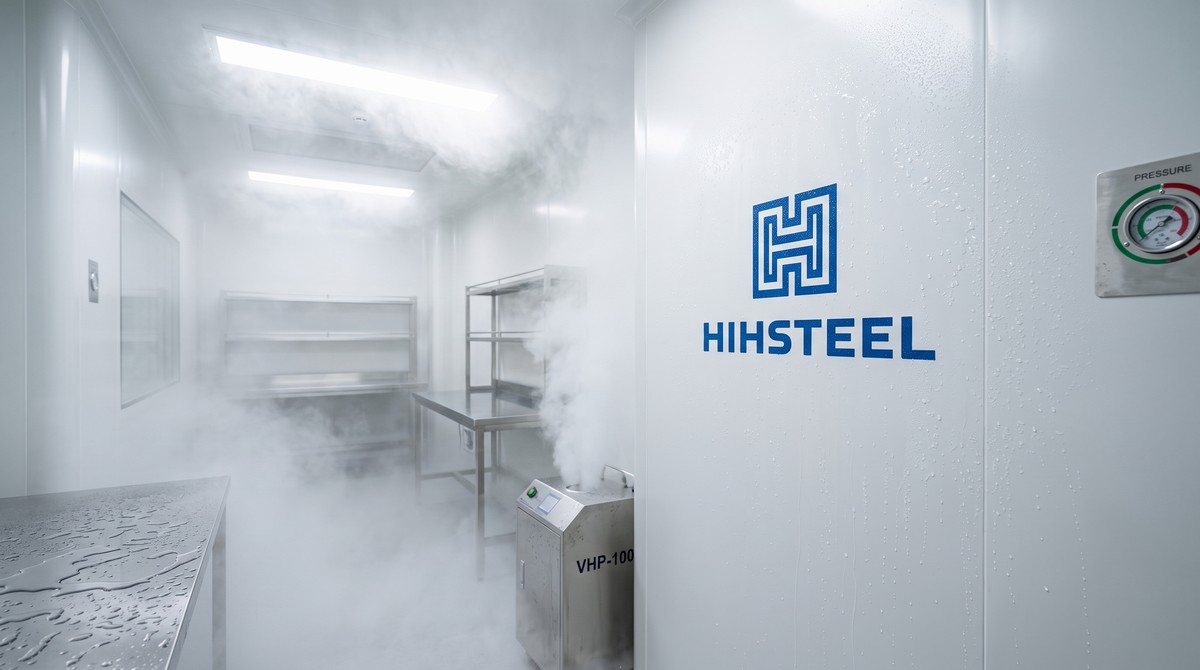
The global biopharmaceutical landscape is undergoing an unprecedented production expansion driven by glucagon-like peptide-1 (GLP-1) receptor agonists for diabetes and obesity. As pharmaceutical majors race to bring multi-billion-dollar sterile injectable pen filling and packaging hubs online, cleanroom engineering firms face a daunting task. According to European and global cleanroom market evaluations by Data Bridge Market Research (https://www.databridgemarketresearch.com/reports/europe-cleanroom-technology-market), surging demand for sterilized liquid drug formulations is driving the European cleanroom sector to $2.24 billion by 2032. However, meeting revised EU GMP Annex 1 guidelines mandates ultra-clean architectural envelopes with zero air leakage and complete resistance to automated terminal bio-decontamination.
| Aseptic Cleanroom Parameter | Traditional Drywall with Field Epoxy | Factory Pre-Engineered Flush Cleanroom System |
| EU GMP Annex 1 Sterility Compliance | Porous seams & micro-cracks harbor bio-films | 100% Flush joints with zero ledge accumulation |
| Vaporized Hydrogen Peroxide (VHP) Resistance | Epoxy paint blisters and peels in 1 – 2 yrs | 70% Kynar 500 PVDF finish (15+ yrs chemically inert) |
| Particle Cleanliness Baseline | Site drywall sanding sheds toxic gypsum dust | Zero particle shedding (Factory baked metallic skin) |
| Commissioning & Validation Timeline | 12 – 16 Months on-site wet trades | 4 – 6 Months pre-engineered modular dry assembly |
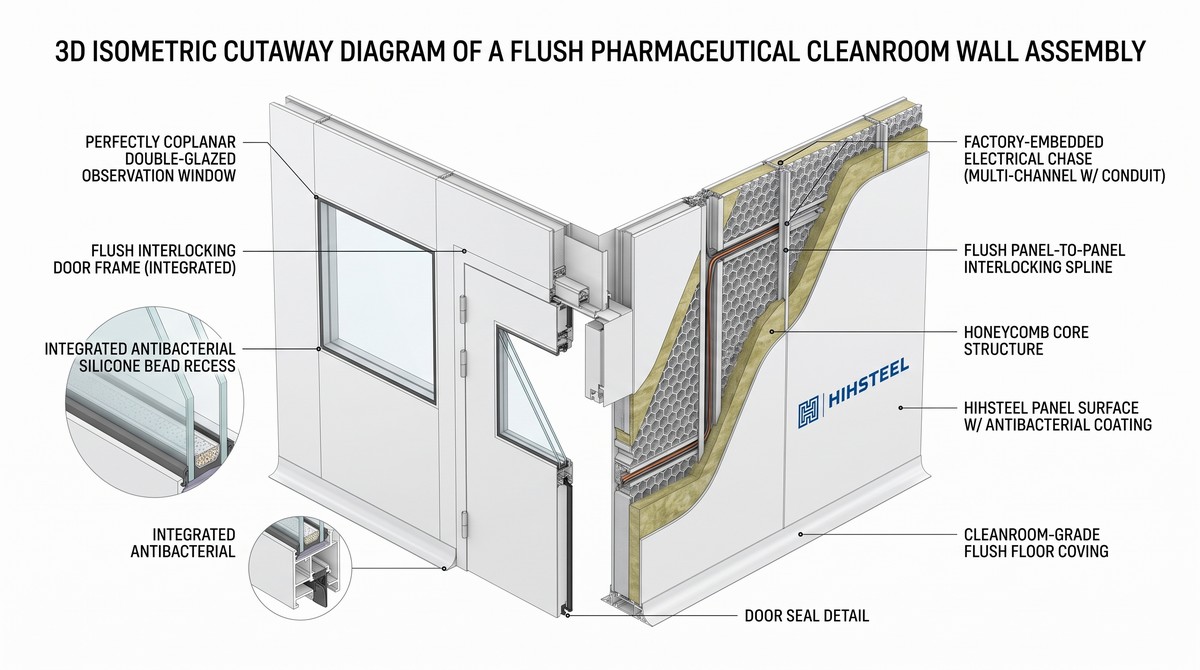
Under revised EU GMP Annex 1 regulations, Grade A and Grade B sterile filling suites must eliminate any horizontal ledges, open fastener penetrations, or porous silicone joints that can harbor bacterial bio-films. Traditional construction utilizing cold-formed steel studs faced with gypsum boards and liquid-applied epoxy paint fails these audits: differential room pressure shifts cause micro-cracking in field plaster joints, while aggressive bio-decontamination using Vaporized Hydrogen Peroxide (VHP) rapidly bubbles, discolors, and peels field-applied epoxy coatings.
Factory pre-engineered modular cleanroom panels from the hihsteel.com Clean Room Series provide the validated solution for fast-track sterile injectable facilities. Wall systems feature dual-side flush-mounted observation windows, flush interlocking doors, and precision concealed aluminum splines (‘middle-aluminum’) that leave the finished wall surface 100% planar. Formed with hot-dip galvanized steel facings coil-coated with 70% Kynar 500 PVDF (Polyvinylidene Fluoride) fluorocarbon resins, panels provide exceptional chemical inertness against concentrated VHP vapors, bleach, and quaternary ammonium wipe-downs over decades of operation.
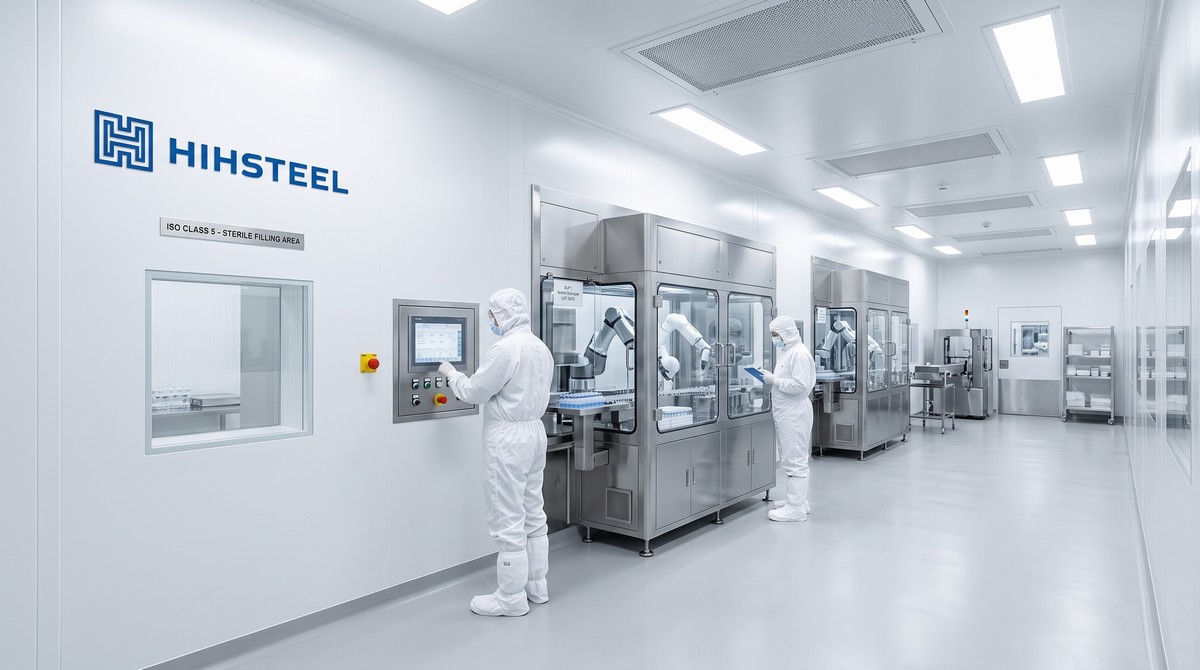
Core safety and sterility are backed by non-combustible material science. Using non-toxic, moisture-proof Magnesium Oxysulfate (MOS) or high-density basalt rock wool cores, panels achieve Class A fire containment without risking chloride corrosion on metal backings. Furthermore, hand-crafted panels with four-sided structural sub-frames allow pharmaceutical EPCs to pre-embed stainless steel utility passes, automated door interlocks, and air-return risers directly inside wall cavities, eliminating on-site dusty cutouts and reducing cGMP validation timelines by up to 50%.
Frequently Asked Questions (Top 5 Google Search Q&As):
Q: What architectural envelope requirements does EU GMP Annex 1 mandate for sterile drug filling suites?
A: Revised EU GMP Annex 1 strictly mandates that all surfaces in Grade A and B aseptic processing zones must be smooth, impervious, unbroken, and completely flush, with zero ledges, exposed fasteners, or open joints where dust or bio-films could form. All viewing panels, doors, and electrical outlets must be mounted completely coplanar with the cleanroom wall.
Q: Can Vaporized Hydrogen Peroxide (VHP) decontamination damage standard cleanroom wall panel finishes?
A: Yes. Standard commercial polyester (PE) coatings and site-applied liquid epoxy paints degrade rapidly under repeated VHP bio-decontamination cycles (concentrations of 300 to 1000+ ppm). Within 1 to 2 years, epoxy paint blisters, yellows, and chalks away from the substrate. In contrast, 70% Kynar 500 PVDF fluorocarbon coatings and DuPont Tedlar PVF film facings provide 15+ years of certified chemical inertness against concentrated VHP.
Q: Which core material is optimal for sterile pharmaceutical cleanrooms: Rock Wool or Magnesium Oxysulfate (MOS)?
A: Both deliver certified Class A non-combustibility. High-density basalt rock wool is preferred for high acoustic isolation (STC ≥ 42 dB) and 1-to-2-hour fire endurance. Magnesium Oxysulfate (MOS) is preferred in high-traffic corridors and processing areas where extreme impact resistance is needed, as it forms a dense, dent-proof substrate (density ~220 kg/m³) that is 100% halogen-free and will never sweat brine droplets or corrode metal facings.
Q: How are double-glazed cleanroom observation windows integrated into modular sandwich panels?
A: In cGMP aseptic suites, double-glazed tempered glass windows are manufactured to match the exact panel thickness (typically 50mm). Windows are installed completely flush with both the interior and exterior faces of the wall, eliminating dust-collecting window sills. Internal desiccant aluminum spacer bars prevent condensation, and perimeter seals are finished with smooth pharmaceutical-grade silicone.
Q: Why are factory pre-engineered modular cleanroom panels faster to validate than traditional drywall?
A: Traditional drywall construction requires on-site plastering, sanding, and epoxy painting, which generates millions of gypsum dust particles that contaminate HVAC filters and takes 12 to 16 months. Modular cleanroom panels arrive clean and pre-finished with factory-embedded utility conduits, assembling via dry mechanical joints in 4 to 6 months. Standardized factory material testing reports drastically accelerate Installation Qualification (IQ) and Operational Qualification (OQ) audits.