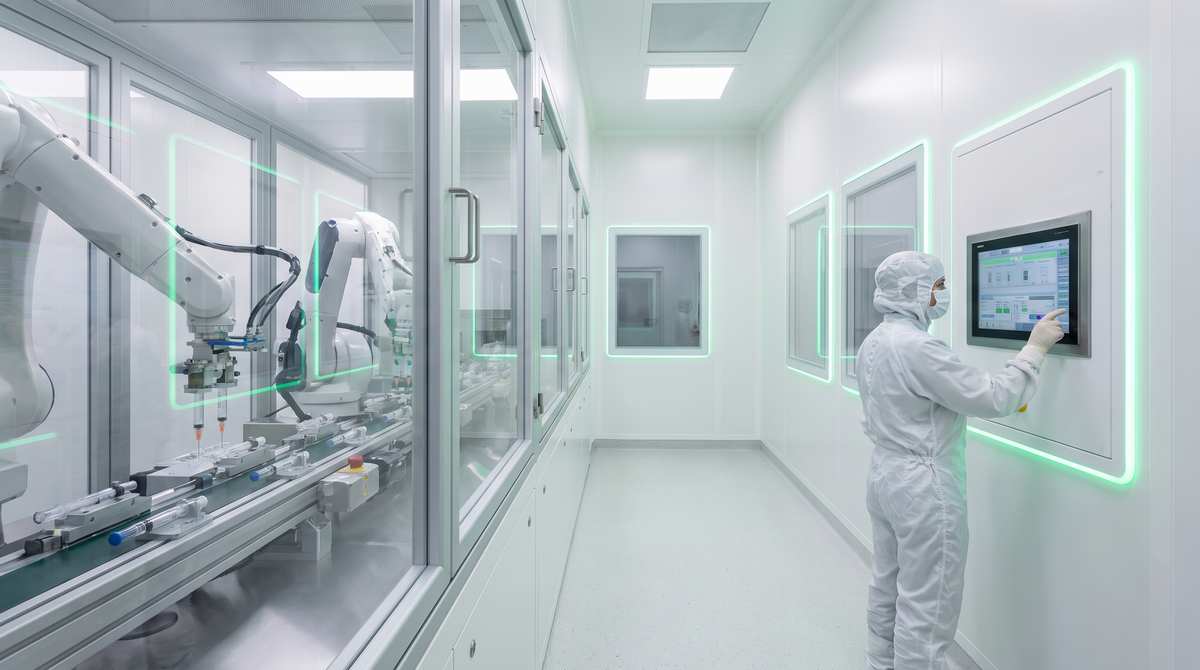
The clinical and commercial explosion of GLP-1 receptor agonist injectables for diabetes and weight management has triggered the largest biopharmaceutical facility build-out of the decade. As documented in international project analyses from Cleanroom Technology (https://cleanroomtechnology.com/what-is-happening-with-the-cleanroom-market-in) and specialized logistics reports from RealCold (https://realcold.com/company-news/), contract development and manufacturing organizations (CDMOs) face immense pressure to commission scalable ISO-7 clean room suites in record time. Sterile fill-finish operations require stringent envelope integrity to prevent batch contamination that could delay billion-dollar market launches.
| Cleanroom Technical Factor | ISO-7 Grade C Formulation Suite | hihsteel.com Engineered Solutions |
| Target Air Cleanliness | Max 352,000 particles/m³ (≥0.5 µm) | Non-shedding, Class 0 particulate |
| Disinfection Protocol | Weekly automated VHP / Chlorine | Chemically inert PVDF / PET finish |
| Wall Partition Core | Fire and acoustic isolation | Basalt Rock Wool / Alu Honeycomb |
| Validation Timeline | 6-9 months traditional | 6-8 weeks modular prefabricated |
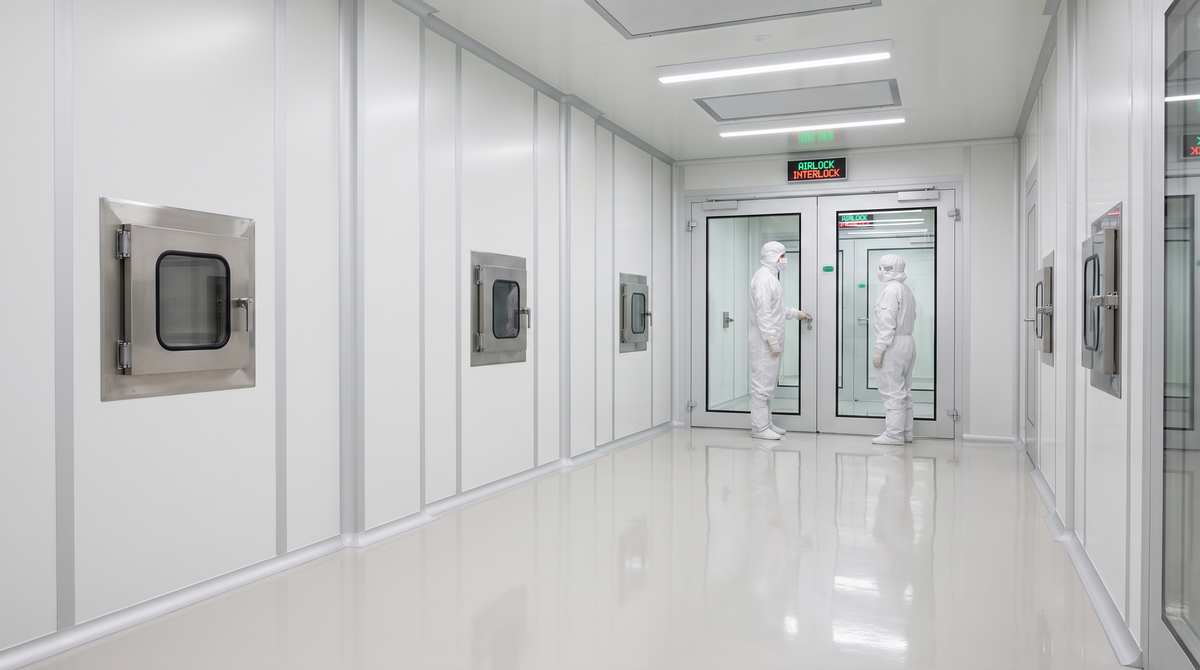
In automated injectable manufacturing, the secondary formulation and packaging envelope operates at ISO-7 (Class 10,000 / Grade C), serving as the critical contamination buffer for localized ISO-5 (Grade A) filling hoods. The primary risk factor in these high-throughput suites is aerosolized particulate shedding and bioburden retention. Traditional stud partitions coated with multi-layer epoxy paints inherently micro-crack under thermal fluctuations and building settling, generating microscopic paint flakes that enter air streams. Prefabricated modular cleanroom systems from the hihsteel’s Clean Room Series resolve this through inorganic, non-dusting metallic panels with factory-cured powder or PVDF coatings that never peel, craze, or chip.
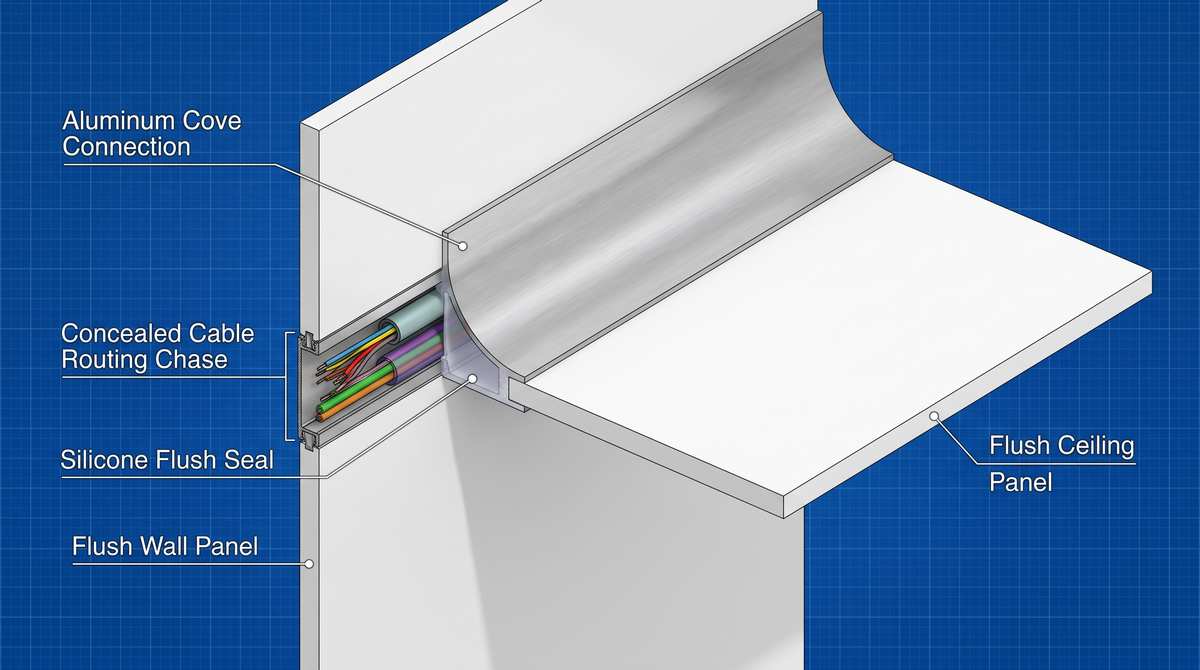
Seamless geometry is an uncompromising requirement in GLP-1 processing. High-speed automated vial and syringe filling lines generate high turbulent airflow patterns. Any exposed framing, non-flush utility outlets, or deep joints create localized stagnation zones where airborne microbes settle out of the laminar stream. Modular cleanroom wall assemblies utilize precision-milled aluminum extruded framing with dual concealed gaskets, creating smooth, flush planes across wall-to-wall and wall-to-ceiling junctions. When combined with integrated flush glass viewing panels and hermetic swing doors with drop-down automatic floor gaskets, the room forms a fully sealed aerodynamic shell.
Furthermore, continuous positive pressure cascading—often maintaining 12.5 to 15 Pa differentials between aseptic processing zones and external airlocks—requires envelopes with near-zero air leakage. Inferior envelope sealing forces HVAC make-up air systems to work continuously above capacity, drastically elevating operational costs and risking pressure drop alarms that halt production. Sourcing pre-engineered modular cleanroom panel systems guarantees air leakage rates below 0.05 m³/(h·m²), ensuring rapid environmental qualification and uninterrupted commercial drug delivery.