15 to 25+ Years vs 5 Years: Frame Thickness and Coating Make the Gap
Ask ten buyers how long a prefab modular cabin lasts and you will hear everything from five years to thirty years. Both answers can be true, because a $1,200 light domestic site box and a $2,600 export galvanized modular unit are not the same product.
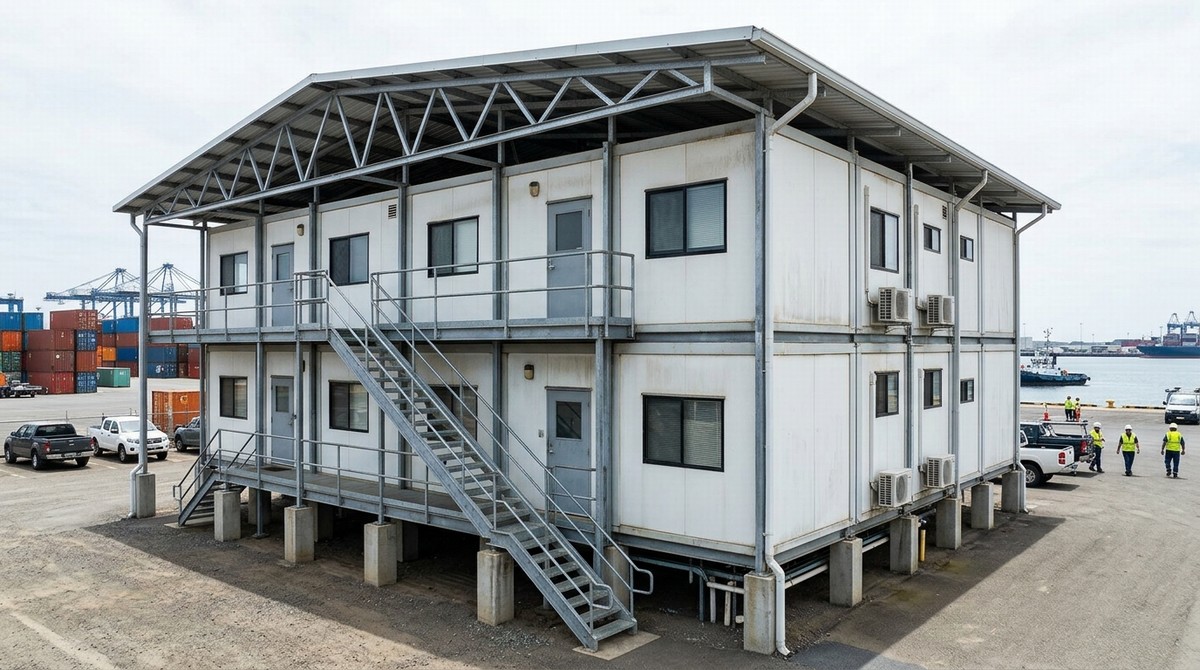
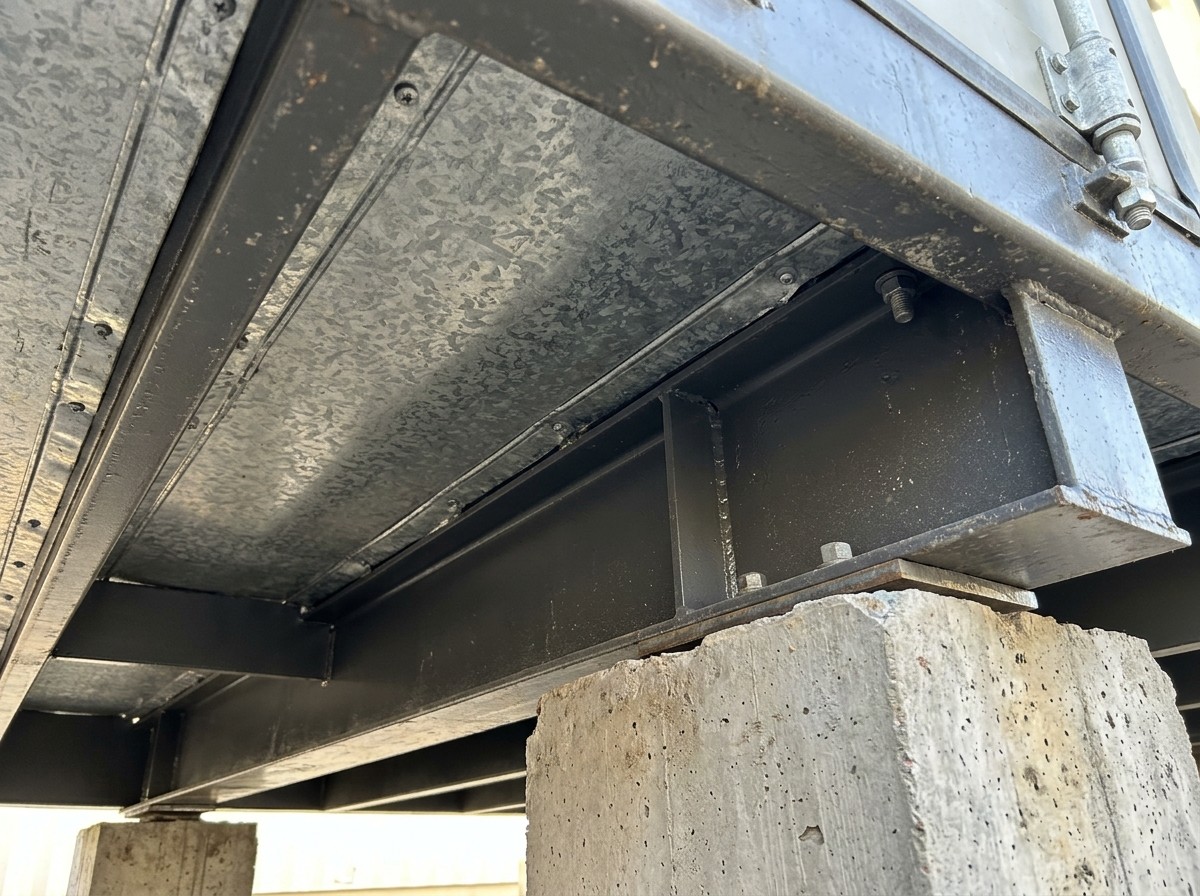
A budget domestic cabin built from 1.6mm black steel painted with a single coat of quick-dry alkyd enamel starts flaking rust around the floor beams after three rainy seasons. In contrast, our commercial modular housing projects use 2.5mm to 3.0mm galvanized Q235B/Q355B cold-formed structural channels finished with an epoxy zinc-rich primer and 80-micron electrostatic baking finish. Paired with 75mm PVDF-coated rock wool or PIR wall boards and an 18mm cement fiberboard floor, a stationary flat-pack cabin routinely serves 15 to 25+ years on mining, oilfield, and municipal sites.
The Three Real Killers of Modular Camp Lifespan
Steel frames rarely fail from age alone. Almost every premature camp retirement comes down to three avoidable site habits.
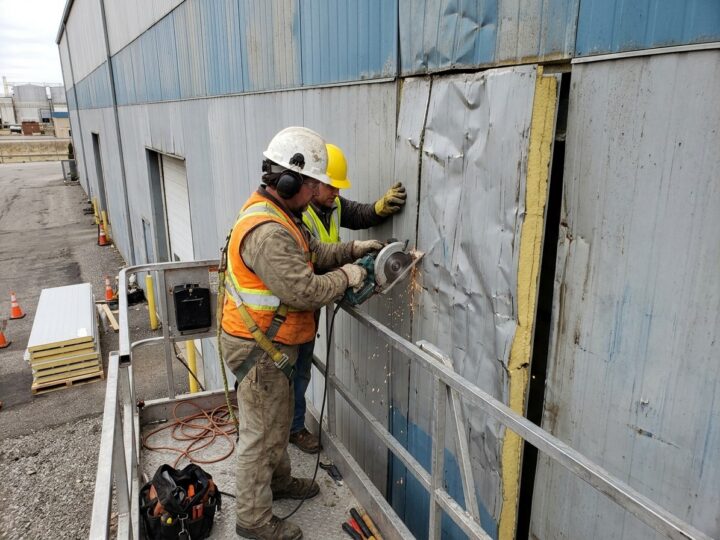
First, ponding water on unlevel flat roofs. If a container settles 20 millimeters at one corner because it was dropped on bare dirt, rainwater pools against the central seam instead of draining through the four internal corner PVC downspouts. Second, choked downspout screens. Leaves and desert sand clog the corner roof strainers, forcing storm water to overflow into the ceiling insulation. Third, bare forklift scrapes on the bottom floor beam. Touching up chipped paint on the chassis after every crane relocation takes fifteen minutes and adds ten years to the steel life.
Simple Upgrades That Push Container Camp Life Past 25 Years
If your client plans to run a permanent resort, remote clinic, or long-term engineering headquarters for two decades, three low-cost factory upgrades pay massive dividends.
Upgrade the bottom subfloor from bare cement board to galvanized steel bottom seal plates (0.5mm galvanized rat-proof and moisture-proof belly skin) so rising ground damp never touches the floor joists. Add a secondary pitched truss shade roof clad in insulated sandwich roof panels to shield the flat roof gaskets from UV sun and monsoon rain. Finally, inspect and re-caulk external silicone seams around windows and corner junctions every five years using our after-sales maintenance checklist.
Frequently Asked Questions (FAQ)
Q1: How long does a standard flat-pack container house last?
A: A commercial galvanized flat-pack container house (2.5mm-3.0mm frame, 50mm-75mm rock wool/PIR walls, cement board floor) lasts 15 to 25+ years with basic roof gutter cleaning and 5-year silicone checks.
Q2: Do folding container houses last as long as flat-pack container houses?
A: No. Standard center-hinge folding boxes typically last 6 to 10 years because repeated folding stresses the mid-wall steel hinges and rubber weatherstrips, whereas bolted flat-pack cabins have solid uncut walls lasting 15 to 25 years.
Q3: Can modular container houses survive coastal salt air without rusting?
A: Yes, when ordered with hot-dip galvanized or Z275 steel frames, 80-micron epoxy-polyurethane marine paint, AZ150 PPGL wall skins, and elevated concrete piers that keep the chassis 200mm off wet coastal soil.
Q4: How many times can a flat-pack container house be relocated between job sites?
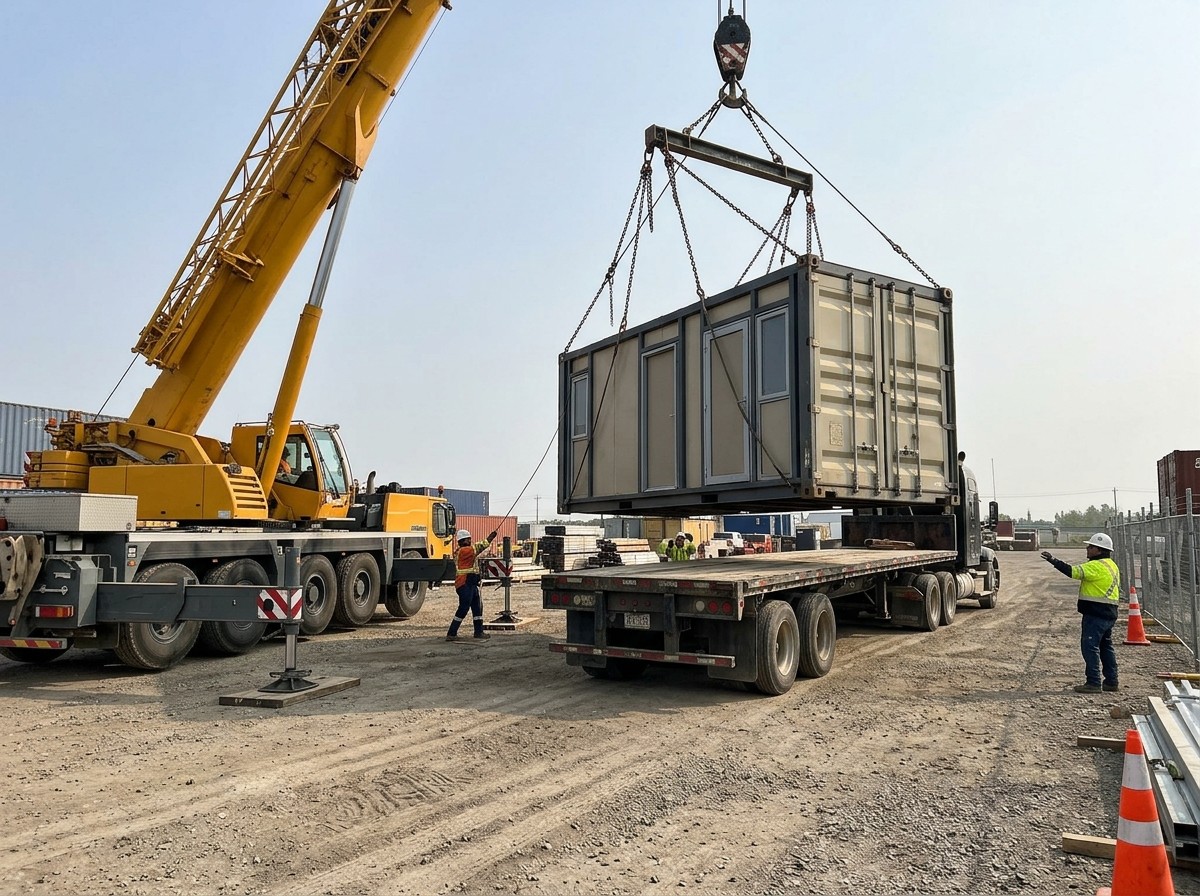
A: A heavy-duty bolted flat-pack unit can be crane-lifted, trucked, and re-installed 8 to 12 times over its 20-year lifespan if lifted properly from the four top ISO corner castings.
Q5: What parts of a modular container house wear out first?
A: External window silicone beads, rubber roof seam gaskets, door locks, and PVC floor vinyl are the first items to show wear after 7 to 10 years, and all can be replaced easily without touching the steel structure.