Why Saving $10 per Square Meter on EPS Can Void Your Factory Fire Insurance
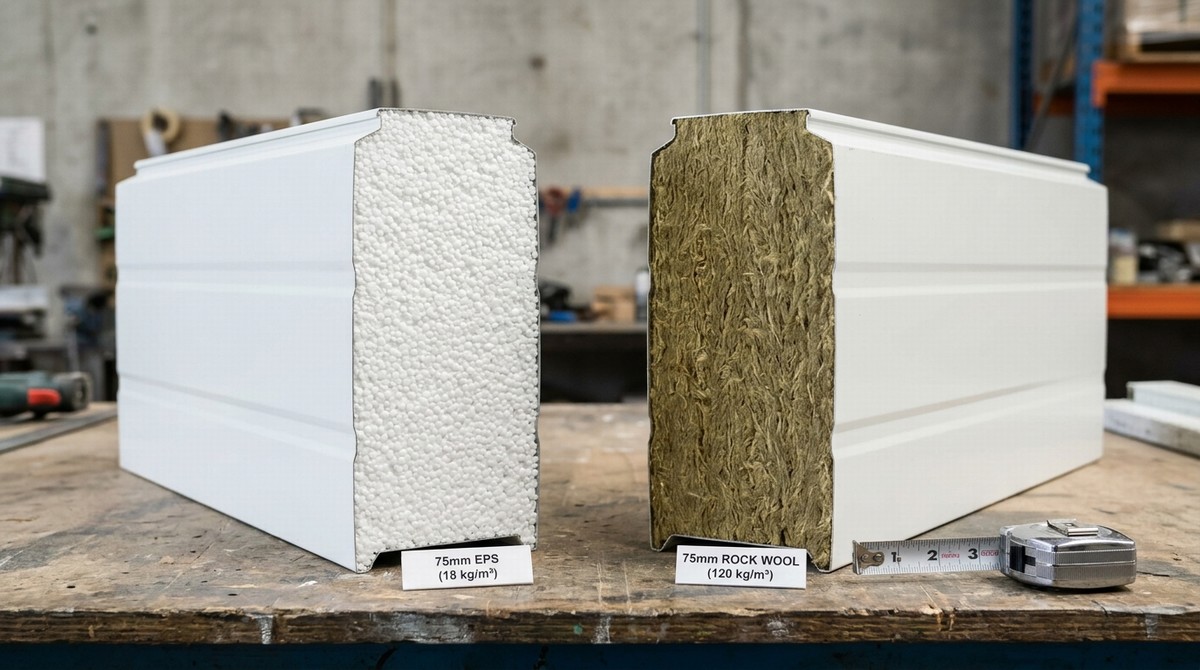
EPS (Expanded Polystyrene) sandwich panels remain the cheapest insulated metal boards on the planet, costing 40% to 60% less per square meter than rock wool. So why do multinational factory owners refuse to put EPS on permanent warehouses?
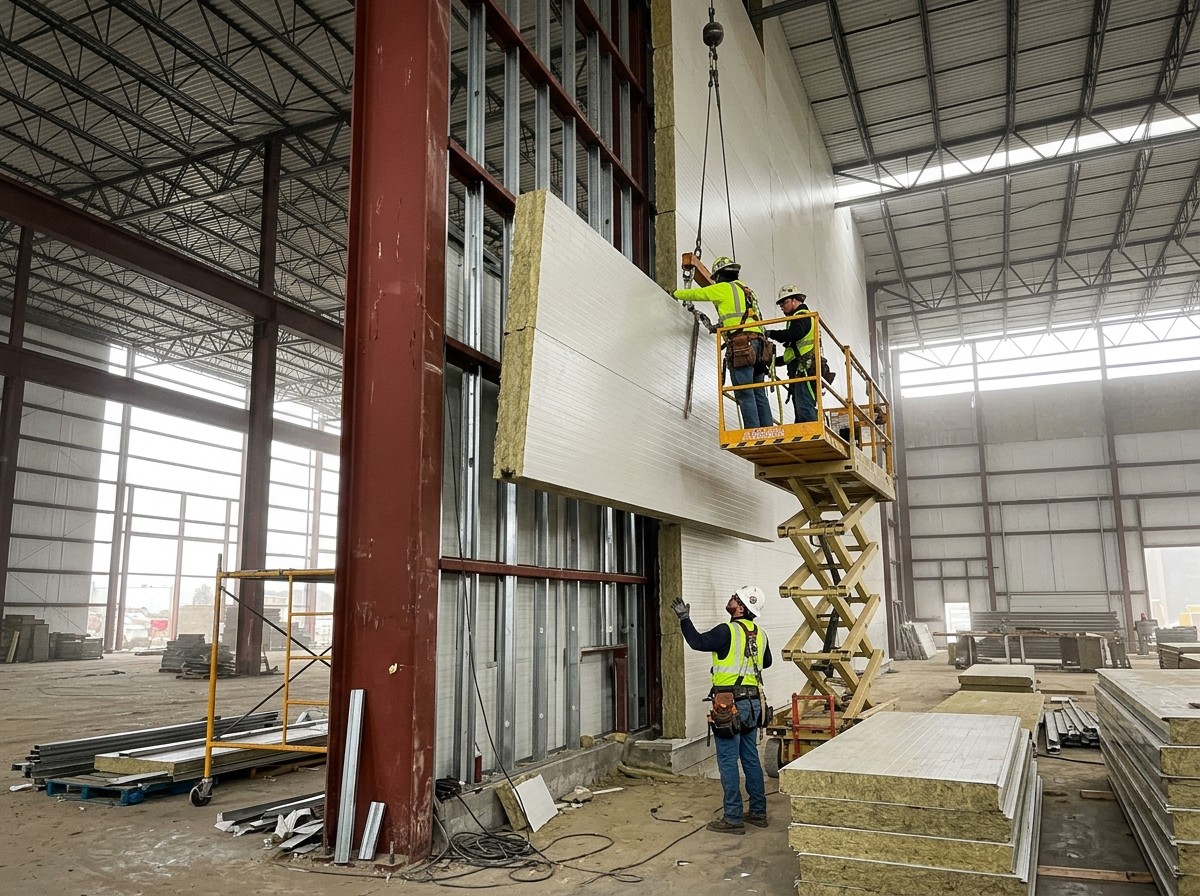
One word: insurance. When a forklift battery shorts out or a welding spark hits an open seam, polystyrene foam melts at 100°C and feeds rapid flame spread inside the hidden metal cavity, releasing dense black smoke. Major commercial property insurers like FM Global, AXA, and Allianz either refuse to underwrite EPS-clad manufacturing plants or double annual fire insurance premiums. Over five years, those penalty insurance premiums wipe out every penny saved on EPS. Specifying Euroclass A1 rock wool wall panels passes strict municipal fire inspections on day one and locks in the lowest commercial property insurance tier.
| Comparison Metric | EPS Sandwich Panel (16-18 kg/m3) | Rock Wool Sandwich Panel (120 kg/m3) |
|---|---|---|
| Fire Classification | Combustible (Melts & drips in fire; Class B2/B3) | 100% Non-Combustible (Euroclass A1, >1000C) |
| 2026 FOB China Price (75mm) | $11 – $18 / sqm (Lowest upfront cost) | $20 – $34 / sqm (45%-65% higher upfront) |
| Insurance & Code Approval | Restricted/banned in regulated factories & FM Global | Universal pass for fire marshals & global insurers |
| Acoustic Noise Reduction | Basic (20 – 23 dB) | Superior (32 – 38 dB airborne sound barrier) |
| Best Project Fit | Temporary site sheds, dry rural storage, budget cabins | Permanent factories, logistics hubs, pharma, firewalls |
Where EPS Sandwich Panels Still Make Complete Business Sense
Do not let anyone tell you EPS panels are useless. In the right project, EPS saves 35% of your cladding budget without breaking a single rule.
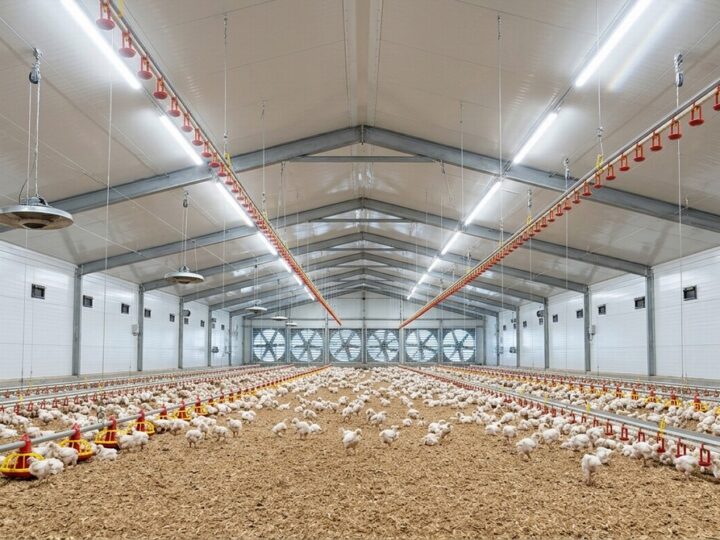
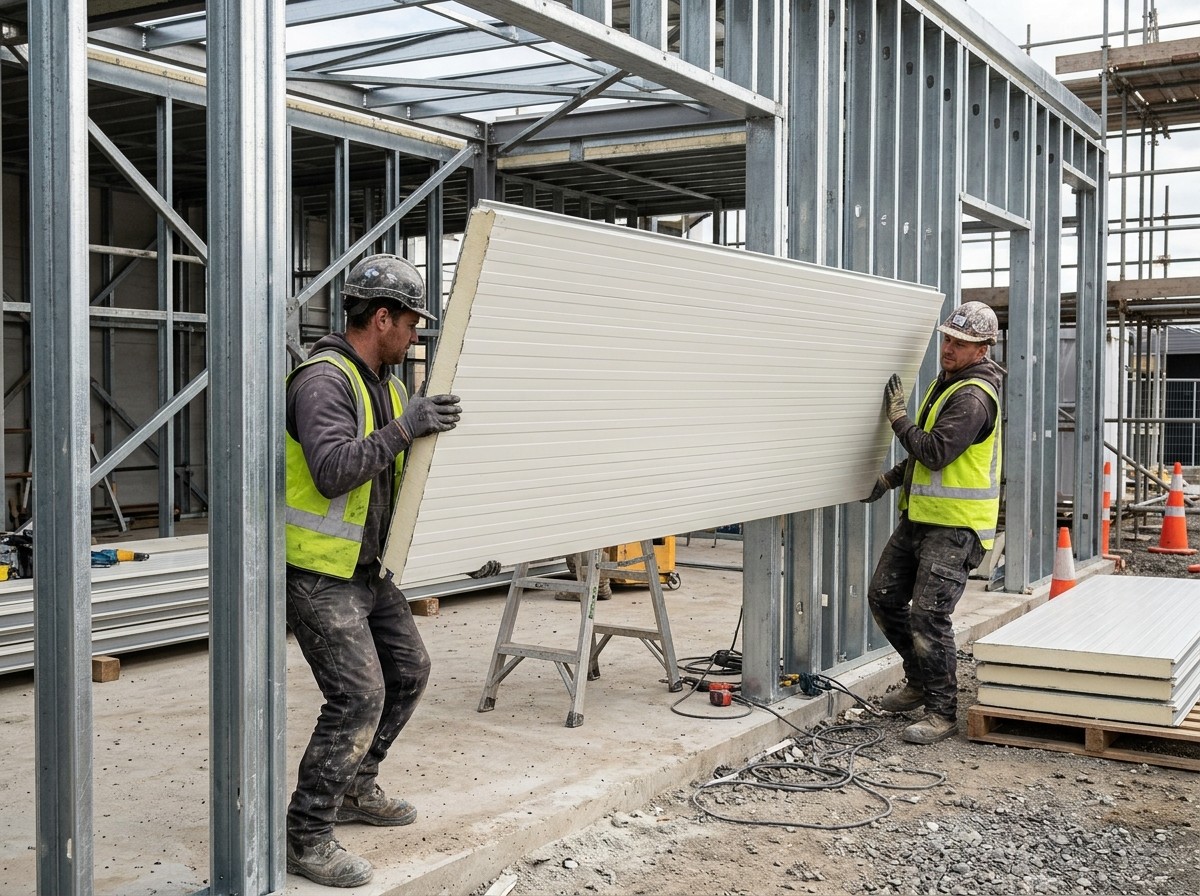
For temporary 12-month construction site offices, non-regulated rural dry storage sheds, agricultural tool barns, and low-risk interior partitions where local building authorities do not mandate A1 non-combustibility, high-density 16 to 20 kg/m³ flame-retardant EPS sandwich wall panels deliver reliable thermal insulation (0.036 W/m·K) at half the weight of rock wool. Because a 6-meter EPS board weighs under 55 kilograms, two laborers can carry and bolt walls up by hand without renting a vacuum lifter.
How Smart Contractors Split Budgets With Hybrid Cladding
When a mid-sized manufacturer faces tight capital budgets, our engineers often design a compliant hybrid package: A1 basalt rock wool panels along property-line walls, transformer rooms, and welding bays, combined with cost-effective PIR or fire-retardant EPS in low-risk administrative zones, all rolled in matching RAL colors and backed by our ISO and CE certifications.
Frequently Asked Questions (FAQ)
Q1: How much cheaper are EPS sandwich panels than rock wool sandwich panels?
A: At 75mm thickness with 0.5mm steel skins, EPS sandwich panels typically cost 40% to 55% less per square meter FOB than 120 kg/m³ basalt rock wool panels.
Q2: Is flame-retardant (B1/B2) EPS sandwich panel allowed in industrial warehouses?
A: Flame-retardant EPS self-extinguishes when a small ignition source is removed, but it still melts under sustained high heat. Check your local fire code and insurer: many industrial zones allow it in small dry sheds, while regulated factories and high-bay logistics warehouses require A1 rock wool or FM-approved PIR.
Q3: Which is easier to install: EPS or rock wool sandwich panels?
A: EPS panels are 40% lighter (roughly 10 to 12 kg/m² vs 18 to 21 kg/m² for 75mm rock wool) and produce zero mineral dust when cut, making manual installation faster on small projects.
Q4: Does EPS or rock wool insulate better against summer heat?
A: EPS actually has slightly better thermal conductivity (0.035-0.038 W/m·K) than rock wool (0.038-0.042 W/m·K), though rock wool offers far better fire safety and 10+ dB better soundproofing.
Q5: What minimum EPS core density should I buy for durable panels?
A: Never buy 8 kg/m³ ultra-soft packing foam. Always specify at least 14 to 18 kg/m³ high-density virgin EPS beads for wall panels and 18 to 20 kg/m³ for roof panels so the steel skins never delaminate.