Operating a sub-zero commercial freezer is an unending battle against thermodynamics. As detailed by industry releases on OpenPR (https://www.openpr.com/news/4615684/us-cold-storage-market-set-to-witness-significant-development) and logistics investment analyses from National Law Review (https://natlawreview.com/press-releases/cold-storage-construction-market-2026-expanding-food-logistics), the explosive surge in high-value biologics and frozen goods has driven the cold storage construction market past $41 billion. Yet, thousands of freezer operators grapple with runaway electricity bills, iced-over ceiling joints, and compressor burnouts. The culprit is almost never the refrigeration chiller—it is micro-thermal bridging across building envelope seams.
| Cold Storage Parameter | Standard Tongue & Groove Panel | Cam-Lock PIR Cold Storage System |
| Thermal Conductivity (λ) | 0.035 – 0.040 W/(m·K) (EPS/XPS) | 0.019 – 0.022 W/(m·K) (High-Index PIR) |
| Operating Temperature Range | Down to -5°C (Chilled Storage) | -40°C to +80°C (Deep Blast Freezers) |
| Seam Tightening Mechanism | Manual friction push-fit | Built-in eccentric steel cam-lock |
| Joint Vapor Barrier Seal | Single silicone bead on site | Dual-track EPDM + PVC thermal break |
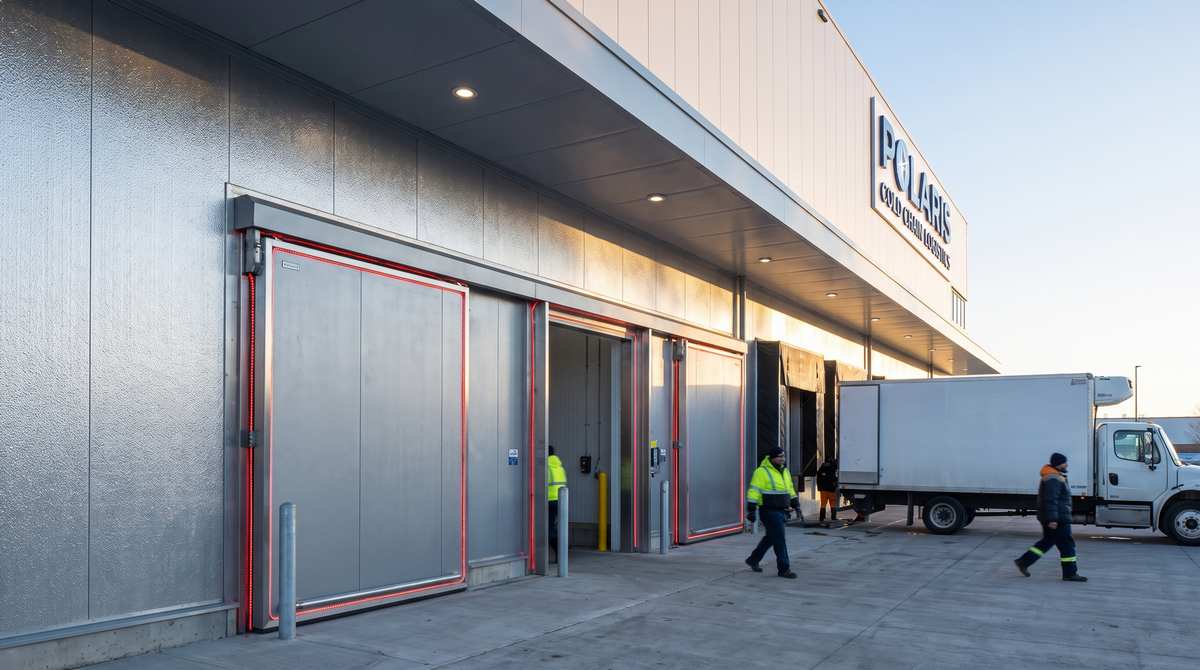
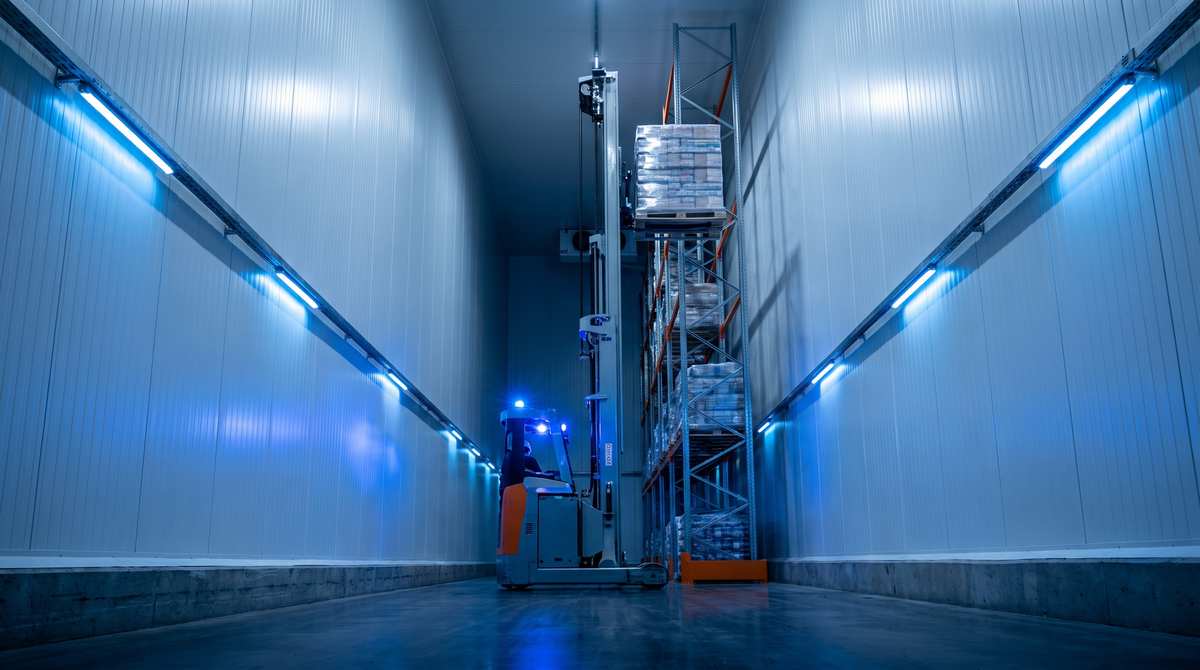
In extreme deep-freeze environments down to -25°C or -40°C, the indoor-to-outdoor temperature differential (ΔT) frequently exceeds 50°C to 70°C. This creates intense vapor pressure that drives ambient moisture through any microscopic seam gap. When water vapor hits cold substrate boundaries, it condenses, freezes, and expands, tearing standard panel joints apart and causing catastrophic thermal short-circuits. Rigid Polyisocyanurate (PIR) cold room panels engineered with heavy-duty eccentric Cam-Lock mechanisms tackle this at the root.
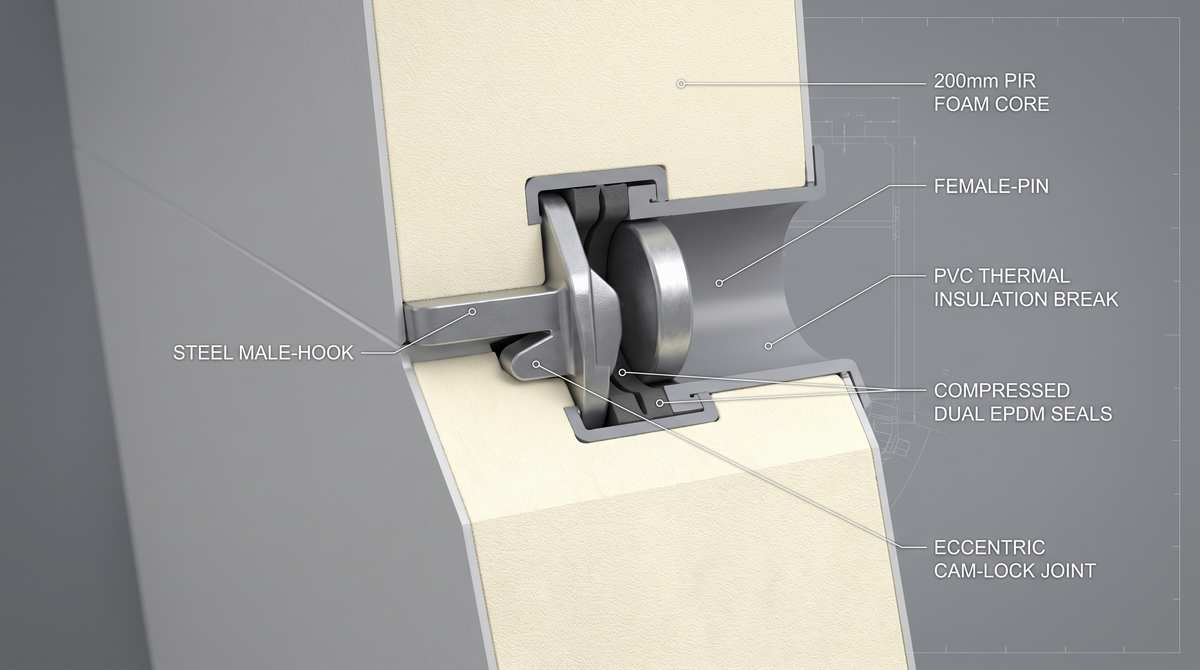
As manufactured by specialized exporters like hihsteel.com (https://hihsteel.com/category/product/), these panels incorporate hook-and-pin eccentric steel locks embedded into high-density polyisocyanurate foam during automated pouring. When turned with an Allen wrench on-site, the cam mechanism draws adjacent panels together with hundreds of kilograms of clamping force. This compresses high-elasticity dual EPDM bulb gaskets into a completely hermetic joint. Coupled with high-density rigid PVC thermal break spacers along the interlock, heat transfer between the external and internal steel facings is completely severed.
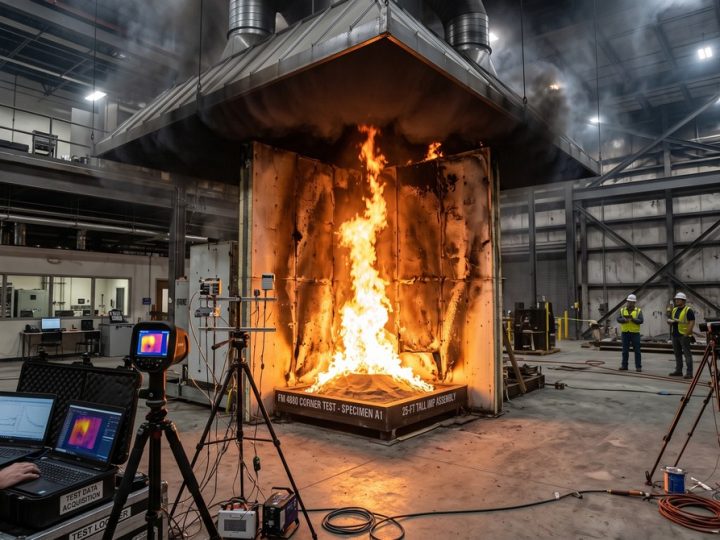
Insulation density and foam chemistry form the final energy barrier. Premium PIR formulations achieve a closed-cell ratio exceeding 95% and a remarkably low thermal conductivity of 0.019 to 0.022 W/(m·K). Compared to traditional EPS insulation, cold room builders can reduce wall thickness by over 40% while achieving equal or superior R-values, directly expanding net usable warehouse pallet capacity. Sourcing directly from an established manufacturing plant guarantees certified B1 fire retardancy, food-grade stainless steel or antibacterial plastisol surface options, and pre-engineered corner panel junctions that prevent ceiling sagging in wide-span cold chain hubs.