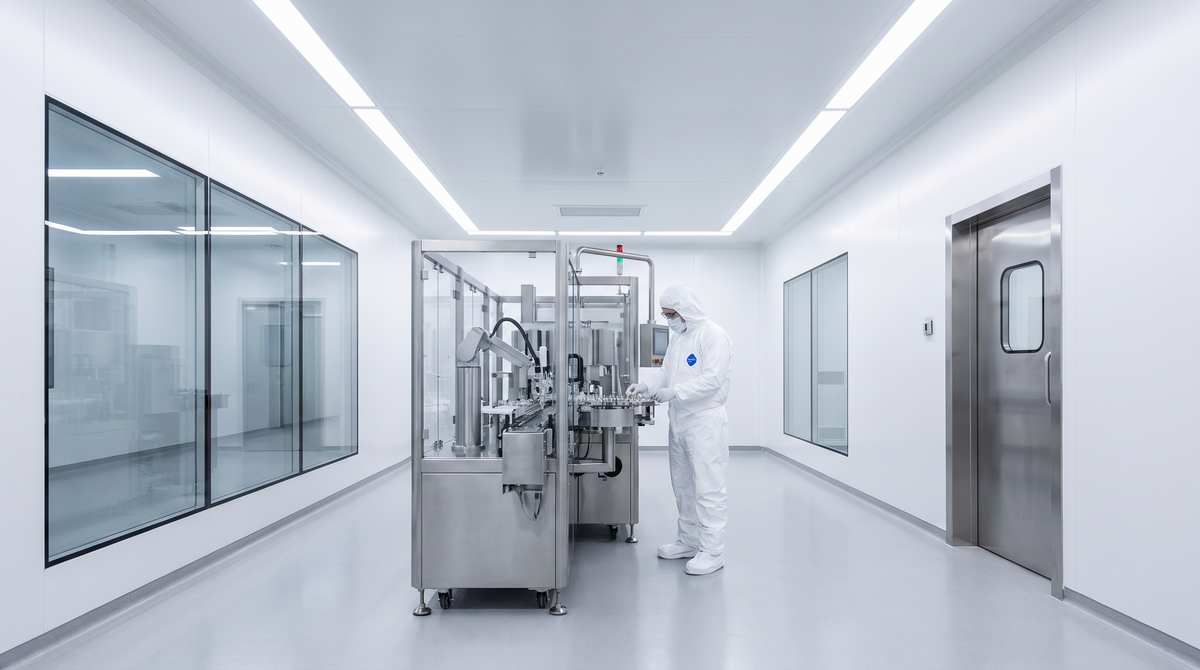
Stringent updates in the international regulatory landscape have transformed sterile drug manufacturing facilities worldwide. As detailed in technical reports by global industry authority Cleanroom Technology (https://cleanroomtechnology.com/what-is-happening-with-the-cleanroom-market-in), the rigorous enforcement of EU GMP Annex 1 mandates continuous contamination control, forcing biopharma facility developers and EPC contractors to eliminate dust-accumulating ledges, exposed fixtures, and vulnerable sealants in cleanroom boundaries. For project specifiers, upgrading from traditional stick-built drywall to fully integrated modular panel systems has transitioned from an architectural preference to a baseline regulatory survival strategy.
| Critical Engineering Metric | Conventional Drywall Partition | hihsteel.com Modular Cleanroom Panel |
| Joint Transition | 90° exposed corners, tape/mud seams | Zero-radius flush tongue & groove |
| Disinfection Resistance | Swells & degrades under VHP cycle | High-durability PVDF / HDP coating |
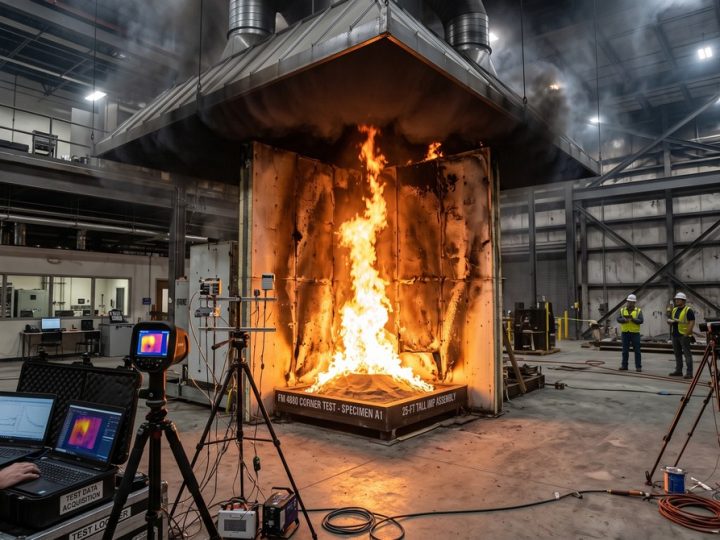
| Core Material Fire Rating | Combustible gypsum board | Non-combustible A-Grade Rock Wool |
| Field Assembly Timeline | 8-12 weeks (wet construction) | 2-3 weeks (pre-engineered modular) |
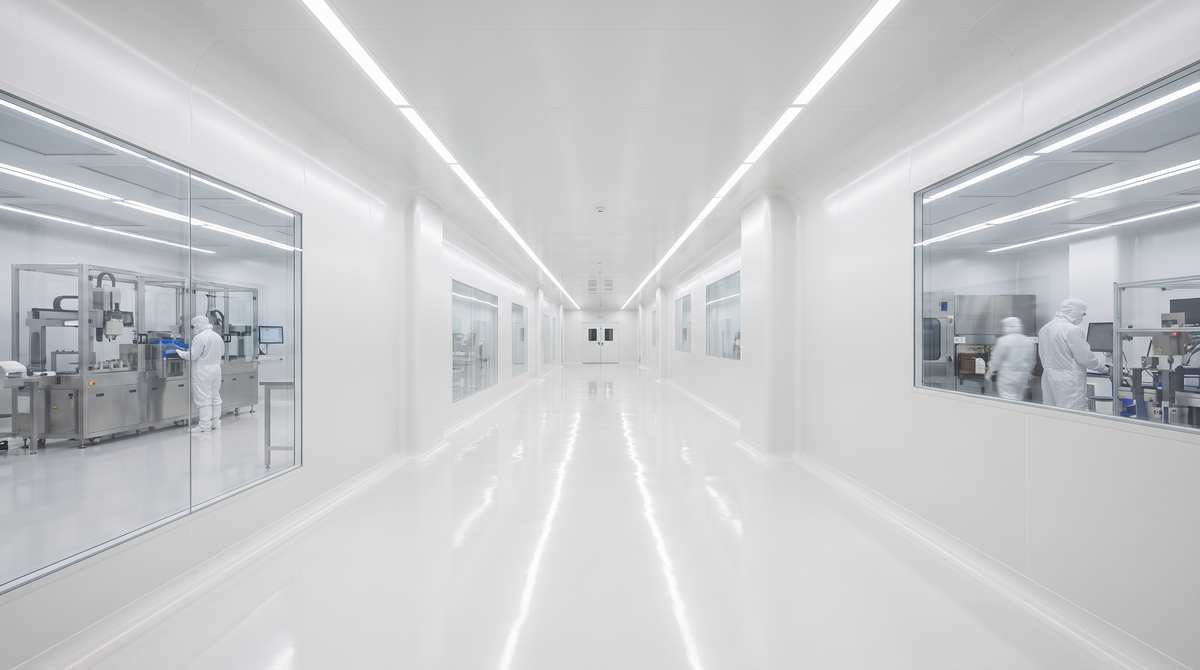
The core vulnerability in sterile cleanrooms lies at structural intersections. Standard field construction inherently creates surface variations where aerosolized disinfectants fail to penetrate, leaving localized microbial reservoirs. Factory-engineered wall systems from the hihsteel.com Clean Room Series resolve this through precision-extruded aluminum profiles and flush concealed splines. Each panel integrates a rigid non-combustible core—such as high-density hydrophobic rock wool (≥ 120 kg/m³) or structural aluminum honeycomb—sandwiched between hot-dip galvanized steel skins (0.6 mm to 0.8 mm). The resulting wall surface maintains an impeccably flat profile that seamlessly integrates flush double-glazed inspection windows and airtight cleanroom doors without micro-ledges.
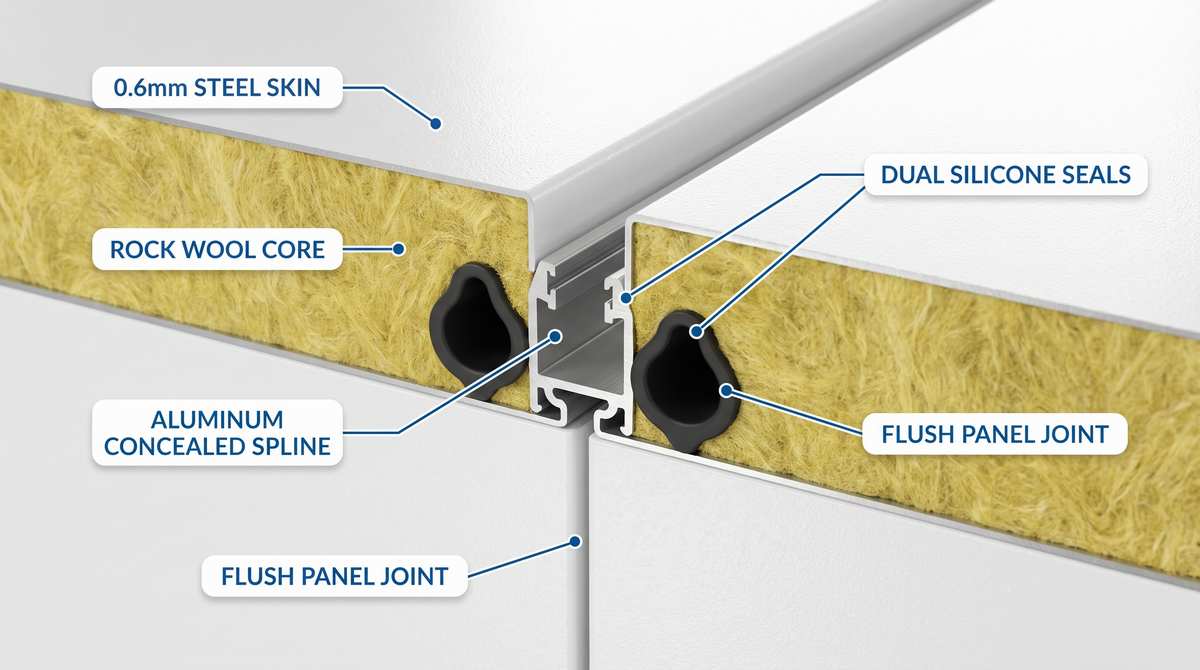
Beyond visual flatness, material resilience under repeated decontamination cycles dictates facility longevity. Modern biopharma facilities rely heavily on Vaporized Hydrogen Peroxide (VHP) and aggressive chlorine dioxide fumigation. Inferior organic coatings blister and delaminate after repeated exposure, releasing sub-micron particles directly into ISO Class 5 laminar flow pathways. Certified modular cleanroom panels utilize specialized anti-static, chemically inert polyvinylidene fluoride (PVDF) coil coatings, maintaining surface integrity and zero VOC emissions over thousands of sterilization cycles.
For international biopharmaceutical developers and cleanroom turnkey contractors, selecting a verified manufacturing partner mitigates both regulatory rejection and construction delays. Sourcing factory-direct modular systems ensures tight prefabricated tolerances (±0.5 mm), rapid clip-in assembly, and comprehensive material test certificates required for immediate FDA and EMA qualification.