
⚠️ Japan Earthquake Fact File
📍 Location: Noto Peninsula (Wajima, Suzu, Ishikawa Prefecture), Japan
🎚️ Magnitude: Mw 7.6
⏱️ Date & Climate: January 1, 2024. The quake was immediately followed by harsh sub-zero coastal snowstorms typical of the Sea of Japan.
💥 Impact: Collapsed timber and older structures, extreme soil liquefaction, and devastating urban fires that wiped out historic commercial districts.
🏚️ Failure Mode: Traditional heavy clay tile roofs crushed structures under their own dead weight. Sub-zero snowpack inundated damaged buildings, and a severe lack of non-combustible building envelopes allowed secondary fires to spread uncontrollably.
🏗️ Reconstruction: Strict adherence to Japan’s Building Standard Law (BSL). The solution demands high-ductility steel structures to resist liquefaction sinking, paired with rigid Rock Wool composite sandwich roof panels to provide immense structural snow-bearing capacity and absolute fire prevention.
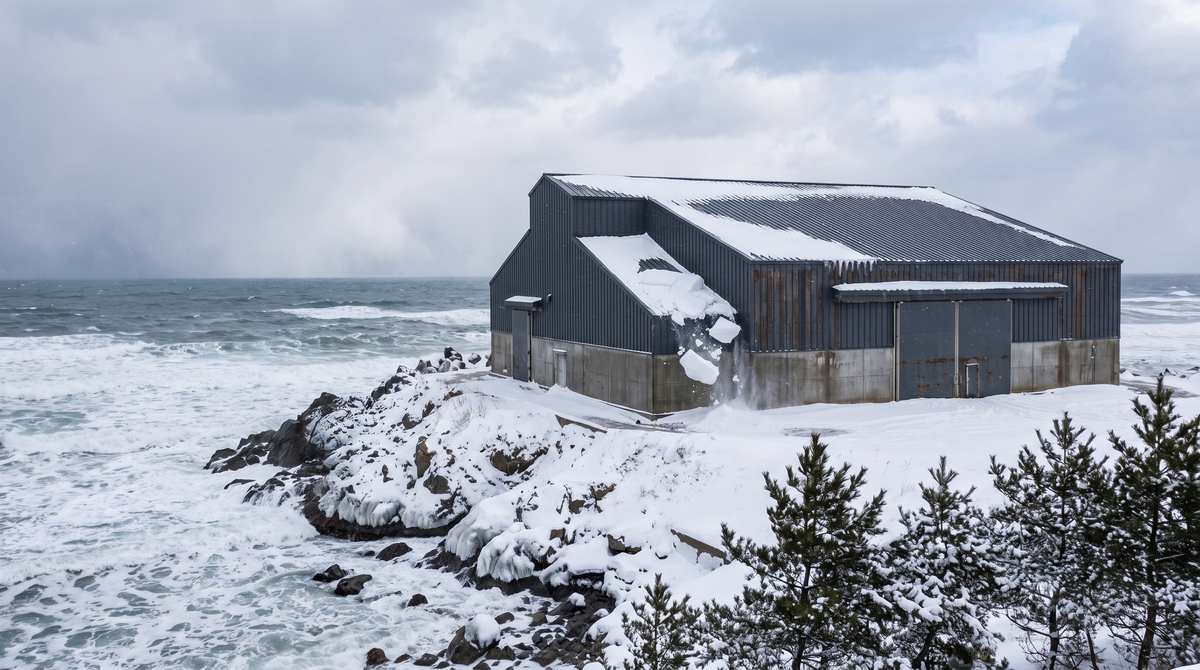
The New Year’s Day 2024 Noto Peninsula Earthquake (Mw 7.6) across Ishikawa Prefecture delivered a sobering lesson in devastating cascading natural disasters. Industrial facilities throughout the coastal strip faced destructive peak ground acceleration, extensive foundation liquefaction, and massive structural fires, followed immediately by sub-zero coastal snowstorms dropping incredibly heavy “Sea of Japan” snow loads.
In these coastal zones, traditional building enclosures failed catastrophically—collapsing under their own structural mass, or failing entirely to halt the rapid spread of post-earthquake fires. Rebuilding cold chains, marine processing warehouses, and precision manufacturing workshops in Japan demands an engineered envelope purpose-built for simultaneous seismic ductility, total fire prevention, and extreme heavy snow load capacity.
Operating out of specialized supply hubs, we export meticulously engineered structural steel kits that strictly align with Japan’s rigorous Building Standard Law (BSL). Our structural framing uses premium high-ductility SN490B and Q345B steel grades, characterized by ultra-tight yield-ratio controls that guarantee substantial plastic deformation capacity before structural rupture. Rigid portal frames, supported by heavy-duty diagonal X-bracing with high-tension turnbuckles, dissipate seismic energy highly efficiently, safeguarding the structure even as underlying alluvial coastal soils liquefy.
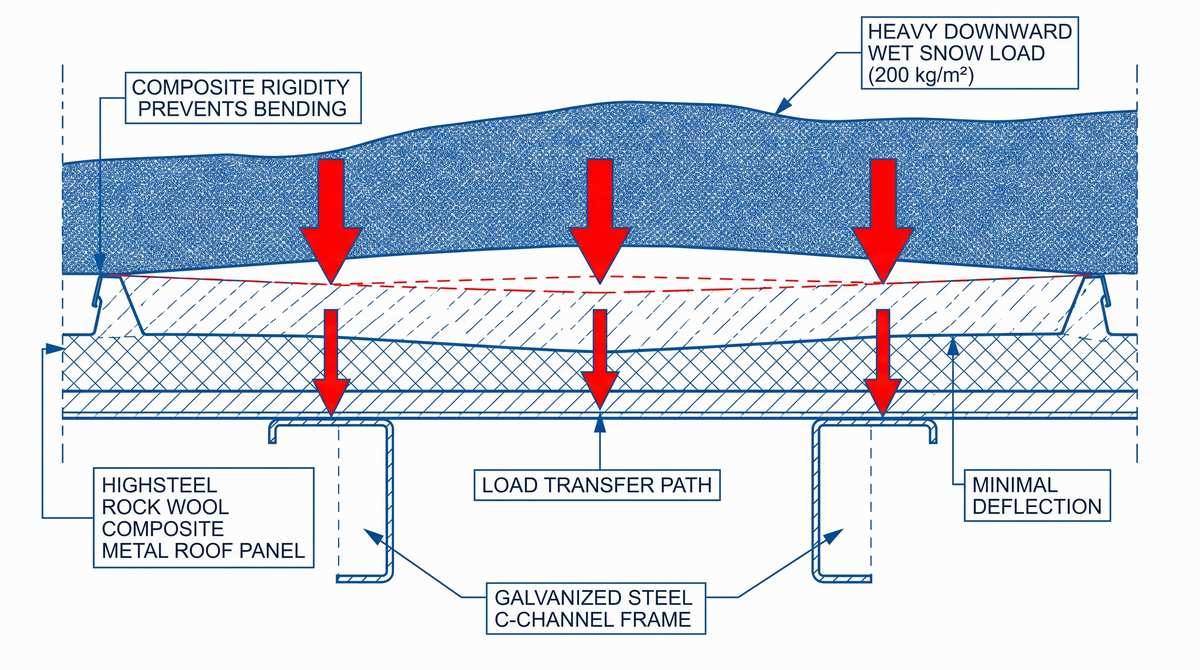
To address the severe dual threats of heavy winter snow loads and deadly post-earthquake fires, we mandate a transition away from traditional single-sheet metal roofs in favor of heavy-duty Rock Wool Composite Metal Sandwich Panels.
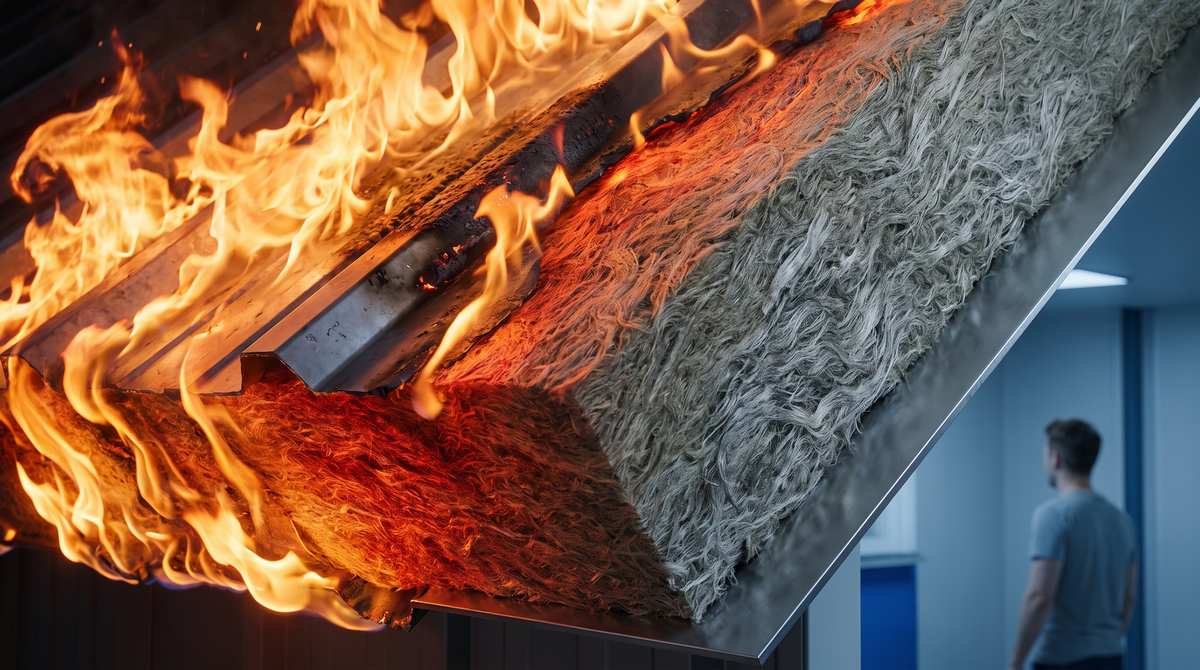
Rock Wool is a completely non-combustible, inorganic basalt-based fiber. When injected and integrated into a highly dense sandwich panel encased in thick galvanized steel skins, it achieves an absolute A-class fire rating. If a post-earthquake fire breaks out in an adjacent timber structure, the Rock Wool composite roof and wall panels act as an impenetrable firestop, totally isolating your facility and protecting incredibly valuable internal assets.
Furthermore, Japanese coastal winter snow is notoriously wet and heavy, often accumulating downward loads easily exceeding 250 kg/m². The robust composite structural profile of the Rock Wool panel distributes this immense downward snow pressure evenly across the heavy-gauge steel purlins without buckling or tearing. By utilizing these advanced composite paneling systems, Japanese B2B logistics and manufacturing centers secure a lightweight, highly insulated, and completely fireproof industrial enclosure perfectly adapted to survive the Ring of Fire’s harshest winter environments.