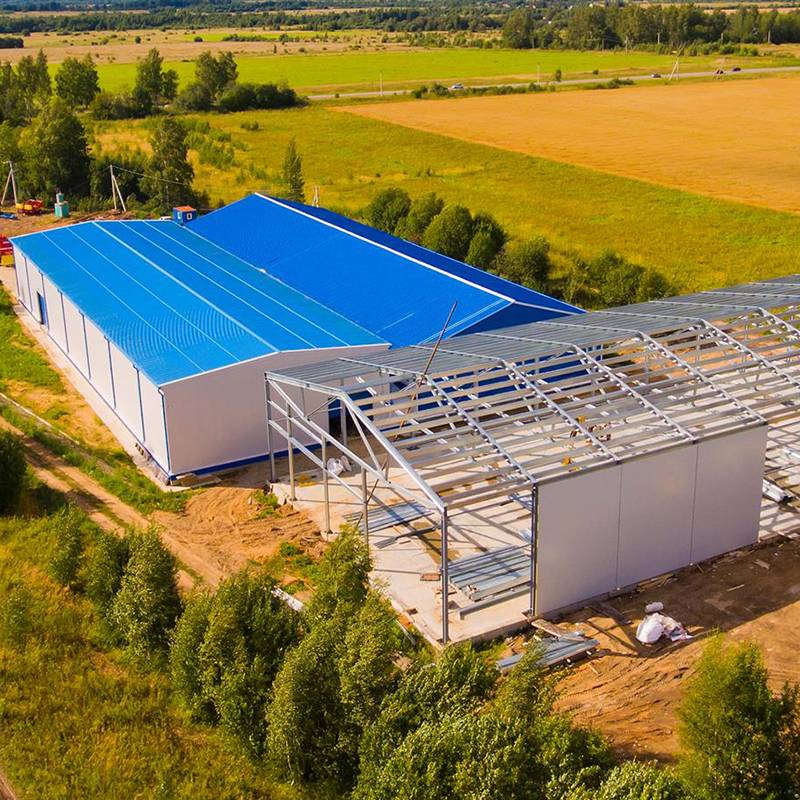
Structural Steel Construction for Chemical Industry
Product Detail
Fast specification support for this product
Structural steel construction is essential for the chemical industry. It provides strong, durable, and safe infrastructure for chemical plants, ensuring efficient operations and environmental protection.
CategoryPortal Frame Steel Structure Buildings / Product / Steel Structure SystemsResponse24h online serviceExport80+ countries and regions
Flange straightening machine is a specialized equipment used for straightening flanges, which are the protruding edges or rims on an object. This machine applies pressure and force to deform the flange and reshape it into a straight and even form. It is commonly used in industries such as metalworking, construction, and manufacturing, where precise alignment and flatness of flanges are essential for proper functioning and structural integrity. The flange straightening machine helps ensure that flanges meet the required specifications, improving the overall quality and performance of the finished products.
3:Steel Sreucture Members Storage
Steel structure members storage refers to the process of storing and managing various components and parts used in steel structures. It involves organizing and categorizing items such as beams, columns, plates, angles, and other structural elements in a designated storage area. Proper storage techniques ensure that the steel members are protected from damage, corrosion, and distortion, preserving their quality and structural integrity. This includes using appropriate storage racks, shelves, or pallets to support the components and keeping them in a clean and dry environment. Effective storage practices streamline construction processes, improve inventory management, and facilitate easy access and retrieval of steel structure members when needed.
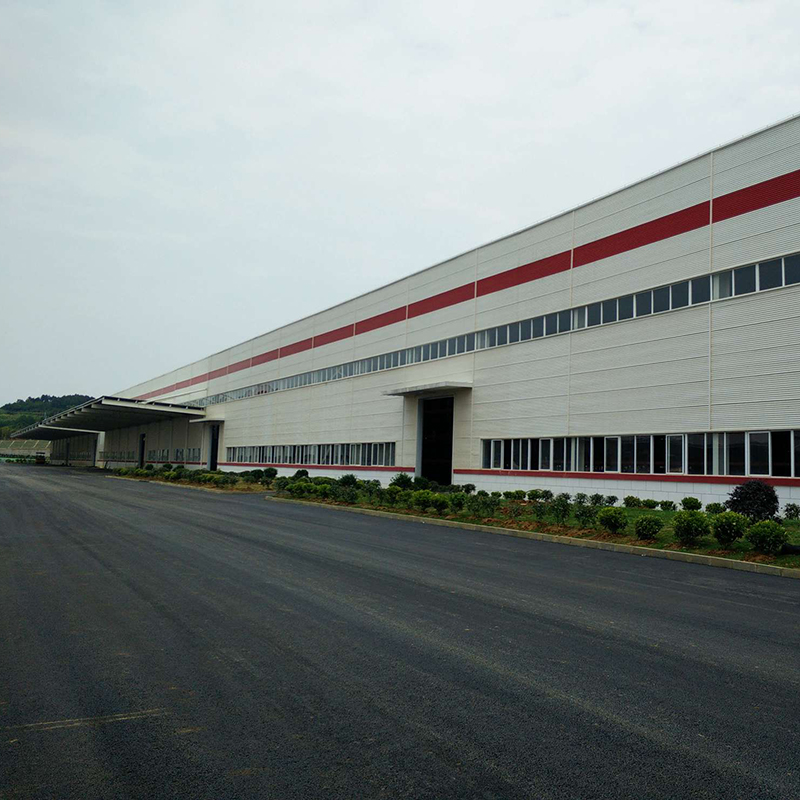
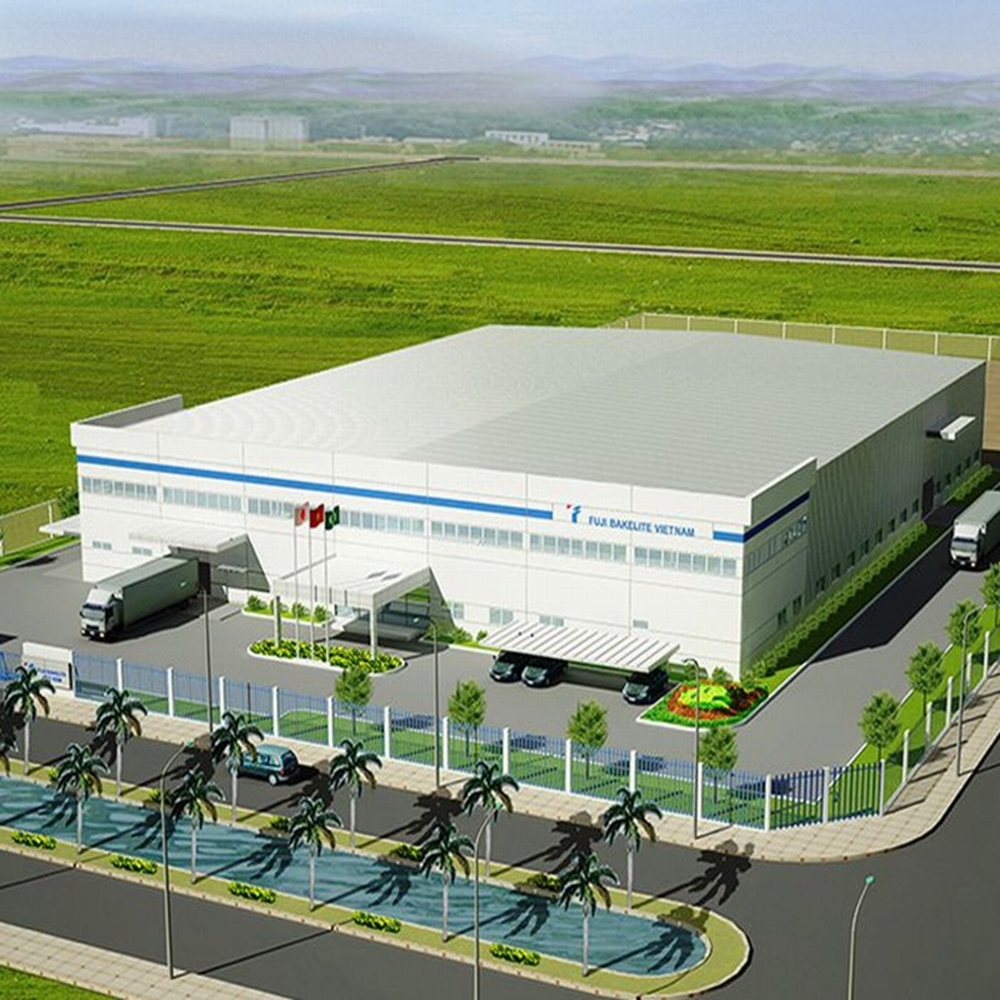
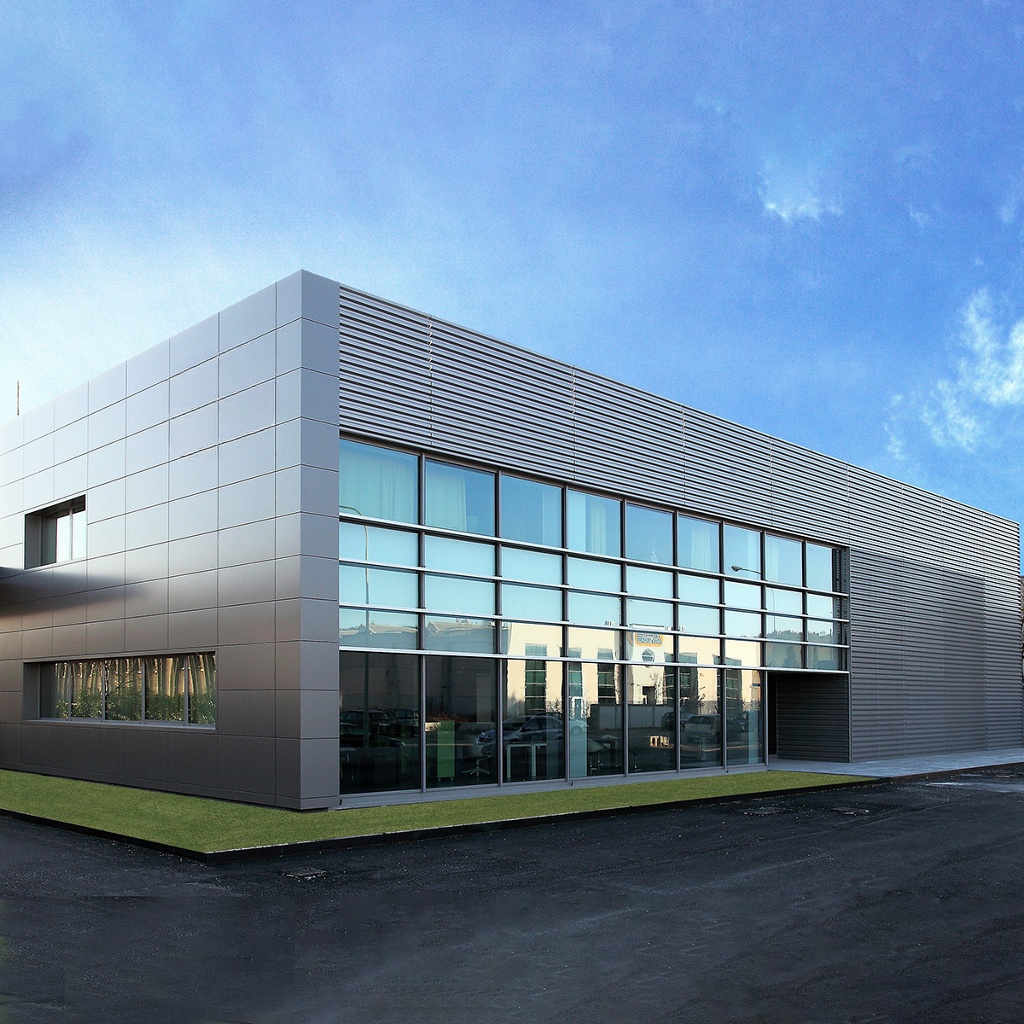
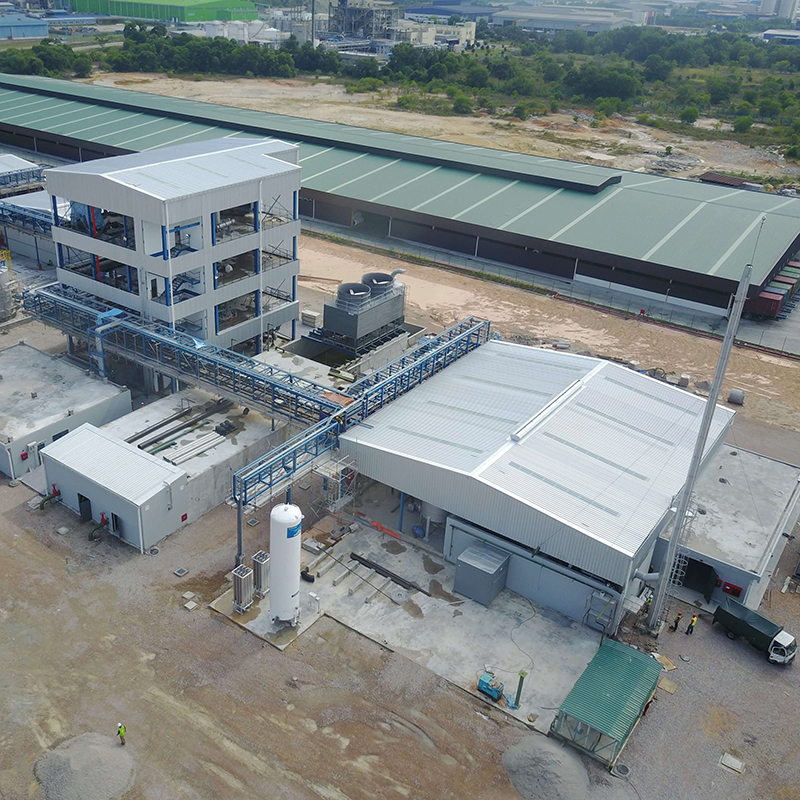
4:Structural Steel Construction for Chemical Industry Project Case
Structural steel construction offers several advantages for the chemical industry. Firstly, steel structures provide exceptional strength and durability, capable of withstanding harsh operating conditions, such as exposure to corrosive chemicals and high temperatures. Secondly, steel’s versatility allows for flexible and efficient design, enabling the construction of complex structures and customized solutions to meet specific requirements. Additionally, steel is a sustainable material, as it is recyclable and reduces waste during construction. It also offers faster construction times, minimizing downtime and allowing for quicker project completion. Overall, structural steel construction in the chemical industry ensures long-lasting, safe, and cost-effective infrastructure.
Frequently Asked Questions & Ordering Guide
What panel thicknesses, core densities and maximum container lengths are available for Structural Steel Construction for Chemical Industry?
Panels are manufactured in 50 mm, 75 mm, 100 mm, 120 mm, 150 mm and 200 mm thicknesses, with custom cut-to-length production up to 11.8 meters to fit standard 40HQ shipping containers.
How do I choose between Rock Wool, PIR/PU and EPS cores for my project?
Rock wool core (100–150 kg/m³, EN 13501-1 Class A1 / A2-s1,d0 non-combustible) is recommended for fire-rated walls and acoustic partitions; PIR/PU core (λ ≤ 0.022 W/m·K) is optimal for cold storage (-25°C to -40°C) and high-efficiency envelopes; EPS offers economical insulation for general modular buildings.
Does HIHSTEEL supply matching flashings, trims, fasteners and sealants?
Yes. We supply complete building envelope packages including color-matched corner trims, ridge caps, drip flashings, cam-lock or concealed self-drilling fasteners, EPDM gaskets and thermal-break accessories.
How are insulated sandwich panels protected against scratch and dent damage during ocean transit?
Every panel surface is covered with UV-stable PE protective film, stacked on reinforced pallets with foam corner guards and shrink-wrapped bundles, and loaded into 40HQ containers with full container-loading photo records.