Metal Cladding Systems / Product / Sandwich Roof Panels
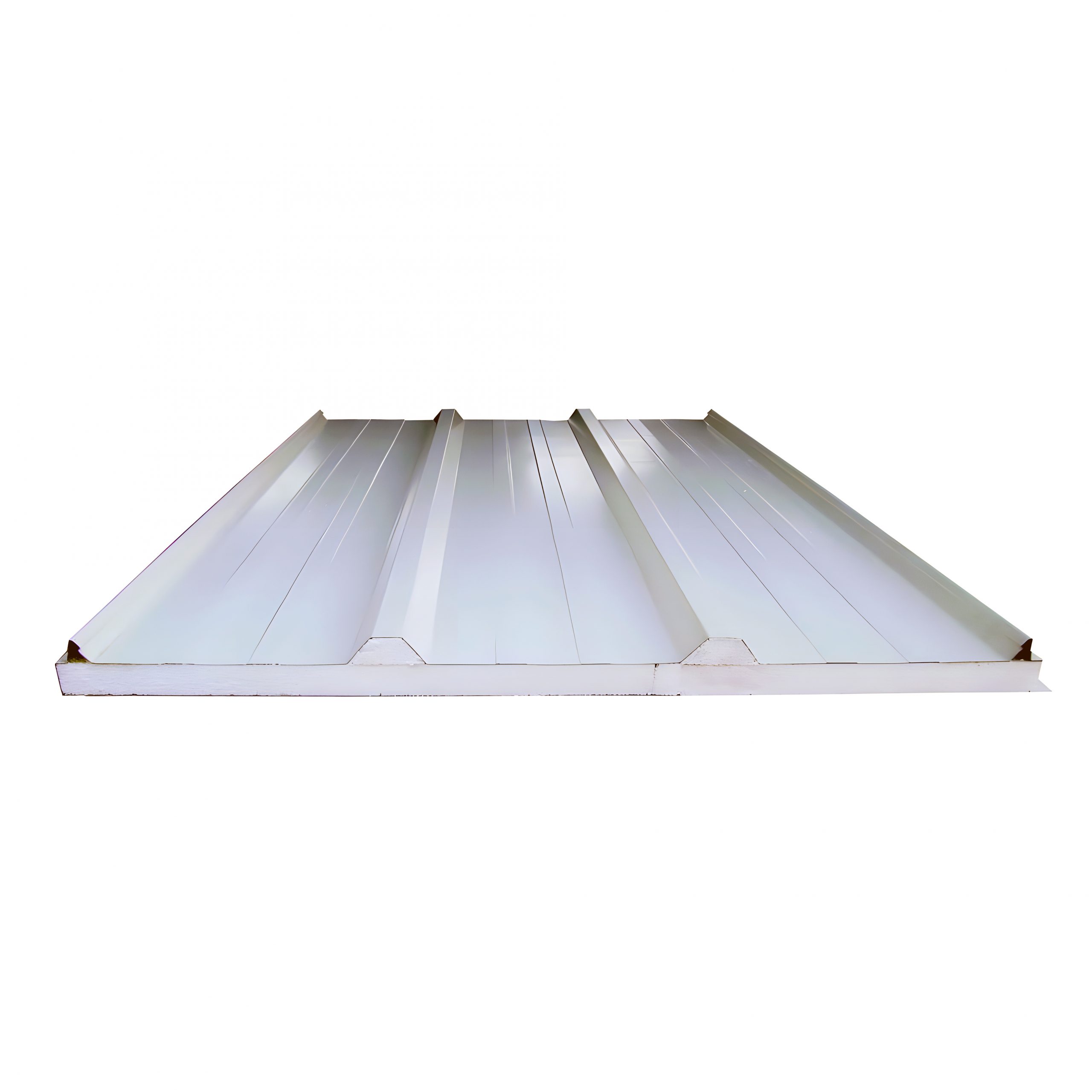
EPS Sandwich Panels for Roof Systems
Product Detail
Fast specification support for this product
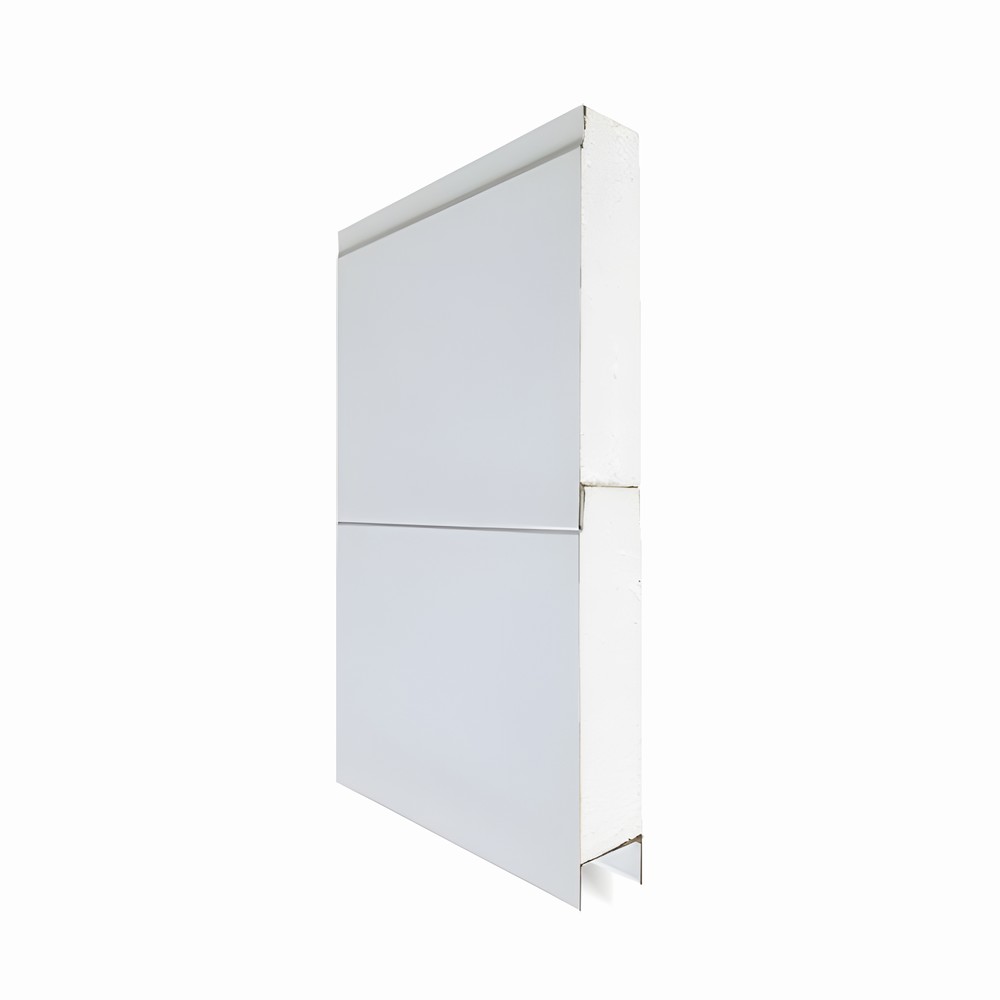
EPS sandwich panels for roof systems provide excellent thermal insulation and structural support. They are lightweight, easy to install, and offer energy efficiency. Suitable for various applications, they ensure a durable and leak-free roof.
CategoryMetal Cladding Systems / Product / Sandwich Roof PanelsResponse24h online serviceExport80+ countries and regions
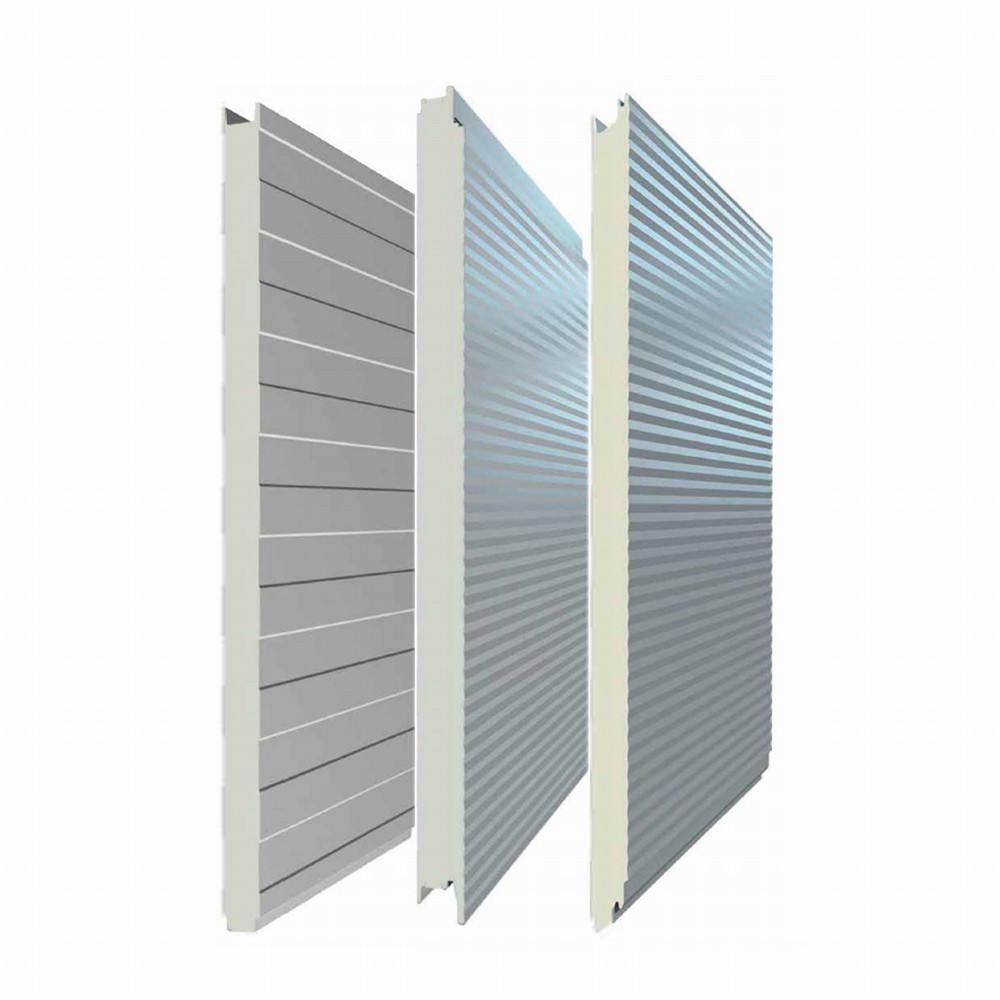
Expanded Polystyrene (EPS) foam boards, also known as EPS polystyrene plates, are primarily made from polystyrene beads. They are lightweight, have low thermal conductivity, and provide excellent insulation properties, making them widely used in external wall insulation systems. They are used as insulation layers for building walls and roofs, composite insulation panels, insulation materials for refrigeration equipment in vehicles, ships, and cold storage warehouses, and for various decorative and sculptural models. With low thermal conductivity, high heat storage capacity, and superior insulation performance, EPS foam boards are lightweight, waterproof, moisture-resistant, corrosion-resistant, and offer easy installation and low labor costs.
3:EPS Sandwich Roof Panels Production Process
The production of EPS sandwich steel panels involves several steps. First, the steel sheets are prepared and coated with anti-corrosion materials. Then, the EPS foam core is cut and shaped according to the required dimensions. The foam cores are then bonded to the steel sheets using adhesive or through a mechanical interlocking system. The panels are pressed together to ensure a secure bond. After that, the panels undergo a curing process to strengthen the bond and enhance the overall structural integrity. Finally, the panels are trimmed and finished to achieve the desired appearance. This production process ensures the creation of high-quality EPS sandwich steel panels for various construction and insulation applications.
4:EPS Sandwich Roof Panels Installation Site
EPS sandwich roof panels are installed at various construction sites to provide excellent thermal insulation and weather protection for roofs. The installation process begins with the preparation of the roof structure, ensuring a stable and level surface. The panels are then placed and secured onto the roof using appropriate fasteners, ensuring a tight and seamless fit between panels. Proper sealing and flashing techniques are employed to prevent water penetration and ensure a watertight installation. The lightweight nature of EPS panels makes the installation process relatively easy and efficient, reducing labor and construction time. Overall, EPS sandwich roof panels offer a cost-effective and energy-efficient solution for roofing applications.
5:Common Q/As of EPS Sandwich Roof Panels
Q: Are EPS sandwich roof panels waterproof? A: Yes, EPS sandwich roof panels are designed with waterproofing features to prevent water penetration and ensure a dry and leak-free roof.
Q: Can EPS sandwich roof panels withstand harsh weather conditions? A: Yes, EPS sandwich roof panels are durable and can withstand extreme weather conditions such as rain, snow, and high winds.
Q: Are EPS sandwich roof panels suitable for both residential and commercial buildings? A: Yes, EPS sandwich roof panels are versatile and can be used in various applications, including residential and commercial buildings.
Q: Can EPS sandwich roof panels help with energy efficiency? A: Absolutely, EPS sandwich roof panels provide excellent thermal insulation, reducing heat transfer and improving energy efficiency.
Q: Are EPS sandwich roof panels environmentally friendly? A: Yes, EPS sandwich roof panels are made from recyclable materials and contribute to reducing energy consumption, making them an eco-friendly choice.
Frequently Asked Questions & Ordering Guide
What panel thicknesses, core densities and maximum container lengths are available for EPS Sandwich Panels for Roof Systems?
Panels are manufactured in 50 mm, 75 mm, 100 mm, 120 mm, 150 mm and 200 mm thicknesses, with custom cut-to-length production up to 11.8 meters to fit standard 40HQ shipping containers.
How do I choose between Rock Wool, PIR/PU and EPS cores for my project?
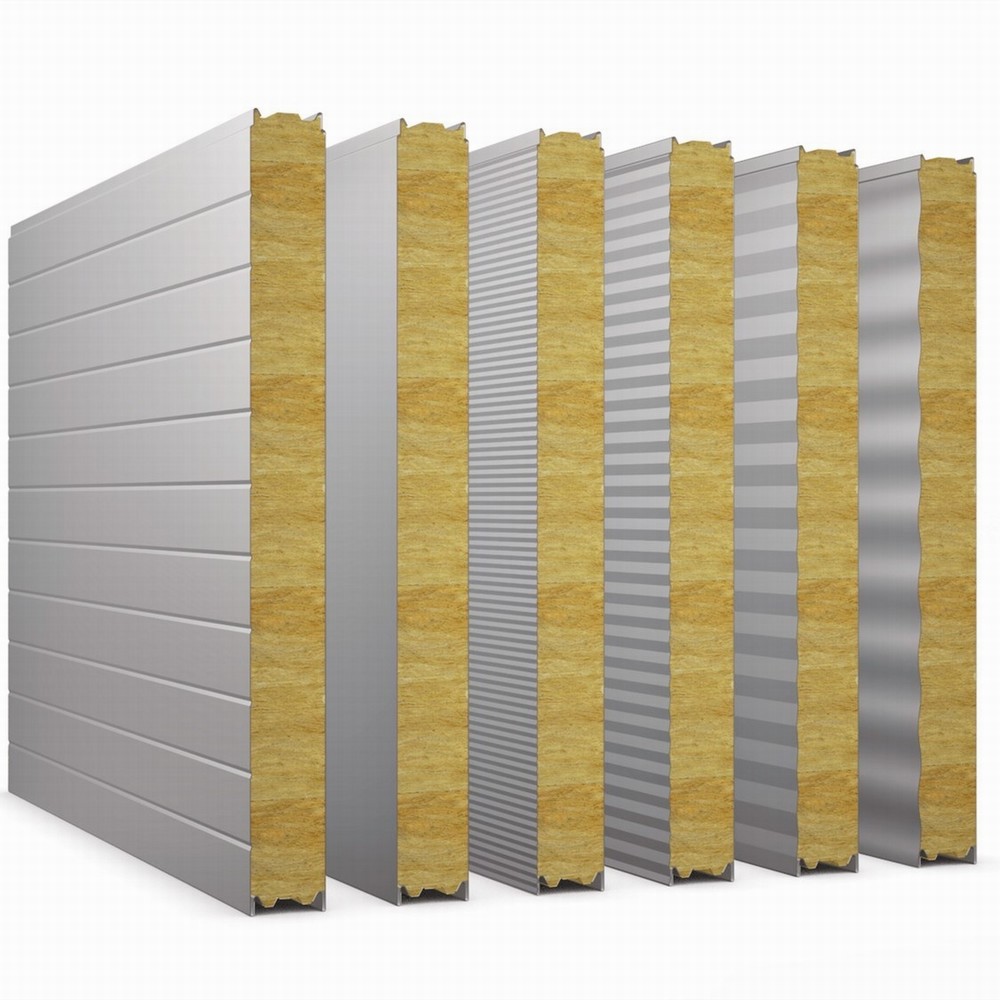
Rock wool core (100–150 kg/m³, EN 13501-1 Class A1 / A2-s1,d0 non-combustible) is recommended for fire-rated walls and acoustic partitions; PIR/PU core (λ ≤ 0.022 W/m·K) is optimal for cold storage (-25°C to -40°C) and high-efficiency envelopes; EPS offers economical insulation for general modular buildings.
Does HIHSTEEL supply matching flashings, trims, fasteners and sealants?
Yes. We supply complete building envelope packages including color-matched corner trims, ridge caps, drip flashings, cam-lock or concealed self-drilling fasteners, EPDM gaskets and thermal-break accessories.
How are insulated sandwich panels protected against scratch and dent damage during ocean transit?
Every panel surface is covered with UV-stable PE protective film, stacked on reinforced pallets with foam corner guards and shrink-wrapped bundles, and loaded into 40HQ containers with full container-loading photo records.