Multi Storey Steel Buildings / Product / Steel Structure Systems
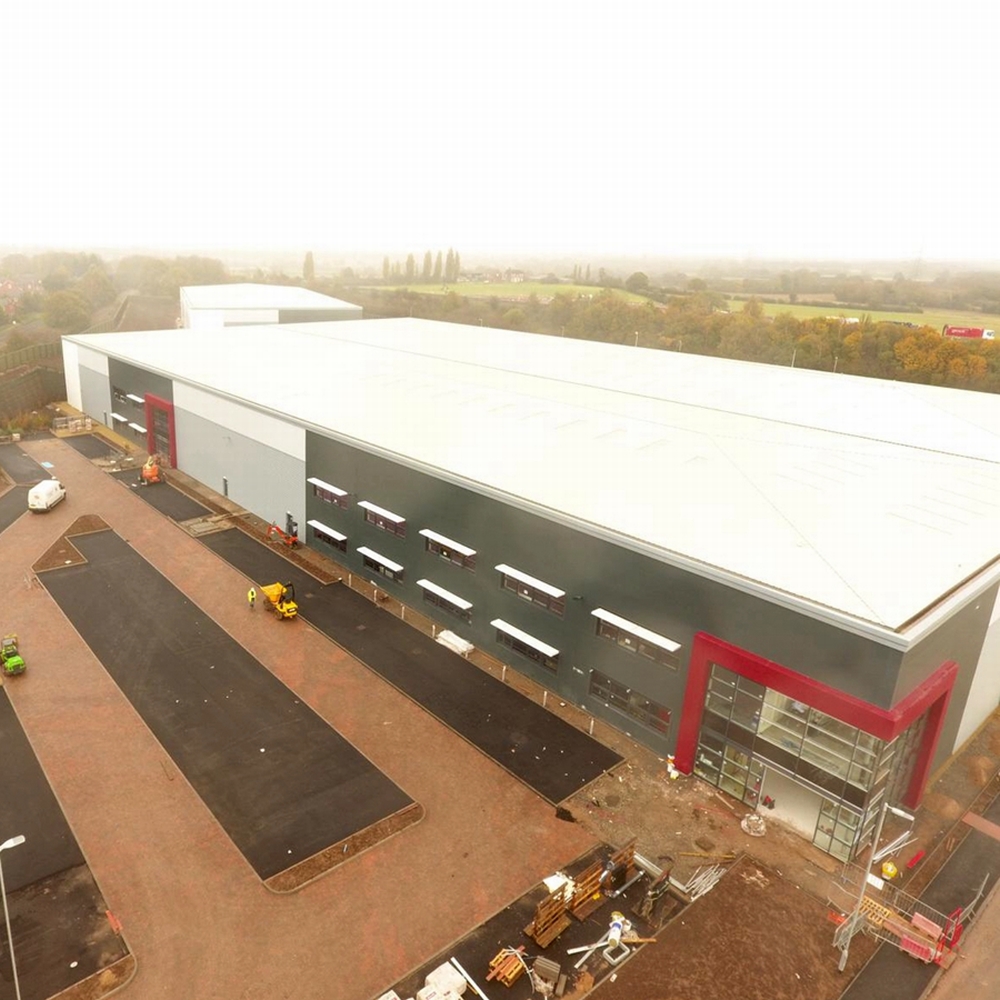
Customized Steel Structure School Buildings
Product Detail
Fast specification support for this product
Highly customizable and easy-to-install steel structure school buildings. Tailored to meet specific requirements, these buildings offer efficient space utilization and quick construction. Perfect for educational institutions seeking durable, flexible, and cost-effective solutions.
CategoryMulti Storey Steel Buildings / Product / Steel Structure SystemsResponse24h online serviceExport80+ countries and regions
Suitable for shipping packaging,pallets, 40HQ, 40GP, according to your requirements.
Accessories
All screws,sealant,glue
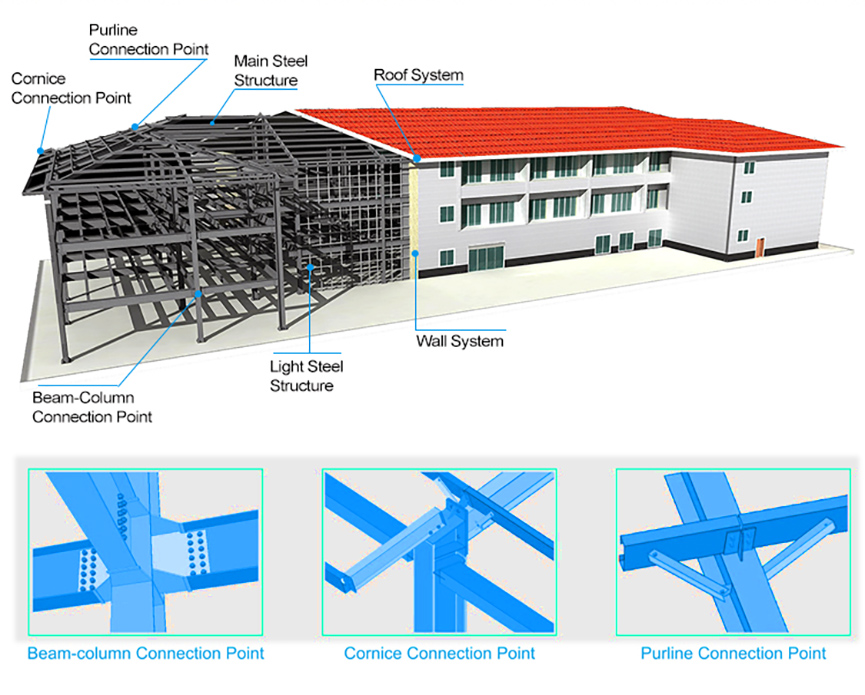
2:Differences In The Form Of The Building Structure:
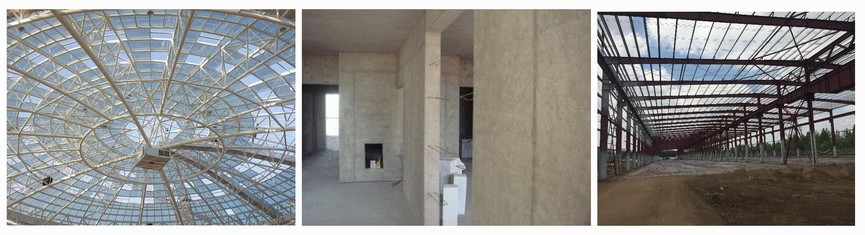
Public buildings are often characterized by large-span pipe truss structures, which provide wide open spaces and efficient load-bearing capabilities. These structures are commonly used in stadiums, exhibition halls, and airports, where the need for unobstructed spaces is essential. Residential buildings, on the other hand, typically adopt concrete shear wall structures. This design offers excellent lateral stability and seismic resistance, making it suitable for high-rise apartments and condominiums. Industrial facilities, such as factories, warehouses, and workshops, employ lightweight or heavy-duty portal frame systems or multi-story steel frame systems. These structures provide flexibility, cost-effectiveness, and efficient use of space, catering to the specific needs of industrial operations. Overall, the choice of building structure depends on the intended use, architectural requirements, and structural considerations, ensuring safety, functionality, and aesthetic appeal.
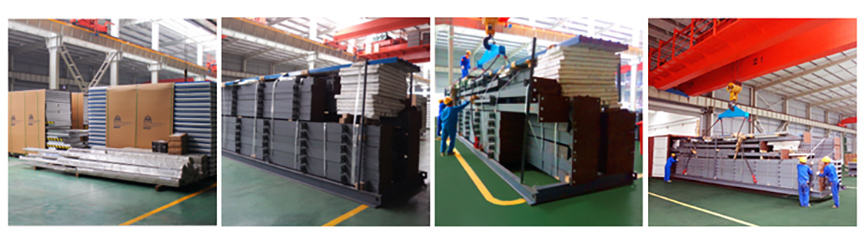
Steel structure packing and loading is a crucial step in the construction process. Proper packaging ensures the protection of steel components during transportation, preventing damage and ensuring their integrity upon arrival at the construction site. Different methods are employed based on the size and shape of the components, including bundling, wrapping, or using crates or pallets. Careful labeling and documentation are also essential for efficient unloading and identification of components during the construction phase. By employing effective packing and loading practices, the steel structure materials are safeguarded and ready for installation, contributing to the smooth progress of the construction project.
4:High Quality Processing Determined by Several Factors
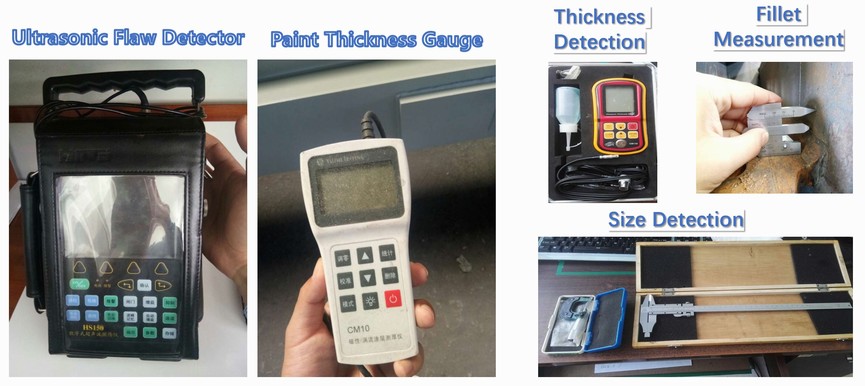
High-quality processing factory is determined by several factors, including the provision of well-equipped inspection equipment and trained personnel. Some essential inspection equipment includes the ultrasonic flaw detector, paint thickness gauge, thickness detection tools, fillet measurement devices, and size detection instruments. These tools enable the factory to conduct thorough inspections and ensure the quality of the processed products. The ultrasonic flaw detector helps detect any internal flaws or defects in the materials, while the paint thickness gauge ensures the accurate measurement of paint thickness. Thickness detection tools ensure the precise measurement of material thickness, while fillet measurement devices assess the smoothness and accuracy of welds. Size detection instruments verify the dimensions of the finished products, ensuring they meet the required specifications.
5:Multi-Story Steel Structure School Buildings Project Cases
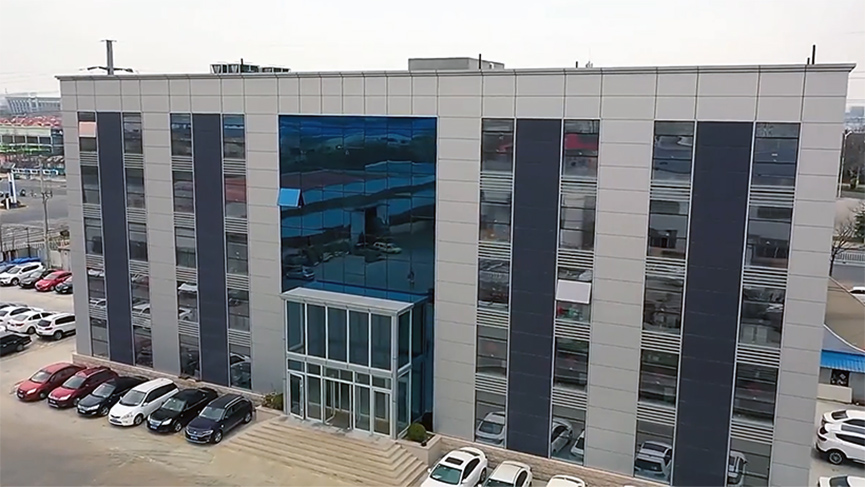
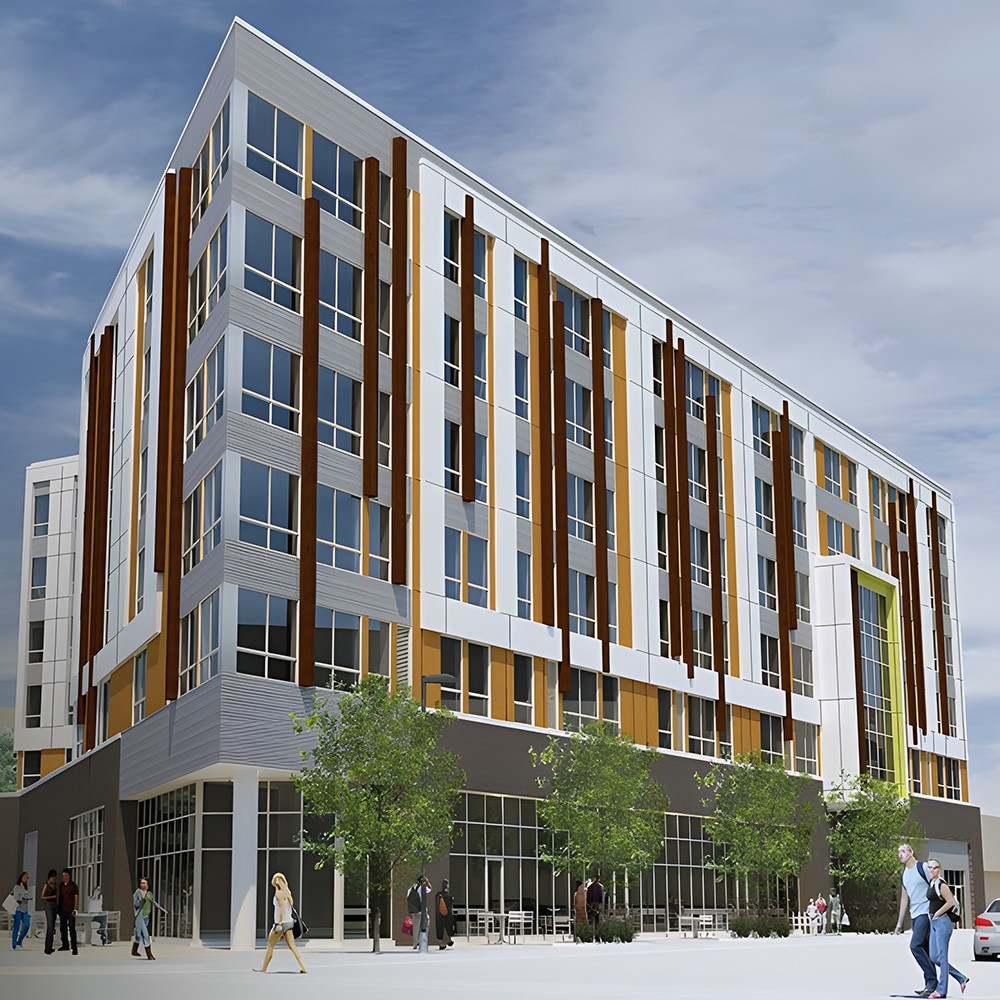
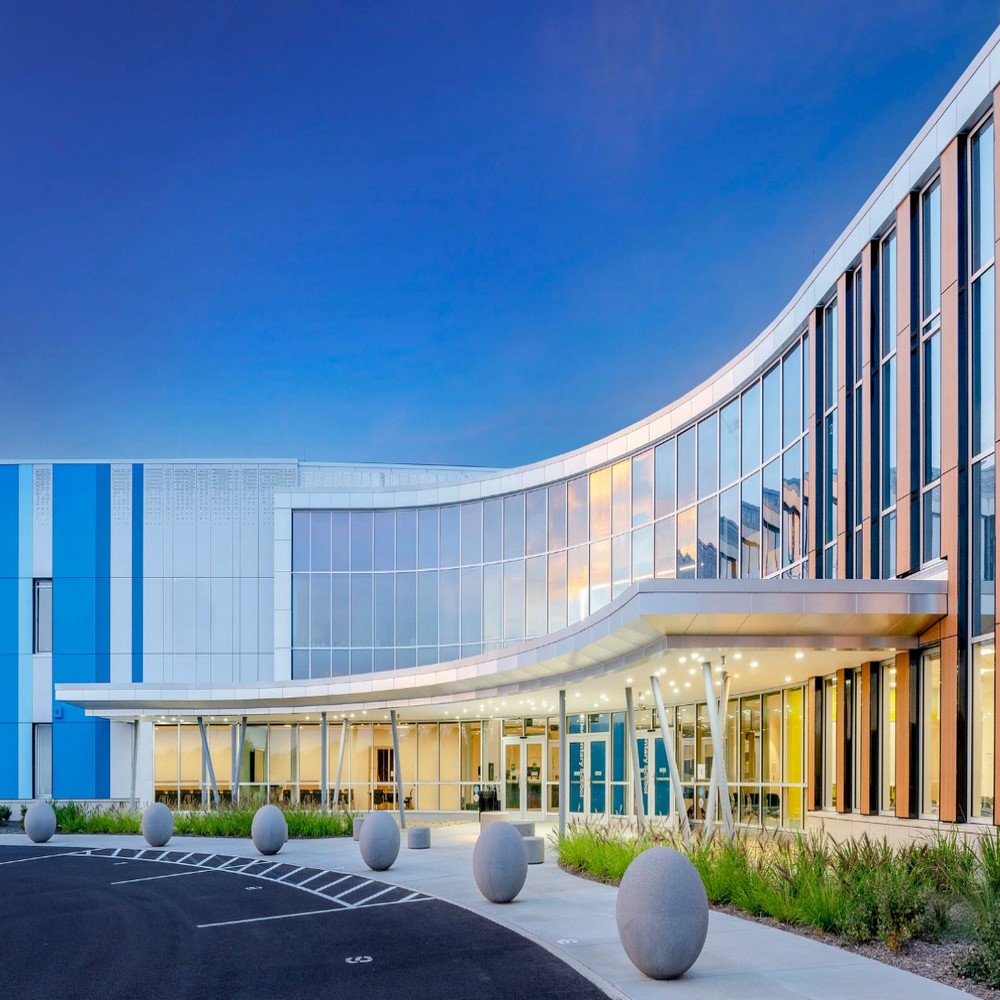
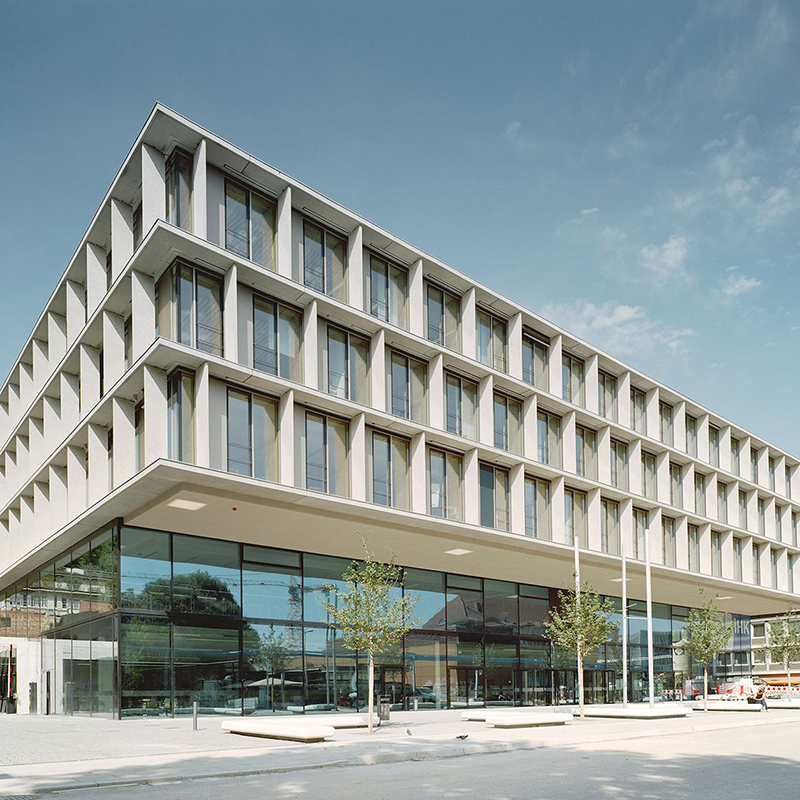
Multi-story steel structure school buildings have become popular choices for educational projects. These buildings offer versatile design options, efficient use of space, and durability. With a strong and stable framework, they can accommodate classrooms, laboratories, libraries, and other facilities required for a modern educational environment. The steel structure allows for quick and cost-effective construction, ensuring timely completion of projects. From primary schools to universities, multi-story steel structure school buildings have been successfully implemented worldwide, providing safe and functional spaces for learning.